

Why Animated Movie Merch Is So Popular in 2026
TL;DR:
- Animated movie merchandise reflects fans’ identity, driven by emotional bonds and practical products integrated into daily life. Scarcity marketing and social media amplify demand, with apparel and home items dominating sales over collectibles. This trend indicates a future focus on subtle, lifestyle-oriented merchandise for adult fans, emphasizing quality and utility.
Animated movie merchandise is popular because it transforms beloved characters into tangible, everyday products that fans carry into their real lives. This is the industry term: licensed merchandise, and it covers everything from apparel and mugs to home goods and collectibles. The reasons for movie merch popularity go far deeper than nostalgia. Emotional attachment, repeat family viewings, and a calculated shift toward practical products have turned animated films and merchandise into a $97.4 million monthly market on Amazon alone. Understanding what drives that demand tells you exactly why fans keep buying, and why brands keep producing.
Why is animated movie merch so popular with fans?
Animated movie merchandise is popular because it gives fans a physical way to express who they are. 64% of fans connect their fandoms directly to their personal identity. That number explains why a character on a hoodie is not just decoration. It is a statement.

Fandom identity works differently from general brand loyalty. Fans do not just like a film. They see themselves in the characters, the world, and the story. Merchandise becomes the bridge between the screen and real life. When you wear a shirt featuring a character you grew up with, you signal your values, your humor, and your community to everyone around you.
Repeat family viewings deepen this bond in a way that adult films simply cannot replicate. Kids watching characters repeatedly build ongoing relationships with those characters over months and years. That sustained emotional connection creates sustained demand. A child who watches the same film thirty times does not just want a toy once. They want the character on their backpack, their water bottle, and their bedroom wall.
Social media amplifies the effect. 84% of fans participate in social media discussions about their favorite IP. Those conversations drive purchase decisions and spread awareness of new merchandise drops across communities faster than any traditional ad campaign.
Pro Tip: If you want to understand a fandom’s merchandise appetite, look at how long the film has been in rotation on streaming platforms. Longer availability equals deeper character attachment equals stronger merch demand.
Why do practical everyday items outsell traditional toys and collectibles?
The biggest misconception in animated movie merchandise is that toys drive revenue. The data says the opposite. 71% of best-selling movie merch falls into practical everyday categories like apparel, baby items, and home products. Collectibles and toys trail behind.
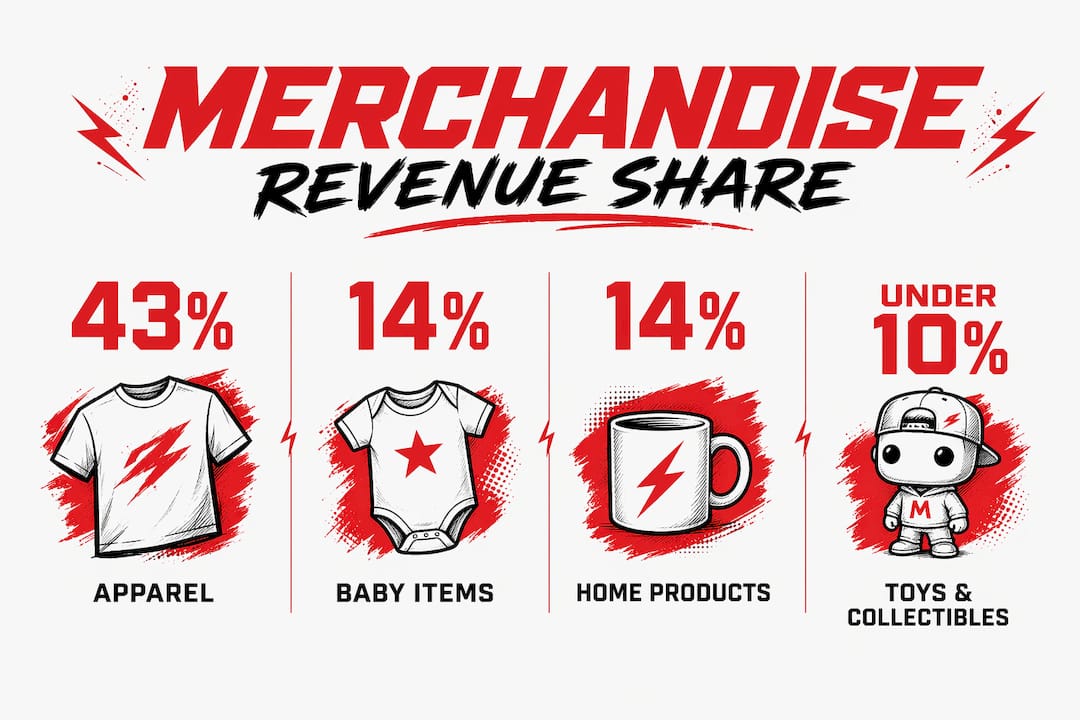
The reason is simple: practical items integrate into daily life. A mug gets used every morning. A hoodie gets worn every week. A collectible sits on a shelf. Fans who want to keep their favorite characters present in their lives choose products that show up in their routines, not just their display cases.
Economic conditions reinforce this shift. When budgets tighten, fans prioritize purchases that serve double duty. A movie-themed coffee mug is both a fandom item and a functional kitchen staple. That dual value makes it an easier purchase to justify. Retailers who stock family-friendly merchandise alongside apparel and home goods consistently see stronger sell-through than those focused on collectibles alone.
| Merchandise category | Share of top-selling revenue |
|---|---|
| Apparel | 43% |
| Baby items | 14% |
| Home products | 14% |
| Toys and collectibles | Below 14% each |
The top five family films alone accounted for 86% of $83.8 million in merchandise revenue. That concentration shows how animated franchises with deep fan bases dominate the market. Adult-oriented films like Project Hail Mary generated $531,000 in merchandise sales. Family animated titles generated millions. The audience type determines the merchandise ceiling.
Pro Tip: When shopping for animated merch, prioritize items you will actually use daily. A character mug or graphic tee gives you more value per dollar than a display piece that collects dust.
How does strategic marketing make animated movie merch more desirable?
Brands treat merchandise releases as choreographed marketing events, not afterthoughts. Pre-release limited drops, scarcity signals, and timed reveals build anticipation the same way music labels build hype around album launches. The merchandise becomes part of the cultural conversation before the film even opens.
This strategy works because scarcity creates perceived value. When a limited edition item sells out in hours, it signals to the broader fan community that this franchise matters. Fans who missed the drop feel urgency around the next one. Brands use this cycle deliberately to maintain momentum across a film’s entire release window.
Merchandise also extends storytelling beyond the theater. Brands use products to turn blockbuster films into cultural catalysts, keeping characters and narratives alive in fans’ homes long after the credits roll. A character on your kitchen shelf keeps the story present in your daily life. That sustained presence drives repeat purchases and long-term franchise loyalty.
The social media integration piece is where modern merchandising separates itself from older models:
- Pre-release drops generate unboxing content and fan reactions that spread organically across platforms.
- Limited editions create urgency and FOMO that push fans to act quickly rather than wait.
- Fan-created content featuring merchandise acts as free advertising with authentic credibility.
- Community challenges around merchandise styling or display build shared identity among fans.
Retailers who understand these dynamics, including those using wholesale sales strategies tied to release calendars, capture demand at peak enthusiasm rather than chasing it after it fades.
How do cosplay trends shape animated movie merchandise designs?
The line between casual fan and cosplayer has blurred significantly. Fans now prefer merchandise that enables “method dressing,” meaning subtle, wearable designs that let them embody a character in daily life without wearing a full costume. This shift has reshaped what merchandise designers produce.
Overt branding with giant logos and character faces is losing ground to understated designs. A shirt with a character’s signature color palette and a small icon reads as fashion to outsiders but signals deep fandom to those in the know. That dual readability is exactly what fans want. They get to express identity without explaining themselves.
This trend connects directly to the animated movie collectibles market, where the most desirable items now blend aesthetic quality with fandom meaning. The best merchandise works as both a fashion choice and a community signal.
Community sharing fuels desirability further. When fans post their styled fandom outfits on social platforms, they create aspirational content that drives others to seek out the same pieces. The merchandise becomes a social currency. Owning the right item places you inside a community. That social function is a core reason why fans love animated merch in ways that go beyond simple product satisfaction.
- Subtle graphic designs let fans wear their fandom in professional and casual settings alike.
- Character-inspired colorways communicate fandom without explicit branding.
- Limited community drops reward dedicated fans and create exclusivity within the fandom.
- Wearable everyday items like tees, hoodies, and mugs replace display-only collectibles as the primary merch format.
Key Takeaways
Animated movie merchandise is popular because emotional attachment, practical product design, and strategic scarcity marketing combine to make fan purchases feel both personally meaningful and socially rewarding.
| Point | Details |
|---|---|
| Emotional identity drives purchases | 64% of fans tie fandom to personal identity, making merch a form of self-expression. |
| Practical items dominate sales | Apparel, baby items, and home products account for 71% of best-selling movie merch. |
| Scarcity marketing builds demand | Pre-release limited drops create urgency and sustained fan engagement beyond the theater. |
| Family viewing fuels repeat demand | Repeated character exposure through family films builds lasting emotional bonds that translate to ongoing merch purchases. |
| Subtle designs win in 2026 | Fans prefer wearable, understated merchandise that signals fandom without overt branding. |
What the merch boom tells us about where fandom is heading
The merchandise market for animated films is not driven by nostalgia alone. It is driven by identity, and that distinction matters. Fans are not buying a shirt because they remember a film fondly. They are buying it because the character represents something they believe about themselves.
What I find most telling is the practical items data. When apparel captures 43% of merchandise revenue and toys fall below that threshold, it tells you fans want their fandom woven into their daily routine, not stored in a box. The shift is permanent. Brands that still lead with collectibles as their primary merchandise strategy are reading the market wrong.
The scarcity model borrowed from music and streetwear culture is the most underappreciated driver in this space. Fans who grew up watching limited sneaker drops and album release events now apply the same emotional logic to movie merchandise. A pre-release drop for a major animated franchise generates the same psychological response as a concert ticket sale. Brands that understand this are building merchandise programs that function as full marketing campaigns, not just revenue streams.
My prediction: the next wave of animated movie merch will be even more lifestyle-integrated. Think home goods, kitchen items, and fashion collaborations that carry fandom meaning without screaming it. The fans who drive this market are adults now. They want quality, subtlety, and daily utility. The brands that deliver all three will own the next decade of licensed merchandise.
— Nicholas
Find your animated movie merch at Mclarenteehub
Fans who want merchandise that fits their daily life, not just their display shelf, will find exactly that at Mclarenteehub. The store carries a curated selection of pop culture apparel and gifts built for fans who wear their fandom every day.
Mclarenteehub stocks graphic tees, hoodies, mugs, and more across a wide range of film fandoms. Every piece is designed to work as both a fashion choice and a fan statement. Whether you are looking for a subtle character-inspired tee or a movie-themed mug for your morning coffee, the collection covers the practical, everyday merchandise that the data shows fans actually want. Browse the full selection at Mclarenteehub and find the piece that fits your fandom.
FAQ
Why is animated movie merch more popular than adult film merch?
Animated films generate repeat family viewings that build deep emotional bonds with characters over time. Adult-oriented films like Project Hail Mary generated $531,000 in merchandise sales, while top family animated titles generated millions.
What types of animated movie merchandise sell the best?
Apparel is the top category at 43% of merchandise revenue, followed by baby items and home products at 14% each. Toys and traditional collectibles consistently rank below these practical everyday categories.
How do brands create hype around animated movie merchandise?
Brands use pre-release limited drops and scarcity strategies to build anticipation before a film opens. These choreographed merchandise events mirror music industry album launch tactics and drive urgency among fans.
Is animated movie merch worth buying as a fan?
Practical merchandise like apparel and mugs delivers daily use value alongside fandom expression, making it worth the purchase for most fans. Items that integrate into your routine give you more long-term satisfaction than display-only collectibles.
How does social media influence animated movie merchandise trends?
84% of fans participate in social media discussions about their favorite IP, and those conversations directly shape what merchandise gets noticed and purchased. Fan-created content featuring merchandise acts as organic advertising that spreads faster than traditional campaigns.