

Types of Graphic Tees: The 2026 Style Guide
TL;DR:
- Graphic tees communicate identity and personal expression through various design categories. The current trend favors boxy, heavy-weight cotton fits with vintage and nostalgic graphics that showcase authenticity. Dressing them with tailored pieces elevates casual styles into deliberate fashion statements.
A graphic tee is defined as a printed T-shirt that uses imagery, text, or illustration to communicate identity, cultural affiliation, or personal expression. Unlike plain tees, which compete on fit and fabric alone, graphic tees carry a message. The types of graphic tees available in 2026 span six core design categories, each shaped by distinct print techniques, silhouette choices, and cultural references. Whether you lean toward vintage band shirts, bold streetwear, or niche internet humor, the right graphic tee does more than cover your torso. It tells people exactly who you are.
1. What are the main types of graphic tees?
Graphic tees fall into six recognized design categories: logo, typography, illustration, vintage and distressed, pop culture, and streetwear. Each category serves a different expressive purpose, and understanding them helps you shop with intention rather than impulse.
- Logo tees display a brand mark, symbol, or emblem as the central design. They signal allegiance, whether to a sports team, a music label, or a cultural movement.
- Typography and slogan tees lead with words. The font choice, layout, and message carry the full visual weight. A well-designed slogan tee lands like a billboard.
- Illustration and artistic tees treat the shirt as a canvas. Hand-drawn characters, abstract compositions, and graphic art prints fall here. These tees attract shoppers who value wearable art over brand recognition.
- Vintage and distressed tees use faded colors, cracked ink, and worn fabric to simulate age. The goal is authenticity, not newness.
- Pop culture tees reference films, TV shows, musicians, memes, or internet moments. They create instant recognition between people who share the same cultural touchstones.
- Streetwear tees prioritize bold graphics, oversized fits, and high-contrast prints. This category borrows heavily from skate culture, hip-hop, and Japanese street fashion.
Each category overlaps with the others. A vintage pop culture tee, for example, combines distressed aesthetics with a film or band reference. Knowing the base categories helps you identify what draws you to a specific shirt.
2. How have graphic tee fits and fabrics evolved in 2026?
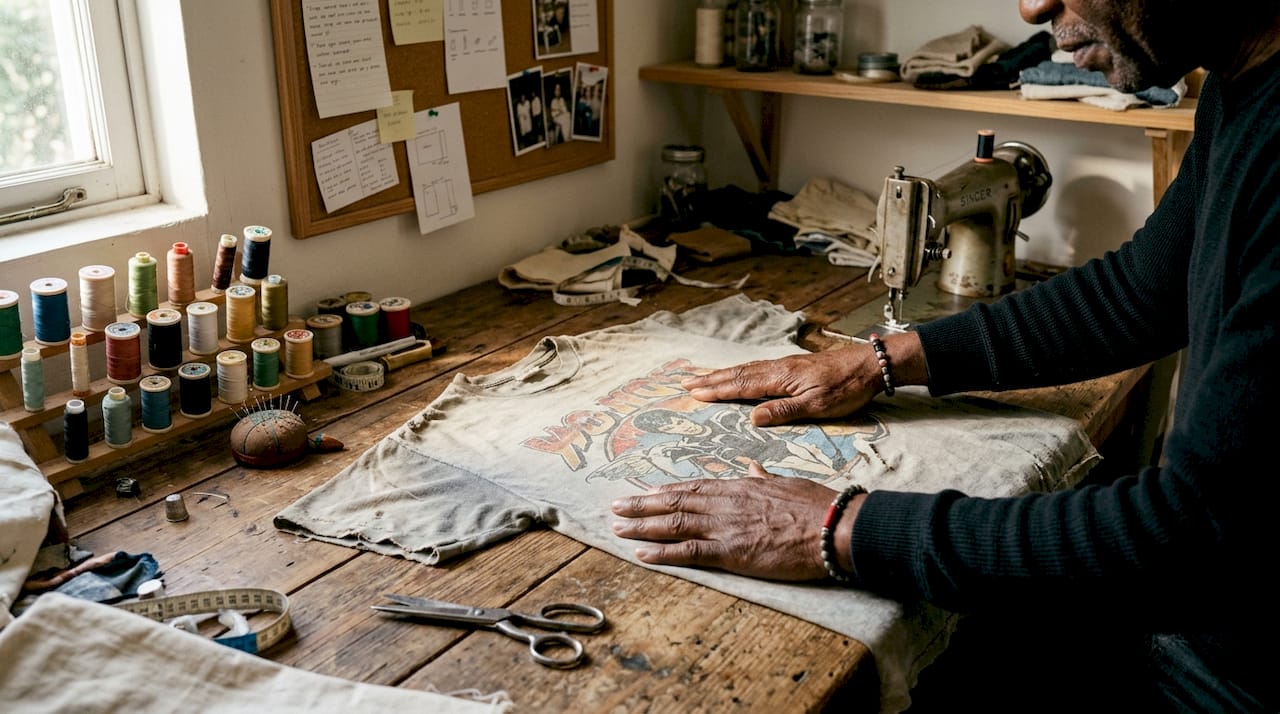
The 2026 dominant silhouette is the boxy, drop-shoulder cut made from heavy-weight cotton. This is a clear departure from the slim-fit styles that dominated the 2010s. The shift matters because the fit directly affects how a graphic reads on the body.
A boxy cut gives large-format prints more surface area to breathe. A slim fit compresses the graphic and can distort the design, especially around the chest and shoulders. Heavy-weight cotton, typically 250–300 grams per square meter, holds its shape after washing and gives prints a more substantial, premium feel.
Distressed and washed fabrics add another layer of visual depth. Cracked-effect prints and washed-out fabric treatments simulate wear and reinforce the vintage, lived-in look that defines authentic graphic tees right now. This is not accidental aging. It is a deliberate design choice.
The boxy, drop-shoulder fit also works across body types, making it one of the most inclusive silhouettes in casual fashion. Comfort and style align here without compromise.
- Choose a boxy or drop-shoulder cut for large graphic prints.
- Select heavy-weight cotton (250 grams per square meter or above) for durability.
- Look for pre-washed or garment-dyed finishes to achieve an authentic vintage feel.
- Avoid stretch fabrics, which distort printed graphics over time.
- Size up one size from your usual fit to get the correct oversized proportion.
Pro Tip: When buying online, check the fabric weight listed in the product details. Anything below 180 grams per square meter will feel thin and will not hold a bold print well after repeated washing.
3. Which graphic tee styles are driven by nostalgia and cultural references?
Nostalgia is the most powerful commercial force in graphic tee culture right now. Authentic vintage and pop culture tees outperform generic graphics in both emotional resonance and commercial loyalty. Shoppers are not just buying a shirt. They are buying a feeling, a memory, or a cultural identity.
Band tees sit at the top of this category. A faded Rolling Stones or Metallica shirt carries decades of cultural weight. The graphic itself is secondary to what it represents. Vintage film shirts work the same way, with prints referencing Jaws, Alien, or Pulp Fiction triggering immediate emotional recognition.
Y2K aesthetics have returned with full force. Early-2000s graphics, including chrome lettering, flame motifs, and pixelated imagery, now appear on tees worn by shoppers who were not even alive when those styles first appeared. That is the power of nostalgia as a design language. It transcends lived experience.
Meme and internet culture tees occupy a newer but equally strong niche. These prints reference specific online moments, subcultures, or humor that only a particular community will recognize. The exclusivity is the point. Wearing a niche meme tee is a signal to other members of the same digital tribe.
“The graphic tee’s comeback is not about trend-chasing. It is about rejecting the algorithm-driven uniformity of fast fashion and choosing something that actually means something to you. The worn-in print, the specific reference, the imperfect fade. These are the details that separate a real graphic tee from a mass-produced placeholder.”
Authenticity markers matter in this category. Wear patterns and cracked prints signal genuine age or deliberate craftsmanship. A perfectly crisp print on a vintage band tee is a red flag. The best pieces in this category look like they have a history.
- Band and artist tees carry cultural authority and age well as collector items.
- Vintage film tees tap into shared cinematic memory and work across generations.
- Y2K graphic tees use early-2000s visual language to signal generational identity.
- Meme and internet culture tees create in-group recognition within specific online communities.
- Retro sports tees reference classic team logos, championship years, or retired athlete imagery.
For a deep look at vintage film tee styling, the heritage and care details make a real difference in how long these pieces hold up.
4. What are best practices for choosing and styling graphic tees in 2026?
The best graphic tee for you is the one that reflects a genuine interest, not a trend you stumbled across. Fashion analysts confirm that the current popularity of graphic tees is driven by authenticity and individuality, not mass-market appeal. Shoppers who buy graphic tees tied to real passions wear them more often and style them better.
Fabric weight and fit are your first filters. A heavy-weight, boxy tee gives you more styling flexibility than a thin, fitted one. You can tuck it, layer it under an open shirt, or wear it alone. A thin tee limits your options.
Statement back prints with minimal front logos are a strong current trend. This placement adds visual impact when you move and keeps the front of the shirt clean for layering. It is a detail worth looking for when shopping.
Styling graphic tees with tailored or luxury pieces creates the most memorable outfits. Pairing graphic tees with high-end separates avoids the generic fast-fashion look and reflects genuine personal style. A vintage band tee tucked into wide-leg trousers with leather loafers is a complete outfit. A graphic tee under a structured blazer works for creative professional settings.
- Prioritize prints tied to real interests. A tee referencing a film you love will always look more intentional than a generic slogan.
- Match graphic scale to fit. Large prints need boxy cuts. Small chest logos work on any silhouette.
- Layer strategically. Open overshirts, denim jackets, and blazers all work over graphic tees without hiding the design.
- Avoid over-matching. Let the graphic tee be the focal point. Keep the rest of the outfit neutral.
- Check print quality before buying. Screen-printed and embroidered graphics outlast heat-transfer prints by years.
Pro Tip: Tuck the front of an oversized graphic tee into high-waisted pants for a half-tuck. This shows the graphic, defines your waist, and keeps the look intentional rather than sloppy.
For outfit inspiration across pop culture tee styles, casual pairings are easier to pull off than most shoppers expect.
Clothing as individual expression is not a new concept, but graphic tees make it more accessible than almost any other garment category. The barrier to entry is low. The expressive ceiling is high.
Key Takeaways
The most effective graphic tee is one that combines authentic design, correct fabric weight, and a fit that suits the scale of the print, because those three factors determine both how the shirt looks and how long it lasts.
| Point | Details |
|---|---|
| Six core design categories | Logo, typography, illustration, vintage, pop culture, and streetwear each serve a distinct expressive purpose. |
| Boxy fits dominate 2026 | Drop-shoulder, heavy-weight cotton cuts display large graphics better and suit more body types. |
| Nostalgia drives premium value | Band tees, vintage film prints, and Y2K graphics command stronger emotional loyalty than generic designs. |
| Authenticity over trend | Cracked prints, washed fabrics, and niche references signal genuine style rather than algorithm-driven fashion. |
| Styling elevates the category | Pairing graphic tees with tailored pieces turns a casual item into a deliberate fashion statement. |
Why graphic tees are the most honest thing in your wardrobe
I have followed fashion trends for a long time, and graphic tees are the one category that consistently cuts through the noise. Every few years, someone declares them dead. Then they come back stronger, and the reason is always the same. They are the most direct form of self-expression a garment can offer.
What I find genuinely interesting about the 2026 resurgence is that it is not driven by a single trend. It is a reaction against uniformity. Shoppers are tired of algorithm-curated wardrobes where everyone ends up in the same neutral tones and minimalist cuts. A graphic tee with a specific film reference or a niche band print is a small act of rebellion. It says something real about who you are.
The mistake most shoppers make is buying graphic tees based on what looks popular rather than what actually connects to their interests. A tee you bought because it was trending will feel hollow in six months. A tee referencing something you genuinely love will feel right every time you wear it. That is the difference between a wardrobe filler and a wardrobe anchor.
My advice is simple. Buy fewer graphic tees, but buy them with more intention. Choose the right fabric weight. Get the fit right. And pick prints that mean something to you, not just prints that photograph well.
— Nicholas
Mclarenteehub has the graphic tees worth wearing
Mclarenteehub curates pop culture graphic tees built around the references that actually matter: cult films, iconic characters, and niche cultural moments that generic retailers ignore. Every design reflects a specific interest, not a trend report.
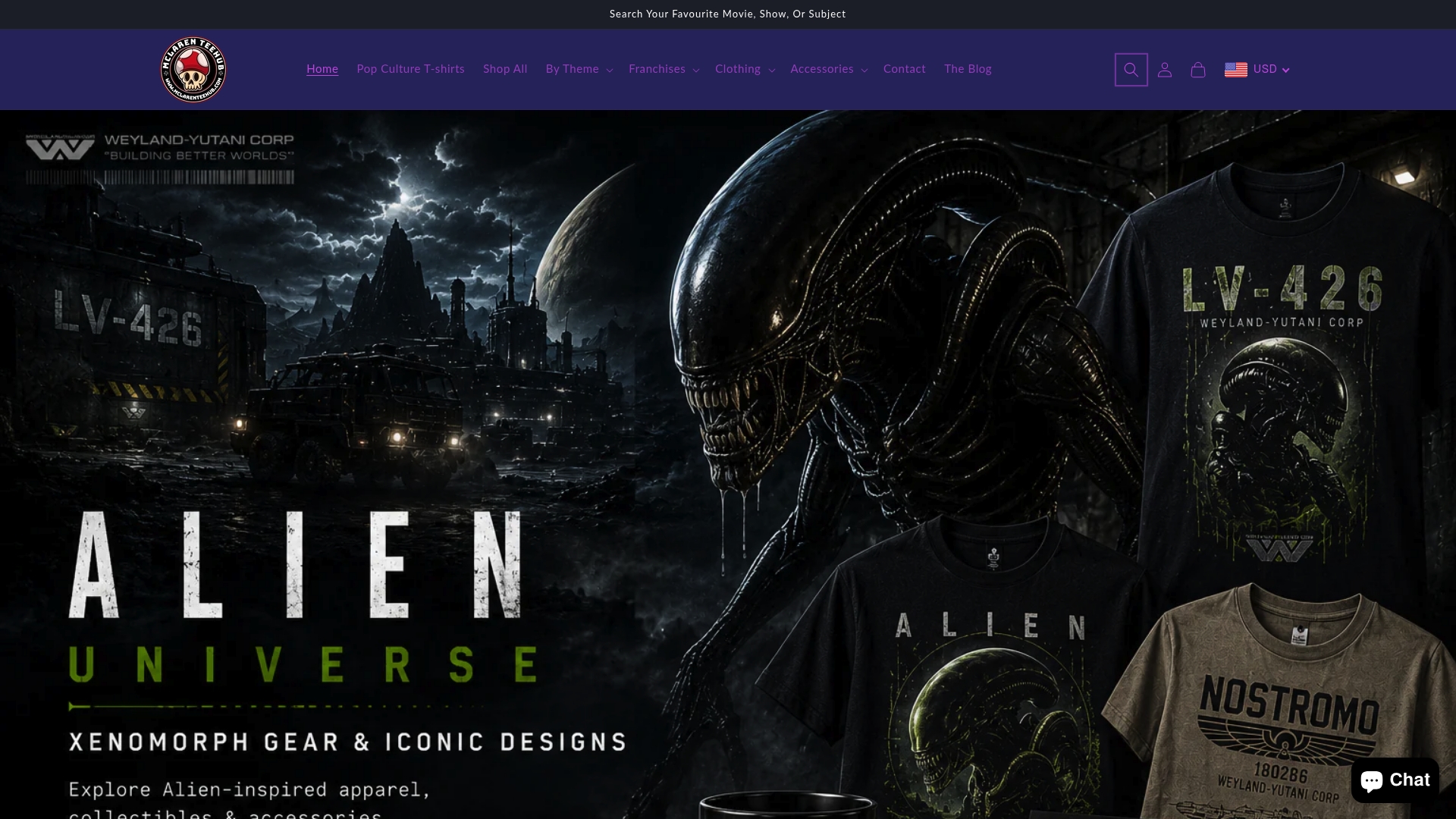
The Morning Unisex Graphic Tee is a strong example: a bold, statement-driven print with a clear pop culture reference and the kind of attitude that makes it a wardrobe standout. Mclarenteehub also carries hoodies, mugs, and gifts for shoppers who want their entire collection to reflect the same niche sensibility. If you are building a wardrobe around authentic expression rather than fast fashion defaults, this is the right place to start.
FAQ
What does graphic tee mean?
A graphic tee is a T-shirt printed with imagery, text, or illustration designed to communicate identity or cultural affiliation. It differs from a plain tee in that the design, not the fabric or fit, carries the primary visual message.
Why are graphic tees so popular in 2026?
Graphic tees are popular because shoppers are rejecting algorithm-driven uniform fashion in favor of clothing that reflects genuine personal interests. Nostalgia, authenticity, and niche cultural references drive demand more than broad trend cycles.
What are the best graphic tee styles for casual wear?
Pop culture, vintage, and streetwear graphic tees work best for casual wear. Pair them with jeans, wide-leg trousers, or shorts and keep the rest of the outfit simple so the graphic stays the focal point.
How do I know if a graphic tee is good quality?
Evaluate fabric weight, print technique, and construction. Heavy-weight cotton, screen-printed or embroidered graphics, and pre-washed finishes all indicate a tee that will hold up over time and maintain its visual impact after repeated washing.
What fit should I choose for a graphic tee in 2026?
The boxy, drop-shoulder fit is the preferred silhouette for 2026. It displays large-format graphics without distortion, suits multiple body types, and aligns with current streetwear and vintage-inspired styling trends.
Recommended
- 50+ High-Octane Shirt Ideas: The Ultimate Pop Culture Style Guide for – McLaren Tee Hub
- Pop Culture Graphic Tees: The High-Octane Buying Guide for 2026 – McLaren Tee Hub
- Tee Shirts and T-Shirts: The Ultimate Guide to the Grid of Modern Styl – McLaren Tee Hub
- Interesting T-Shirts: The Ultimate Guide to High-Octane Graphic Style – McLaren Tee Hub