

Dishwasher-Safe Mugs That Last for Years: What $5–$25 Actually Buys
Most high-quality porcelain, feldspar-porcelain, and tempered-glass mugs labeled “dishwasher safe” hold up fine to regular machine washing. Printed, sublimation, and metallic-decor mugs, along with many insulated stainless travel mugs, often don’t. Always check the care label or product page before you toss a mug in with the rest of the load, and hand-wash anything you’re not sure about.
TL;DR:
- Durability depends heavily on the mug’s material, with feldspar porcelain and high-fired ceramics generally lasting longer in dishwashers.
- Printed and metallic designs may fade or crack after a few washes unless they are kiln-fired or applied with proper durable methods.
- Checking explicit “dishwasher safe” claims, material details, and customer reviews is essential before purchase; avoid relying solely on care icons.
- Hand-washing or testing a new mug on the top rack can extend its lifespan, especially for mugs with metallic or transfer print decorations.
- Budget mugs may be less reliable for dishwasher durability, while mid-range options from trusted brands like IKEA and Pottery Barn offer better longevity.
Table of Contents
- What to Check Before You Buy Dishwasher Safe Mugs
- What Materials Actually Survive the Dishwasher?
- How Do You Verify a Mug’s Dishwasher-Safe Claim?
- Why Most DIY Printed Mugs Don’t Survive the Dishwasher
- Simple Habits That Extend a Mug’s Life
- How Long Should a Dishwasher Safe Mug Actually Last?
- What Should You Expect to Pay for a Reliable Mug?
- Which Brands Consistently Make Dishwasher Safe Mugs?
- What Buyer Feedback Taught Us About Durable Mugs
- A Novelty Mug That Handles Real Dishwasher Use
- Sources
What to Check Before You Buy Dishwasher Safe Mugs
The fastest way to avoid a cracked handle or a faded print six weeks after purchase is to actually read the product page instead of assuming every mug in the “coffee mug” category can survive a machine.
Retailers that specialize in dinnerware, like Pottery Barn, design their dishwasher-safe pieces to specific standards: durable glazes, smooth rims, and handles shaped to survive years of daily grabbing. That’s the bar a mug should clear before you trust it with your dishwasher’s heated cycle.
Here’s what to look for on any listing:
- A stated “dishwasher safe” claim in the product description, not just a generic care icon buried in fine print.
- Material called out explicitly (feldspar porcelain, high-fired ceramic, tempered glass) rather than vague terms like “premium ceramic.”
- Reviews mentioning years of regular dishwasher use, not just “looks nice out of the box.”
- Separate confirmation of microwave safety if you plan to reheat coffee, since dishwasher safe and microwave safe aren’t automatically the same thing.
- A return policy that covers chipping, glaze cracking, or handle failure from normal use, not just shipping damage.
Pro Tip: Search the product reviews for the word “dishwasher” directly. Sellers rarely lie in the description, but a reviewer whose run a mug through many wash cycles will tell you things the marketing copy won’t.
What Materials Actually Survive the Dishwasher?
Not all mugs are built the same, and the material is the single biggest predictor of whether yours makes it past year one.
Feldspar porcelain sits at the top of the durability list. IKEA’s 365+ mug line uses this material specifically because it’s dense and low-porosity, which means it resists the thermal shock and detergent scouring that wear down cheaper ceramics over time. That density also lets manufacturers make the walls thinner without sacrificing strength, so you get a lighter mug that still shrugs off years of hot cycles.
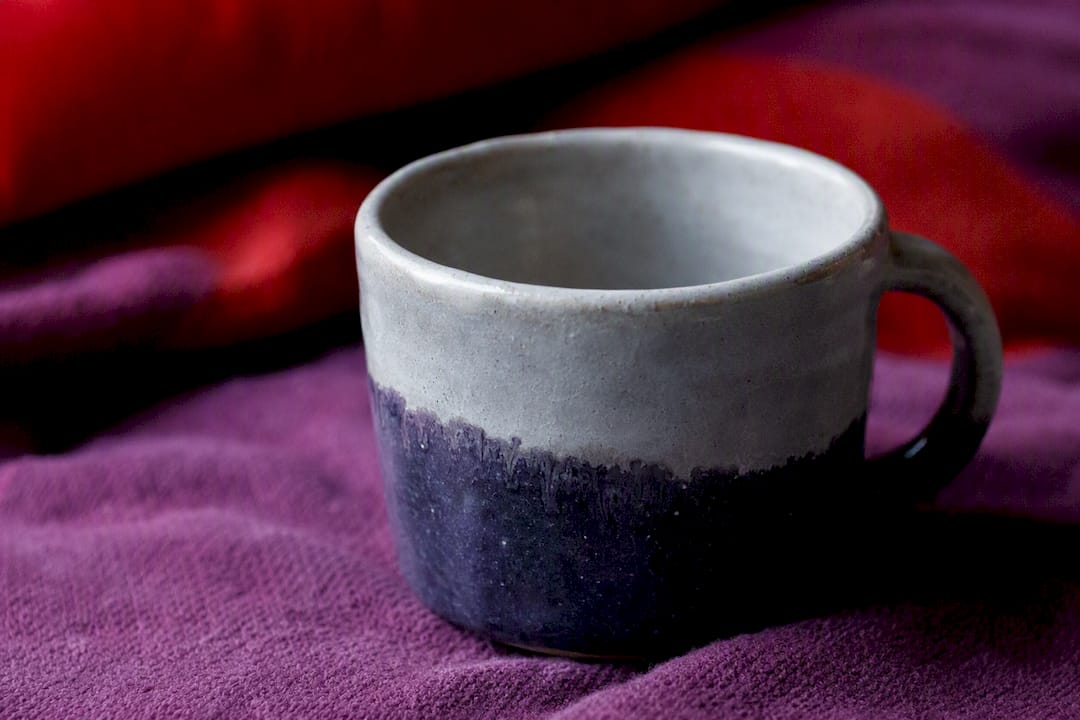
Stoneware and glazed ceramics are generally dishwasher safe, but quality varies a lot between brands. A poorly glazed mug can develop crazing (those hairline cracks across the surface) or chip at the rim after just months of regular use.
Tempered glass handles the dishwasher well when labeled for it, though sudden temperature swings, like pulling a hot mug straight from the machine into cold water, can still cause stress cracks.
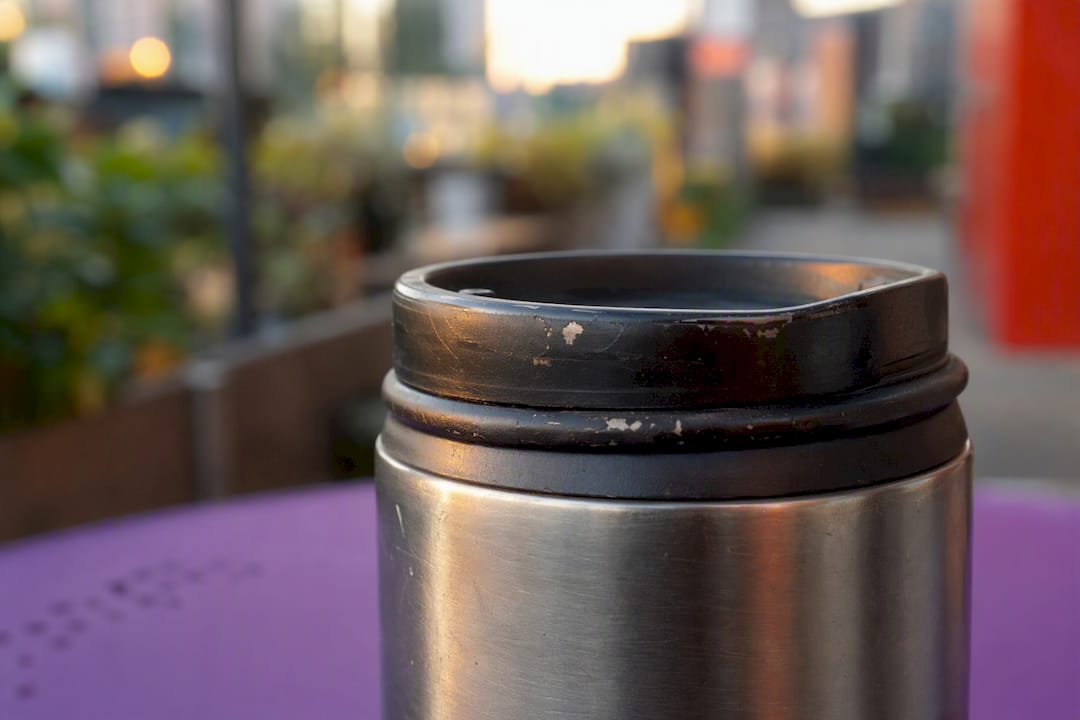
Stainless steel travel mugs are the category most likely to disappoint you. Vacuum-insulated walls, seals, and painted exteriors often can’t tolerate sustained heat and water pressure. A community thread on r/BuyItForLife makes this point repeatedly: buyers hunting for a “buy it for life” travel mug that’s also dishwasher safe run into the same wall over and over, because insulation and machine washing are often at odds.
Printed, sublimation, and metallic-decor mugs depend entirely on how they were made. A properly kiln-fired design holds up; a cheap transfer print fades or cracks within weeks.
How Do You Verify a Mug’s Dishwasher-Safe Claim?
Before you buy, and again after the mug arrives, run through a short checklist instead of trusting a stock photo.
- Search the product page for explicit wording. “Dishwasher safe” or a printed symbol on the base is a real claim. Phrases like “easy to clean” or “wipeable” are not the same thing.
- Check the material description. Sellers like Amy’s Coffee Mugs list their ceramic mugs as explicitly microwave and dishwasher safe, which tells you the glaze and firing process were built for that use.
- Run a cautious home test. Wash a new mug on the top rack using a gentle or delicate cycle, and skip the heated dry setting for the first several washes. Inspect the rim, handle, and any printed design for fading or cracking after three or four cycles.
- Skip the test entirely for metallic paint or transfer prints. If a mug has gold rims, metallic decals, or an obvious applied transfer rather than an under-glaze print, hand-wash it from day one.
Pro Tip: Keep new mugs on the top rack for their first month in rotation. Heat and detergent concentration are both stronger on the bottom rack, and that’s usually where hairline cracks show up first.
Why Most DIY Printed Mugs Don’t Survive the Dishwasher
If you’ve ever tried making your own printed mug at home, you already know the disappointment of watching a design peel after two washes. Factory kiln-firing reaches temperatures and consistency that home methods simply can’t replicate, and that gap shows up fast once a mug meets regular dishwasher use.
A few realities worth knowing before you try a DIY route:
- Mod Podge and similar sealants work fine for decoration but rarely survive more than a handful of dishwasher cycles before peeling or clouding.
- Home oven “baking” of paint pens or vinyl isn’t a substitute for industrial kiln firing, which bonds glaze to ceramic at a molecular level.
- Sublimation printing on properly coated blanks, done through a professional press, can produce a genuinely durable result, but that’s a commercial process, not a kitchen-table project.
- If you want a printed mug that survives years of washing, buy one that was factory-fired rather than trying to replicate that process at home.
Simple Habits That Extend a Mug’s Life
Small changes in how you load and wash your mugs add years to their usable life, and most of them cost nothing.
- Skip the heated dry cycle. Air-drying or a low-heat setting reduces the thermal stress that leads to glaze crazing over time.
- Give mugs breathing room. Tightly nested or stacked mugs chip at contact points during the wash cycle’s spray and drain phases.
- Use a milder detergent. Harsh, high-alkaline dishwasher powders and chlorine bleach accelerate glaze wear on delicate finishes.
- Watch for early warning signs. Fine surface cracks, fading prints, or a handle that wiggles more than it used to are all signals to switch that mug to hand-washing.
Reviewers on IKEA’s product pages frequently mention small design details like bottom tabs that prevent water from pooling underneath a mug after the cycle ends, one of those small engineering choices that quietly adds years to a mug’s service life. It’s a good reminder that durability often comes down to detail you’d never notice while shopping.
How Long Should a Dishwasher Safe Mug Actually Last?
A well-made, genuinely dishwasher-safe mug should handle daily washing for several years before you see meaningful wear, assuming you’re not running it through a heated-dry cycle every single time. Feldspar porcelain and quality stoneware tend to hold their glaze and structural integrity the longest, since the density that makes them resist chipping also slows down the microscopic surface wear that eventually causes crazing.
Cheaper ceramic mugs, especially ones with thin glaze layers or budget firing processes, often start showing hairline cracks or dulled prints within the first year of regular dishwasher use. That’s not always a manufacturing defect. It’s frequently just a mismatch between a low-cost production process and daily high-heat washing.
Printed mugs sit in their own category. A design applied through proper sublimation onto a purpose-made blank can last as long as the mug itself, because the ink becomes part of the ceramic surface rather than sitting on top of it. A cheaply printed transfer, by contrast, might survive a dozen washes before it starts to look tired.
The practical takeaway: if a mug is still bright, unchipped, and crack-free after a year of regular dishwasher use, it will likely stay that way for several more. The wear that eventually retires a mug usually shows up early, not gradually over a decade. Pay attention in the first few months, and you’ll know whether you bought something built to last or something that just looked good in a photo.
What Should You Expect to Pay for a Reliable Mug?
Dishwasher-safe mugs span a wide price range, and the gap usually tracks with material quality and glaze consistency rather than brand name alone.
Budget mugs in the $5 to $10 range can absolutely be dishwasher safe, especially basic stoneware or ceramic pieces from mainstream retailers, but the glaze thickness and firing consistency tend to be less reliable at that price point. You might get years of use, or you might see crazing after eight months. It’s a bit of a gamble.
Mid-range mugs, typically $12 to $25, are where feldspar porcelain and better-fired ceramics start showing up consistently. This is usually the sweet spot for everyday buyers: solid glaze quality, dependable dishwasher performance, and designs (including printed ones) that were actually engineered to survive machine washing rather than just decorated after the fact.

Premium and specialty mugs above $25 often add features like double-wall insulation, hand-painted detail, or artisan glazing techniques. Price alone doesn’t guarantee dishwasher durability at this tier. In fact, some hand-finished or artisan pieces recommend hand-washing specifically because their glazes are more delicate, not less.
The real value calculation isn’t about spending more. It’s about matching the mug’s construction to how you actually plan to use it. A $15 mug with an explicit dishwasher-safe claim and a printed design fired properly into the glaze will often outlast a $30 mug that never mentions dishwasher compatibility at all.
Which Brands Consistently Make Dishwasher Safe Mugs?
Some brands have built their reputation specifically around dishwasher durability, which makes them a reasonable starting point if you’d rather not gamble on an unfamiliar seller.
IKEA’s 365+ line is one of the more consistently cited examples, built from feldspar porcelain and explicitly marketed as dishwasher safe with reviewers confirming years of use without visible wear. Pottery Barn’s dishwasher-safe category groups mugs made to specific durability standards, including glaze quality and rim finish, which gives shoppers a curated starting point rather than a guessing game. Amy’s Coffee Mugs explicitly labels its ceramic artist mugs as microwave and dishwasher safe, a useful example of a smaller independent seller being upfront about material performance rather than leaving buyers to assume.
For pop-culture and novelty mugs specifically, the calculation is a little different. You’re not just choosing a material, you’re choosing a printed design, and the print’s durability depends entirely on how it was applied. If you’re weighing style options alongside durability, a roundup of retro movie mug designs is a useful place to see how novelty prints and everyday usability can coexist when the finish is done right. For material basics beyond mug shopping, The Gilded Cup’s guide to porcelain drinkware breaks down how porcelain compares to bone china if you want a deeper material comparison.
What Buyer Feedback Taught Us About Durable Mugs
Returns and customer messages taught us more about mug durability than any spec sheet could. Buyers who lost a printed design to fading or chipping almost always traced it back to the same two things: repeated heated-dry cycles and low-quality transfer prints applied without proper firing.
That feedback shapes how McLaren Tee Hub selects finishes now. Glossy coatings and print methods get evaluated against realistic daily use, not just how they photograph.
— Nicholas
A Novelty Mug That Handles Real Dishwasher Use
Most novelty mugs make you choose between a cool design and a mug that survives your dishwasher. That’s the gap Mclarenteehub built its glossy mug line to close.

The Facehugger White Glossy Mug is a good example: a print-on-demand piece with a glossy ceramic finish designed for everyday handling, not just display. Follow the care notes on the product page (skip the heated dry cycle, give it space on the rack) and it holds up the way any well-made ceramic mug should. Since every mug is produced through print-on-demand, check the size listed on the product page before ordering, and review the return policy if you receive a piece with a manufacturing flaw.
If you’re shopping for a gift rather than yourself, browse the funny mugs for coworkers roundup for more design ideas that pair novelty with actual daily usability. Ready to grab one? Check out the Facehugger mug and see the size and care details for yourself.
Sources
- IKEA 365+ mug, white, 8 oz - IKEA
- Ceramic Coffee Mugs 11oz & 15oz | Dishwasher Safe – Amy’s Coffee Mugs