

Graphic Tee Sizing: How to Nail Fit and Print Scale
Measure your best-fitting tee laid flat, or your chest circumference with a tape, and match that single number against the brand’s own size chart in inches. That is the whole trick to solving graphic tee sizing before you click “buy.” The size you land on also decides how big that printed design looks: the same 12-inch chest graphic reads bolder on a small than it does stretched across an XL. So the real decision has two halves, not one.
- Measure a golden shirt or your chest, whichever you trust more
- Check the brand’s garment chart in inches, not just the size letter
- Decide if you want the print to dominate or blend in, then size accordingly
Key Takeaways
Correct graphic tee sizing comes from matching a golden shirt or chest measurement to the brand’s inch-based chart, then adjusting for how large you want the print to read.
| Point | Details |
|---|---|
| Measure a golden shirt first | Lay a well-fitting tee flat and double the armpit-to-armpit width for chest circumference. |
| Match charts, not letters | Garment measurements in inches matter more than the size letter printed on the tag. |
| Print scale shifts with size | The same graphic can look up to 10% more dominant on a small versus an XL. |
| Size down to spotlight art | Choose a closer fit when the printed design is the main reason for the purchase. |
| Mclarenteehub simplifies the process | Product pages pair garment charts with model height and weight specs to remove the guesswork. |
Table of Contents
- How to Measure Your Body for the Correct Tee Size
- Measure a Well-Fitting Tee Instead (the Golden Shirt Method)
- How Do You Read a Size Chart and Fit Label?
- What Will the Printed Graphic Look Like on Each Size?
- Choosing Between Sizes When Both Fit and Print Matter
- Fabric, Stretch, and Laundering: What Changes After You Buy
- Ordering Tips, Returns, and Writing a Fit Review That Helps Others
- What Most Sizing Advice Gets Backward
- Sources
How to Measure Your Body for the Correct Tee Size
Three numbers matter for graphic tee sizing: chest, torso length, and shoulder width. Chest circumference carries the most weight, since it drives nearly every size chart on the market.
- Chest: Wrap a tape measure around the fullest part of your chest, keeping it level under your arms. Record the number in inches, not the size you assume it matches.
- Length: Measure from the top of your shoulder down to where you want the hem to sit. Most adult tees have a length for a medium that varies by brand.
- Shoulder width: Measure seam to seam across your back at shoulder height. This matters less for boxy graphic tees, but it flags whether a “slim” cut will pinch you.
No tape measure handy? Wrap a string around your chest, mark where it overlaps, then lay it against a ruler.
Pro Tip: Measure over a thin shirt, not bare skin. A tape pulled tight against skin reads smaller than it will once fabric and a little breathing room are factored in.
Measure a Well-Fitting Tee Instead (the Golden Shirt Method)
Skip the guesswork and measure a shirt you already own and love wearing. This is often more reliable than a body tape measure because it captures how the garment actually drapes on you, not just your raw dimensions.
- Lay the shirt flat and measure armpit to armpit, then double that number for chest circumference.
- Measure from the shoulder seam straight down to the hem for length.
- Give yourself a half inch to one inch of tolerance when matching these numbers to a new brand’s chart.
Areezz and other fit guides both point to this method as the fastest way to translate one brand’s fit into a purchase from a completely different one. A size medium at one store can measure closer to a small somewhere else, so the golden shirt sidesteps that confusion entirely.
How Do You Read a Size Chart and Fit Label?
Garment measurements and body measurements are not the same thing, and mixing them up is the single most common sizing mistake. A chart listing “40 inches” for the chest usually means the shirt itself measures 40 inches around, not that it fits a 40-inch chest exactly. There’s built-in room, called ease, and how much ease a shirt has depends on its fit type.
- Slim fit tees run close to the body with minimal ease, often 2 to 4 inches beyond your actual chest measurement.
- Regular or unisex fit, the standard for most pop-culture tees, adds 4 to 6 inches of ease for a comfortable, non-clingy drape.
- Relaxed or oversized fit can add 8 inches or more, designed to hang loose intentionally.
Because t-shirt sizing has no universal standard across brands or regions, the size letter on the tag tells you far less than the actual chart numbers. If you land between two sizes, let the fit label break the tie. Sizing up on a slim cut moves you toward regular; sizing down on an oversized high neck t shirt moves you toward regular from the other direction.
What Will the Printed Graphic Look Like on Each Size?
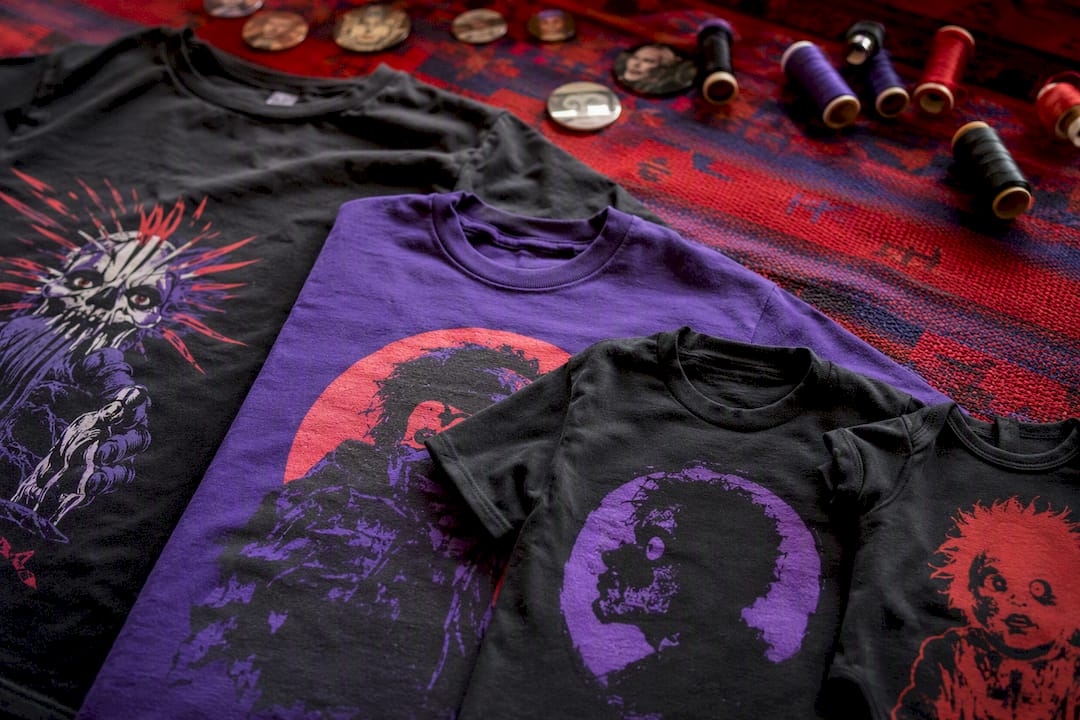
The artwork on a graphic tee doesn’t scale perfectly with the shirt, and that catches a lot of shoppers off guard. Print placement follows fairly consistent envelopes across the industry: left-chest prints typically run a few inches wide, while full-front designs commonly span a larger width, with back prints stretching up to 14 inches on larger shirts.
Here’s the part that trips people up: printers generally keep the artwork’s physical dimensions close to fixed across a size run, or scale it only slightly. That means a 12-inch chest graphic looks bold and dominant on a small shirt but almost modest on an XL with far more blank fabric around it. Design workflows estimate a noticeable jump in visual dominance between size extremes, enough to change whether the art feels like a statement piece or an afterthought.
- Want the graphic to pop? Stay true to size or even size down slightly.
- Want a relaxed, oversized silhouette? Expect the same print to feel smaller and less central.
- Preview scale with a tape measure against your own chest before ordering, since most product photos show the print at a fixed size regardless of the shirt size pictured.
Choosing Between Sizes When Both Fit and Print Matter
When your measurements land you between two sizes, work through this in order rather than guessing.
- Decide what matters more today: a graphic that reads big and bold, or a shirt that drapes comfortably.
- Cross-check your golden shirt or chest number against the brand’s actual chart, not the size letter alone.
- Read the fit label. “Unisex” or “regular” splits the difference; “oversized” already assumes you’ll size at or below your normal number.
- Confirm with product photos and model specs. Look for a model’s height and weight next to the size they’re wearing, then compare that to your own build.
Rule of thumb: size down for a fitted look where the print stays the visual centerpiece. Size up only if comfort outranks print prominence, since going up a size or two is the standard fix for a more relaxed silhouette.
Pro Tip: If a product page shows a 5-foot-10, 165-pound model wearing a large, and you’re built similarly, trust that photo more than the size chart alone.
Fabric, Stretch, and Laundering: What Changes After You Buy
The fabric a shirt is printed on changes both fit and how the design reads visually. Heavier cotton, generally anything above 6 ounces per square yard, holds its shape and can make a print feel visually smaller because the fabric doesn’t drape as close to the body as a lighter tri-blend does. Lighter blends cling more, which can make the same graphic look larger simply because there’s less loose fabric competing with it.
- Preshrunk cotton should hold its listed measurements closely after washing.
- Non-preshrunk cotton can lose up to a half inch in length after the first few hot washes, so leave yourself a buffer.
- Wash in cold water and skip the dryer’s high heat setting to protect both the fit and the print. For a fabric-weight comparison against heavier options like fleece, a hoodie size guide walks through similar drape differences.
Ordering Tips, Returns, and Writing a Fit Review That Helps Others
A little prep before checkout saves you a return label later.
- Measure first, then compare your golden shirt or chest number against the actual chart, not the size name.
- Order two sizes if you’re genuinely torn and the retailer’s return policy makes it painless, then send back whichever fits worse.
- Check the return window before you buy. A generous exchange policy is worth more than guessing right on the first try.
- Leave a real review listing your height, weight, the size you ordered, and a photo. That single habit, encouraged across the apparel industry, does more to help the next shopper than any star rating alone.
Why Trust This Guide: Nicholas and McLaren Tee Hub’s Sizing Approach
Nicholas has written multiple tee-fit guides covering everything from style types across graphic tees to how cuts and drape have shifted across the modern tee market. Mclarenteehub operates as an online pop-culture apparel retailer built around fan art and parody designs, and its own sizing data feeds directly into guides like this one.
What Most Sizing Advice Gets Backward
Most sizing guides treat print appearance as an afterthought, something you discover after the shirt arrives. That’s backward. The print is often the entire reason someone buys a pop-culture graphic tee in the first place, so its scale deserves the same upfront attention as chest circumference.
The conventional advice, “measure yourself, check the chart, done,” ignores that a perfectly fitted XL can make a beloved design look like an afterthought stamped on too much fabric. I’d argue the print-to-garment ratio deserves its own decision point, separate from fit comfort, especially for licensed or fan-art designs where the artwork carries the purchase.
My honest read: prioritize the golden shirt method over body measurements alone, because it accounts for how you actually like fabric to sit. Then treat the print size as a second filter, not a bonus. If a design is the reason you’re buying, size toward keeping it visually dominant, even if that means sizing down from your usual comfort pick. Comfort you can adjust with a wash cycle or a layer underneath. A print that reads small and lost on an oversized shirt is a lot harder to fix after checkout.
— Nicholas
A Quick Note on How Mclarenteehub Makes Sizing Easier
Mclarenteehub cuts the sizing gamble other pop-culture tee sites leave you with: full garment charts in inches, model photos with listed heights and weights, and a returns process that doesn’t punish you for guessing wrong once.
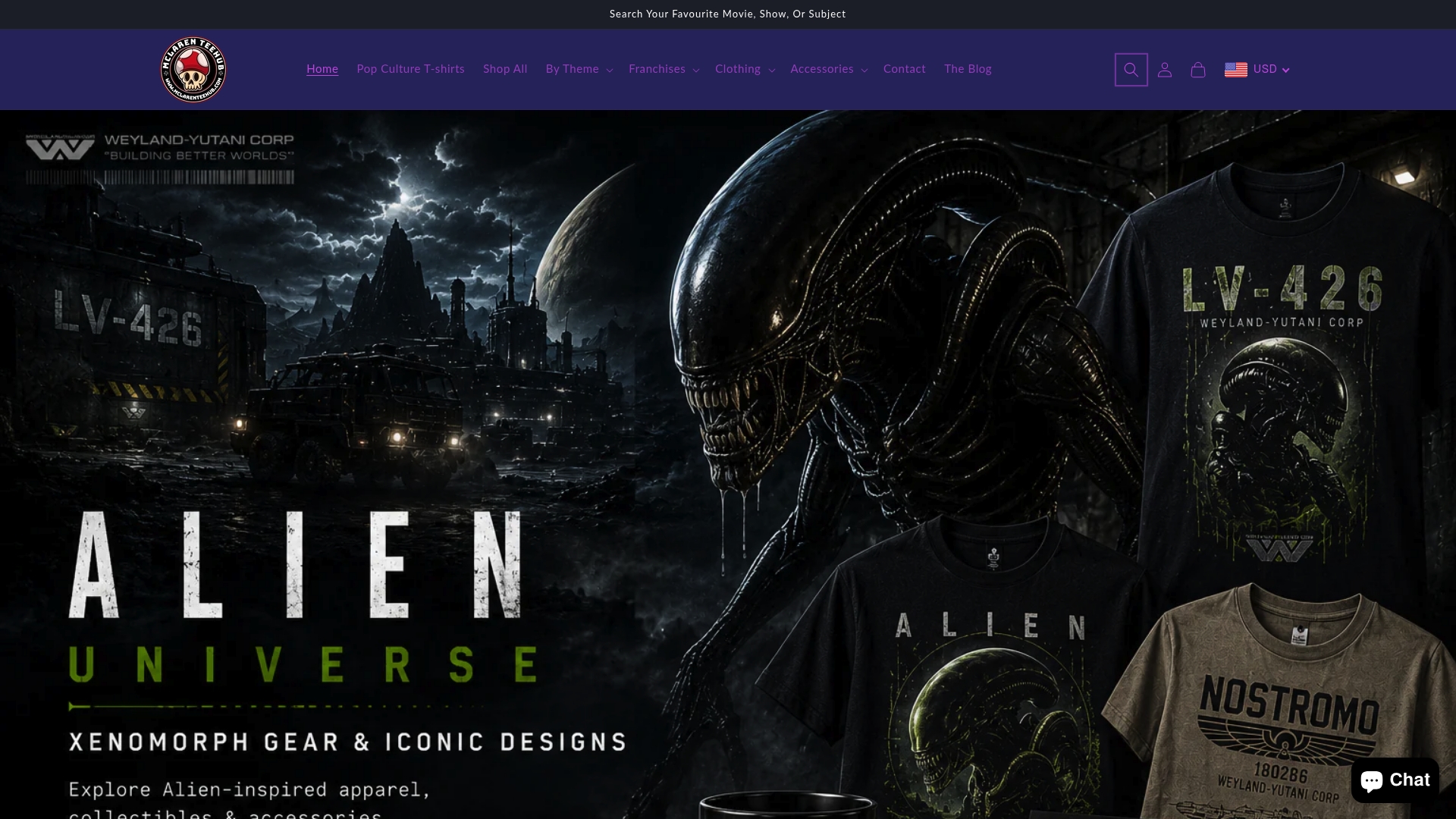
Every product page lists exact measurements next to real model specs, so you can match your build to someone close to your size before you order rather than after. That pairs naturally with the golden shirt method covered above. If you’re deciding between two sizes on a design you actually want to show off, start by checking the measurements on a piece like this Pulp Fiction inspired tee and compare it against your golden shirt numbers before checkout.
Sources
- The Ultimate Guide to T-Shirt Sizing and Fit
- How to Find Your Perfect T-Shirt Size Without Trying It On - Areezz
- How to design a T-shirt: the ultimate guide | VistaPrint US