

What Is Pop Culture Merchandise? A Collector's Guide
TL;DR:
- Pop culture merchandise is a growing global industry valued at over $37 billion in 2024, with apparel leading sales. Collectible items like signed props and vintage posters depend on rarity, condition, and provenance for their value. Licensing laws and fandom culture drive demand for high-quality, officially licensed products that extend media franchises’ lives.
Pop culture merchandise is defined as physical or digital products tied to entertainment media, cultural icons, and fan-driven phenomena, giving collectors and enthusiasts a tangible way to express their passions. The global market reached $37.2 billion in 2024, with a projected annual growth rate of 8.7% through 2033. That scale reflects how deeply fandom merchandise has moved from novelty to mainstream commerce. Whether you wear it, display it, or invest in it, pop culture merchandise sits at the intersection of identity, culture, and real economic value. Mclarenteehub exists precisely in this space, offering apparel and collectibles for fans who want more than a logo on a shirt.
What are the common types of pop culture merchandise?
Apparel leads the market by volume and share, outpacing toys, accessories, and home décor across every major franchise category. T-shirts, hoodies, and caps are the most purchased fan items worldwide. They are affordable, wearable, and immediately communicate a fan’s allegiance to a specific story, character, or cultural moment.
Beyond apparel, the types of pop culture items collectors pursue include:
- Toys and action figures: Articulated figures, statues, and die-cast models tied to film, television, and gaming franchises
- Collectible art prints and posters: Limited-run illustrated prints, often signed or numbered, from artists working within licensed universes
- Home décor and kitchenware: Mugs, cushions, and wall art that bring fandom into everyday living spaces
- Accessories: Pins, patches, lanyards, and jewelry referencing specific characters or symbols
- Special edition and collaboration items: Products released in limited quantities through brand partnerships, often tied to film premieres or anniversaries
The distinction between mass-market merchandise and high-value collectibles matters enormously. A standard licensed t-shirt sells for $25–$40 and is produced in large runs. A numbered art print or a signed prop replica from a major franchise can command hundreds or thousands of dollars. Both qualify as pop culture fan memorabilia, but they serve different collectors with different goals.
Pro Tip: When buying apparel as a fan item, check whether the design is officially licensed. Licensed products carry legal protections and typically hold better resale value than unlicensed prints.
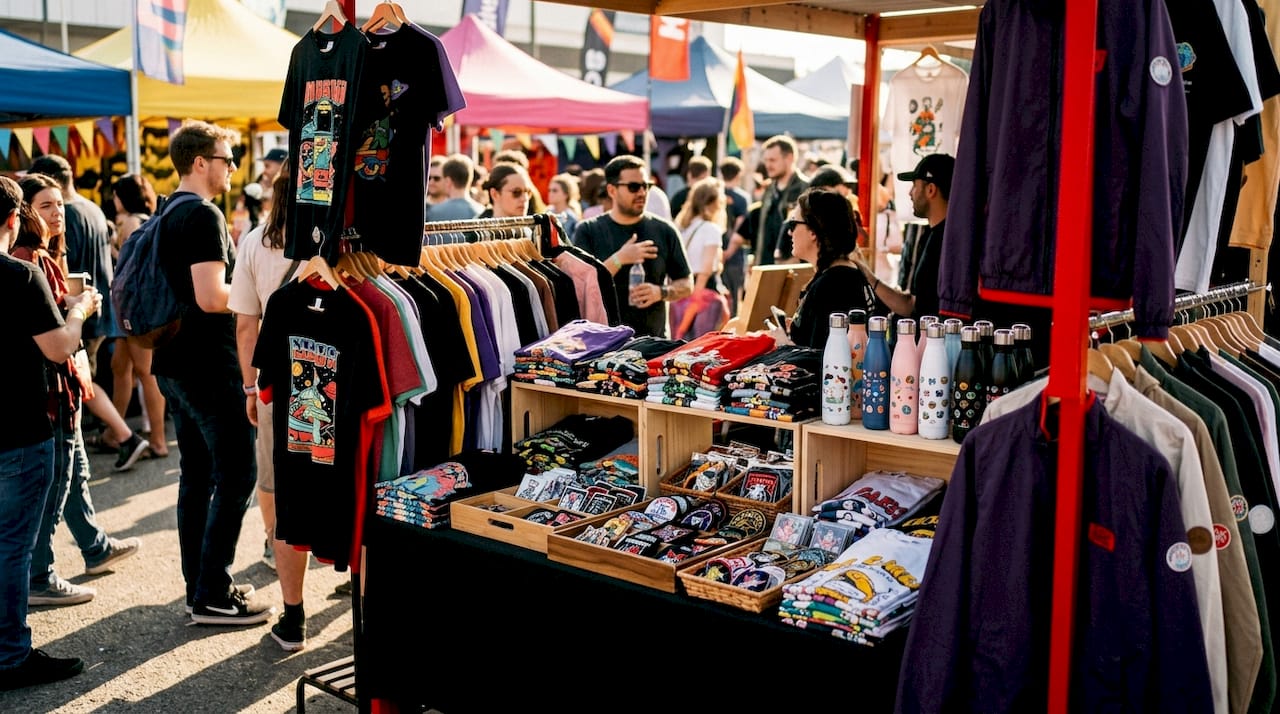
Trending pop culture products in 2026 lean heavily into retro aesthetics. Designs referencing 1980s science fiction, classic horror, and martial arts cinema are selling strongly, a pattern driven by millennial nostalgia and the continued streaming popularity of legacy franchises. Mclarenteehub’s retro-inspired apparel reflects exactly this demand, blending bold illustration with recognizable cultural references.
How does the pop culture merchandise market perform economically?
The numbers tell a clear story. The global market hit $37.2 billion in 2024 and is growing at 8.7% annually. That growth rate outpaces most traditional retail categories, which signals that fandom merchandise is not a niche hobby. It is a primary consumer spending category.
One data point captures the shift better than any market report. Taylor Swift’s Eras Tour merchandise store generated $200 million during 2023–2024. That figure represents a single artist’s merchandise operation outperforming entire retail chains. It demonstrates that popular merchandise in pop culture has crossed from souvenir territory into lifestyle product status.
| Market Indicator | Figure |
|---|---|
| Global market size (2024) | $37.2 billion |
| Projected annual growth rate | 8.7% through 2033 |
| Taylor Swift Eras Tour merch revenue | $200 million (2023–2024) |
| High-grade vintage poster sale price | $50,000 or more |
Digital media has accelerated this growth in a specific way. Streaming platforms give franchises a permanent audience, which means merchandise demand does not expire when a film leaves theaters. A fan discovering Alien or Back to the Future on a streaming platform in 2026 immediately becomes a potential buyer of related merchandise. Licensing deals between studios and retailers have expanded to capture this demand across every product category imaginable.
Mainstream fashion adoption has also legitimized pop culture merchandise in ways that were not true a decade ago. High-end streetwear brands now collaborate with film studios and gaming companies. That crossover signals to the broader market that fandom apparel carries cultural credibility, not just novelty value.
What makes pop culture merchandise collectible?
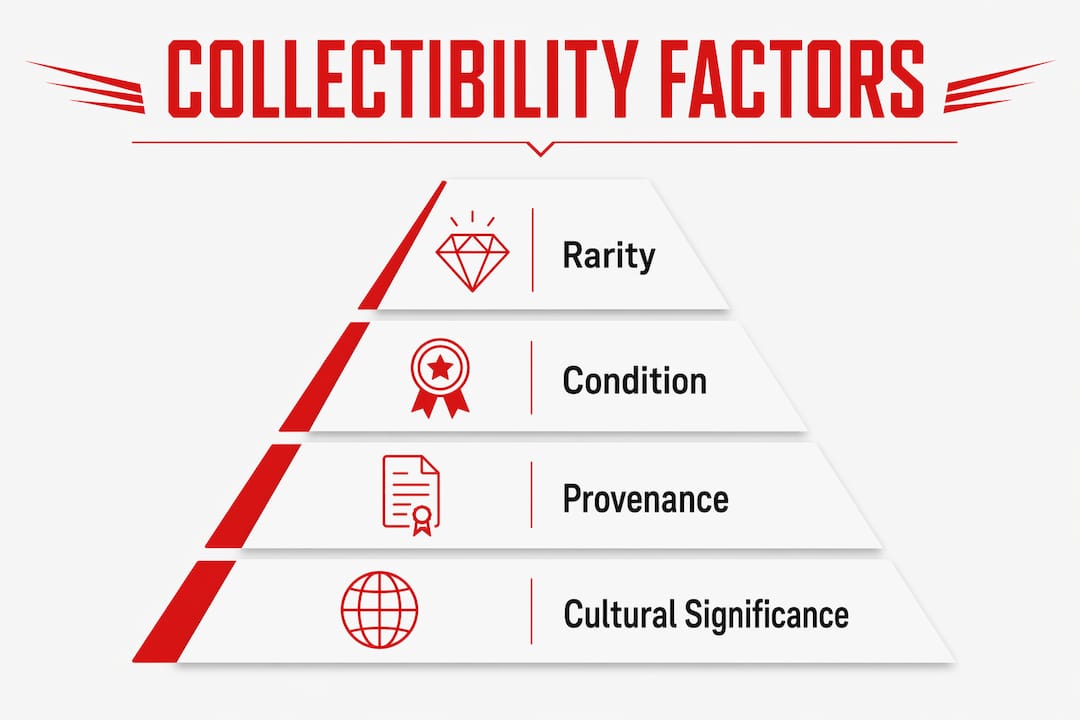
Collectibility is determined by four factors: rarity, condition, provenance, and cultural significance. Understanding each one separates informed collectors from buyers who overpay for common items.
Rarity is the most straightforward driver. Limited-edition drops and supply-constrained collaborations appreciate faster than standard releases. Scarcity creates competition among buyers, which pushes prices up over time. Collectors who track studio release calendars and franchise anniversary dates position themselves to acquire items before secondary market prices spike.
Condition and packaging carry more weight than most new collectors expect. Even minor packaging damage can reduce a collectible’s resale value by 50% or more compared to a mint, sealed version. A figure removed from its box and displayed on a shelf is worth a fraction of the same figure in unopened packaging. This is why serious collectors often buy two: one to display and one to store sealed.
Provenance is the factor that separates a valuable collectible from an expensive decoration. Authentication certifications from PSA/DNA, JSA, or Beckett are the industry standard for autographed items and props. Without documented provenance, even a prop from a major franchise can hold less value than a documented item from a smaller production. The paperwork is not a formality. It is the foundation of the item’s market value.
Pro Tip: Before purchasing any autographed pop culture item, request the full authentication chain: the certifying body, the certificate number, and the date of authentication. A certificate from PSA/DNA or Beckett is verifiable online.
High-grade vintage collectibles demonstrate the ceiling of this market. Original theatrical posters in top condition sell for $50,000 or more. That figure is not an outlier. It reflects a mature collector market where condition, rarity, and cultural significance combine to produce investment-grade assets. Younger collectors increasingly treat pop culture collectibles as an alternative asset class, applying the same logic they use for art or vintage watches.
How do fandom culture and intellectual property law shape pop culture merchandise?
Fandom is the demand engine. Intellectual property law is the infrastructure that makes commercial production possible. Both forces work together to define what merchandise gets made, how it is sold, and how long it remains culturally relevant.
The emotional connection fans form with stories and characters is not passive. It generates active purchasing behavior, community building, and long-term brand loyalty. Merchandise functions as a vessel for fandom experiences, not simply as a product. When a fan buys a Ghostbusters mug or an Aliens beanie, they are not buying kitchenware or headwear. They are buying a piece of a story they care about. That distinction drives repeat purchasing and explains why franchise merchandise outlasts the original media release by decades.
IP law enables studios to monetize their characters and stories through licensing agreements, extending franchise lifespans far beyond the screen. Without legal protection, any manufacturer could produce merchandise from any franchise without compensating the creators. Licensing agreements ensure that official merchandise carries quality standards and that revenue flows back to rights holders, which funds future creative work.
The cultural mechanics of fandom merchandise include several distinct patterns:
- Community signaling: Wearing or displaying franchise merchandise communicates membership in a fan community, creating social bonds between strangers
- Nostalgia activation: Retro designs and anniversary editions trigger emotional responses tied to formative cultural experiences
- Story extension: Merchandise expands the universe beyond the screen, giving fans physical objects that exist within the logic of their favorite stories
- Limited-drop culture: Brands use scarcity and timed releases to generate urgency and media coverage, borrowing tactics from streetwear
The shift toward colorful, elaborate merchandise designs reflects a broader consumer preference for expressive products over minimal branding. Fans want designs that tell a story at a glance. That aesthetic shift has pushed manufacturers toward higher-quality printing, more detailed illustration, and bolder color palettes across every product category. You can explore how this plays out in practice by browsing pop culture films that have generated the most enduring merchandise traditions.
Key Takeaways
Pop culture merchandise is a $37.2 billion global market where apparel dominates, collectible value depends on provenance and condition, and fandom culture drives demand that outlasts any single media release.
| Point | Details |
|---|---|
| Market scale | The global market reached $37.2 billion in 2024, growing at 8.7% annually. |
| Apparel leads all categories | T-shirts, hoodies, and caps outsell toys, accessories, and home décor by volume. |
| Provenance determines collectible value | Authentication from PSA/DNA or Beckett separates high-value items from common merchandise. |
| Condition is critical | Packaging damage can cut resale value by 50% or more compared to mint sealed items. |
| IP law sustains the market | Licensing agreements protect franchises and fund the production of official merchandise. |
Why the merch market is more serious than most collectors realize
I have watched the pop culture merchandise market shift from a casual hobby into something that requires genuine research and discipline. The collectors who do well are not the ones who buy everything. They are the ones who understand that scarcity, documentation, and condition are the three variables that actually move prices.
The nostalgia wave driving current demand is real, but it is also creating a lot of noise. Younger collectors are entering the market with enthusiasm but without the framework to distinguish a genuinely scarce item from a manufactured “limited edition” that shipped 50,000 units. The word “limited” on a product tag means almost nothing without knowing the actual print run.
What I find most interesting is the aesthetic shift happening right now. Merchandise designs are getting bolder, more illustrative, and more specific to the source material. A shirt that captures a single frame’s mood from a 1979 film is a fundamentally different product from a shirt with a character’s face on it. That specificity signals a maturing market where fans want depth, not just recognition. The brands producing that kind of work are the ones building lasting collector communities.
My honest advice: buy what you genuinely love first. The investment case for pop culture collectibles is real, but it requires patience and knowledge. If you buy something because you love it and it never appreciates, you still have something worth owning.
— Nicholas
Pop culture apparel and collectibles at Mclarenteehub
Mclarenteehub carries a curated range of officially inspired pop culture apparel and collectibles built for fans who take their fandom seriously.
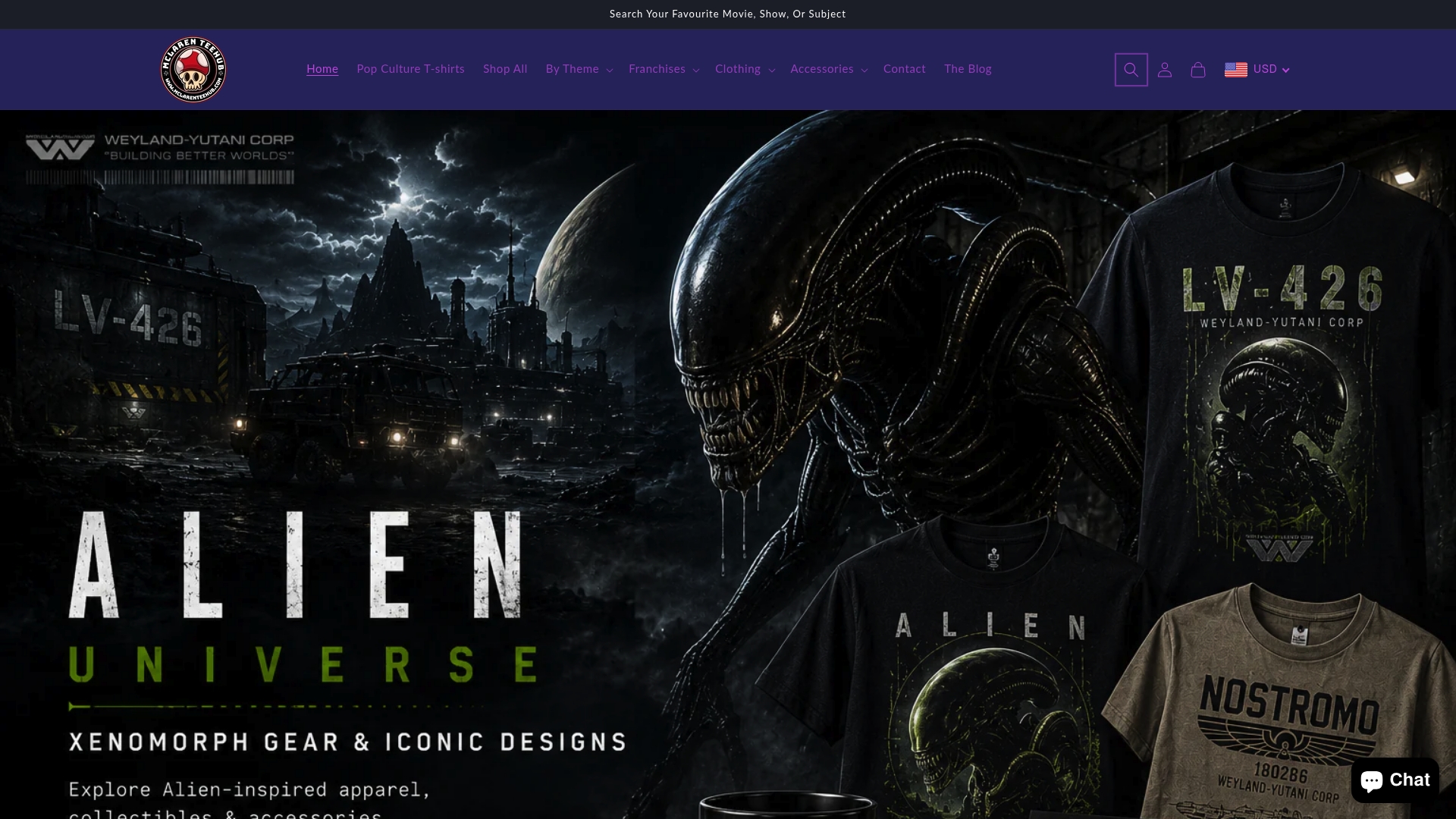
The catalog spans t-shirts, hats, hoodies, and mugs across franchises from classic science fiction to iconic action cinema. Products like the Back to the Future Flux Capacitor mug sit alongside bold apparel designs that reference specific moments from beloved films. Every item is designed for fans who want more than generic branding. The focus is on designs that communicate genuine knowledge of the source material, which is exactly what the current collector market rewards.
FAQ
What is pop culture merchandise?
Pop culture merchandise is any product, physical or digital, tied to entertainment media, cultural icons, or fan-driven phenomena. It includes apparel, collectibles, toys, home décor, and accessories representing specific franchises or cultural moments.
What are fandom merchandise and how do they differ from collectibles?
Fandom merchandise refers broadly to any product fans buy to express affiliation with a franchise. Collectibles are a subset defined by rarity, condition, and provenance, and they carry investment potential that standard merchandise does not.
Where can you buy pop culture items?
Pop culture items are available through licensed online retailers, specialty stores, auction houses, and fan conventions. Mclarenteehub offers a curated selection of apparel and collectibles for fans of classic and contemporary franchises.
How is the value of pop culture collectibles determined?
Value depends on rarity, condition, provenance, and cultural significance. Authentication from bodies like PSA/DNA or Beckett is the industry standard for autographed items and props, and original sealed packaging commands a significant premium over opened versions.
What types of pop culture merchandise hold value over time?
Limited-edition releases, authenticated autographed items, and high-grade vintage posters consistently hold or appreciate in value. Items with documented provenance and mint condition packaging outperform mass-market merchandise in secondary markets.