

What Is Sci-Fi Genre Merchandise? A Fan's Guide
What sci-fi genre merchandise actually is
Sci-fi genre merchandise covers every product tied to a recognized science fiction work, from a Star Wars action figure to a Doctor Who sonic screwdriver replica to a vintage Alien movie poster. The link to a specific franchise or source work is what separates official merchandise from a generic “space-themed” product you might find at any novelty shop.
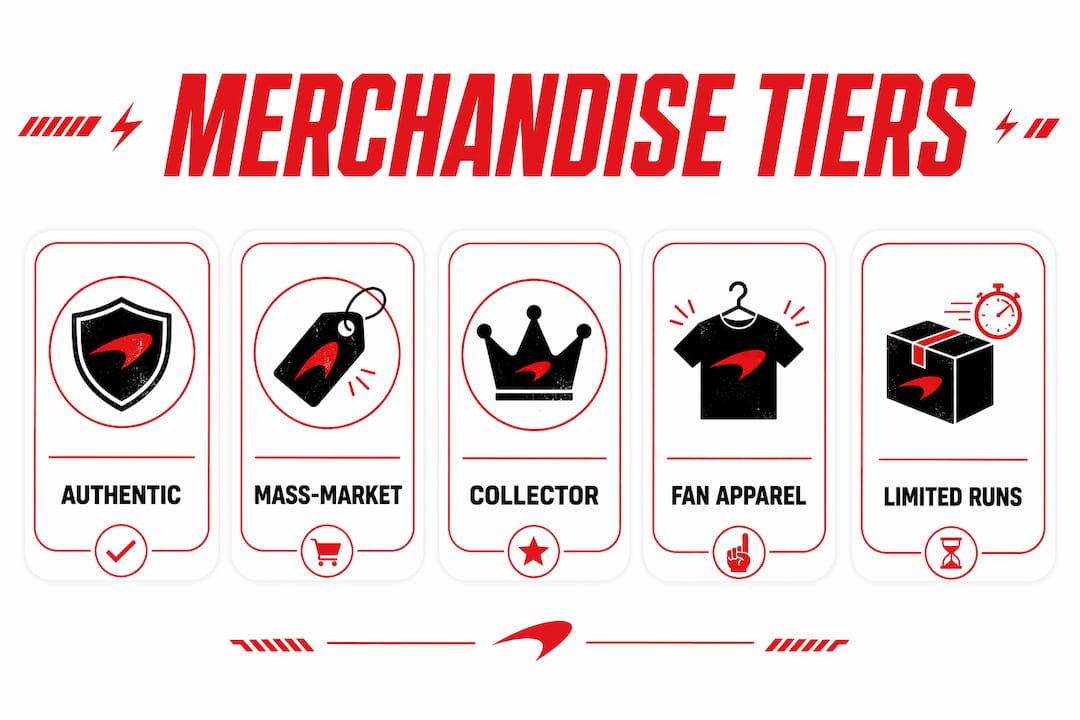
The market breaks into three distinct tiers:
- Authentic artifacts: Original film props, signed manuscripts, and vintage promotional materials. These are rare, often one-of-a-kind, and tend to appreciate in value over time.
- Mass-market fan items: T-shirts, mugs, hoodies, patches, and action figures produced at scale. Designed for everyday fan use, not investment.
- Collectors’ pieces: Limited-edition statues, high-fidelity prop replicas, and numbered runs. Engineered for display and, in some cases, long-term value.
Franchises like Star Wars, Star Trek, and Doctor Who generate the most merchandise volume in the U.S., but the category spans everything from paperback tie-in novels to full-scale costume replicas.
Table of Contents
- How to tell the different types apart
- Which franchises drive the most sci-fi merchandise?
- Where you can find sci-fi merchandise in the United States
- Fan apparel and popular everyday sci-fi items
- How sci-fi merchandise evolved over the decades
- Who actually buys sci-fi merchandise?
- How sci-fi merchandise shapes pop culture
- Mclarenteehub brings sci-fi fan style within reach
- Key Takeaways
How to tell the different types apart
The clearest way to understand sci-fi merchandise is by what it’s built to do. According to the Science Fiction Encyclopedia, mass-market merchandise is designed for fan use and aesthetics, while collectors’ items are crafted as display pieces with potential value appreciation.
Authentic artifacts sit at the top of the hierarchy:
- Original screen-used props (lightsabers, phasers, TARDIS components)
- First-edition novels and signed manuscripts
- Vintage promotional photos and lobby cards
- Original concept art and storyboards
Mass-market fan goods are the everyday layer most fans interact with:
- Printed apparel (t-shirts, hoodies, caps)
- Mugs, water bottles, and kitchen accessories
- Standard action figures and die-cast vehicles
- Posters and wall art
Collectors’ items occupy the middle ground between fan goods and artifacts:
- Limited-edition statues and busts from specialty manufacturers
- Screen-accurate prop replicas with certificates of authenticity
- Numbered LEGO sets like the Star Trek U.S.S. Enterprise NCC-1701-D, built specifically as display pieces
- Autographed photos and convention exclusives
Availability is a reliable test: if you can grab it on Amazon today, it’s mass-market. If it’s a numbered run of 500 units, it’s a collectible.
Which franchises drive the most sci-fi merchandise?
A handful of franchises account for the majority of sci-fi merchandise sold in the United States. Each has built an ecosystem of products that spans every tier.
- Star Wars: The gold standard. Action figures, apparel, LEGO sets, prop replicas, and fine art prints. The franchise has generated merchandise continuously since 1977.
- Star Trek: Starship models, uniforms, phasers, and now LEGO builds like the Enterprise NCC-1701-D. The fandom skews toward display-quality pieces alongside everyday fan goods.
- Doctor Who: Sonic screwdrivers, TARDIS replicas, and autographed convention photos are the core merchandise. GalaxyCon, for example, carries autographed Doctor Who collectibles alongside Star Trek and Star Wars items.
- Blade Runner: Prop replicas of the Voight-Kampff machine and blasters, plus limited-run art prints. The merchandise market is smaller but intensely collector-focused.
- Back to the Future: The DeLorean time machine drives most merchandise. The LEGO Back to the Future Time Machine set, with its light-up flux capacitor and swappable license plates, is a prime example of how a single iconic prop becomes an entire product category.
Each of these franchises also feeds a secondary market of fan-made and licensed apparel, which is where most casual fans first engage with merchandise.
Where you can find sci-fi merchandise in the United States
The shopping landscape for sci-fi merchandise has expanded well beyond comic book stores.
- Specialty collector shops: Physical and online stores focused on figures, prop replicas, and limited editions. Sideshow Collectibles, for instance, carries sci-fi figures and statues spanning Star Wars, Star Trek, and classic films.
- Convention booths: San Diego Comic-Con, Dragon Con, and regional events like GalaxyCon are primary sources for autographed items and exclusives you won’t find in retail.
- Official franchise storefronts: Disney’s shop for Star Wars, the LEGO Shop for licensed builds, and network stores for Star Trek merchandise.
- Large e-commerce platforms: Amazon, eBay, and Etsy carry everything from mass-market tees to vintage collectibles from private sellers.
- Collector apps and databases: Tools like iCollect Everything let collectors scan barcodes, track estimated values, and organize inventories by franchise, type, and year of release. It’s the kind of tool serious collectors use to manage collections that span hundreds of items.
Pro Tip: For rare or vintage pieces, cross-reference prices across at least two platforms before buying. eBay’s “sold listings” filter shows what items actually cleared, not just what sellers are asking.
Fan apparel and popular everyday sci-fi items
Fan apparel is where most people start their relationship with sci-fi merchandise. It’s accessible, wearable, and lets fans signal their fandom without committing to a display cabinet.
The most common categories:
- T-shirts and hoodies: Franchise logos, character artwork, and quote-based graphics. Screen printing and direct-to-garment printing are the standard manufacturing methods.
- Mugs and drinkware: Among the most popular sci-fi themed gifts, often featuring character art, alien motifs, or iconic film quotes.
- Patches and pins: Enamel pins and embroidered patches from specific episodes, ships, or characters. Highly collectible at a low price point.
- Accessories: Tote bags, phone cases, and lanyards with franchise branding.
What makes fan apparel trends distinct from generic graphic tees is the specificity of the reference. A shirt that says “Han Shot First” communicates something precise to another fan. That shared language is the whole point.
How sci-fi merchandise evolved over the decades
The modern sci-fi merchandise market traces directly to 1977. Before Star Wars, movie tie-in products were modest: a few toys, a poster, maybe a novelization. George Lucas negotiated to retain merchandising rights for his film, and the resulting toy line from Kenner became one of the best-selling product lines in retail history. That deal rewrote how Hollywood thought about merchandise.
Through the 1980s and 1990s, franchises like Star Trek and Back to the Future expanded the template. Merchandise moved from toy aisles into specialty shops, and the collector market began to separate from the mass-market. Limited-edition pieces, signed memorabilia, and prop replicas emerged as their own category.
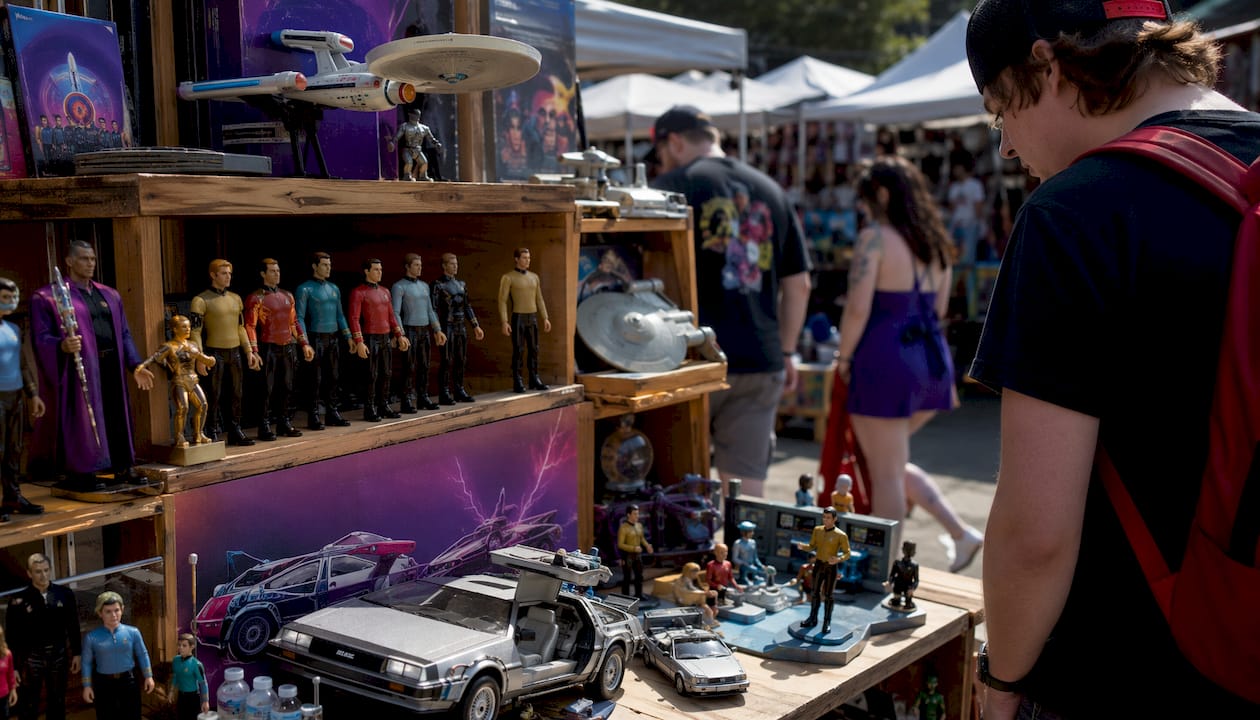
The internet changed distribution entirely. eBay (launched 1995) gave collectors a global marketplace for vintage items overnight. By the 2010s, direct-to-consumer storefronts and print-on-demand services let smaller franchises and independent artists sell merchandise without a retail partner. Today, a niche sci-fi series with a passionate fanbase can sustain a full merchandise ecosystem through its own online store.
Who actually buys sci-fi merchandise?
The demographic picture is broader than the stereotype suggests. The core buyer has historically been male fans in young adulthood, but that profile has shifted considerably. Women represent a growing share of merchandise buyers across Star Wars, Doctor Who, and Star Trek fandoms, and the age range now extends from children (through toy lines and LEGO sets) to adults in their 50s and 60s who grew up with the original franchises.
Collectors skew older and spend more per transaction, often targeting limited runs and authenticated pieces. Casual fans buy apparel and everyday items. Gift buyers, particularly around the holidays, represent a significant seasonal spike, which is why “sci-fi themed gifts” consistently ranks as a high-volume search category in November and December.
The influence of fandoms on merchandise trends has also pushed brands to release smaller, more targeted product runs rather than broad catalog items. A limited hoodie tied to a specific episode or anniversary sells out faster than a generic franchise logo tee.
How sci-fi merchandise shapes pop culture
Merchandise doesn’t just follow pop culture. It actively sustains it. A franchise that might otherwise fade between film releases stays visible through its product ecosystem. Star Trek merchandise kept the fandom cohesive through the gap years between series. Doctor Who’s merchandise market helped signal to the BBC that the fandom was large enough to justify a revival in 2005.
There’s also an identity dimension. Wearing a Blade Runner tee or displaying a TARDIS on your desk is a statement about taste, values, and community membership. The Sci-Fi & Fantasy Stack Exchange community has noted that merchandise questions are on-topic precisely because sci-fi memorabilia is inseparable from the works themselves. The product and the story reinforce each other.
That feedback loop is what turned sci-fi from a niche genre into one of the dominant forces in American retail.
Mclarenteehub brings sci-fi fan style within reach
Most sci-fi merchandise falls into two camps: mass-produced basics that feel generic, or collector pieces priced for serious hobbyists. Mclarenteehub sits in a different spot entirely, offering bold, design-forward fan apparel and gifts that actually look good.
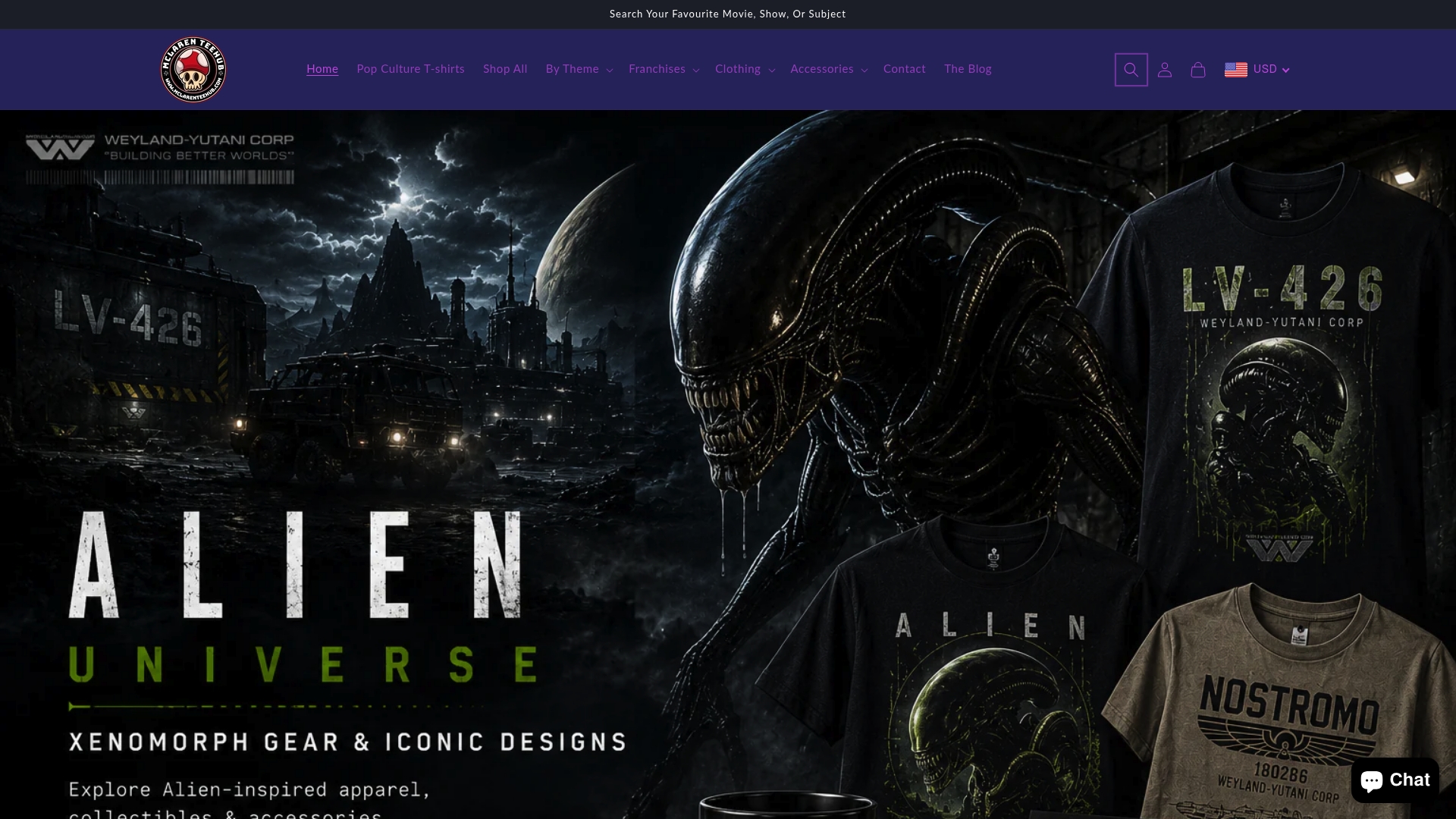
The store carries sci-fi themed mugs, t-shirts, and hoodies built around the kind of specific, irreverent references that fans recognize instantly. Think an alien love mug for the fan who’s seen Alien more times than they can count, or a Facehugger coffee mug that doubles as a conversation starter. The aesthetic is high-contrast, a little edgy, and designed for fans who want their merch to say something specific. Browse the full collection at mclarenteehub.com and find the piece that fits your fandom.
Key Takeaways
Sci-fi genre merchandise spans three tiers: authentic artifacts, mass-market fan goods, and collectors’ pieces, each serving a distinct audience and purpose.
| Point | Details |
|---|---|
| Three merchandise tiers | Authentic artifacts, mass-market fan items, and collectors’ pieces each serve different buyers and budgets. |
| Franchise dominance | Star Wars, Star Trek, Doctor Who, Blade Runner, and Back to the Future drive the largest share of U.S. sci-fi merchandise. |
| Availability as a test | Widely available items are mass-market; limited runs and official replicas qualify as collectibles. |
| Fan apparel as entry point | T-shirts, hoodies, and mugs are where most fans start, using merchandise to signal fandom identity. |
| Mclarenteehub | Offers sci-fi themed apparel and gifts with bold, specific designs for fans who want more than a generic logo tee. |
Recommended
- Types of Fan Merchandise: The Complete Fan’s Guide – McLaren Tee Hub
- Best Sci-Fi Fan Gifts 2026 | Retro Horror & Alien Movie T-Shirts | McLaren Tee Hub – McLaren Tee Hub
- What Is Pop Culture Merchandise? A Collector’s Guide – McLaren Tee Hub
- How Fandoms Influence Merchandise Trends in 2026 – McLaren Tee Hub