

How Crossover Films Create Merch Hype That Sells
TL;DR:
- Crossover films unite multiple fanbases and create merchandise hype through limited availability and cultural collaborations.
- Fan participation and lifestyle-oriented products extend the hype beyond the theatrical window into daily life.
Crossover films are defined as productions that merge characters, storylines, or universes from two or more separate franchises to create a single shared event. This structure is the primary engine behind how crossover films create merch hype, because it combines multiple fanbases into one buying audience at the exact moment emotional investment peaks. The global movie merchandising market is projected to reach $280 billion by 2026. That number reflects a fundamental shift: fans no longer just watch films, they wear them, drink from them, and display them. Exclusivity, scarcity, and cultural participation are the three forces that turn a movie release into a merchandise event.
How crossover films create merch hype through audience expansion
Crossover films expand the potential buyer pool before a single product ships. When two franchises merge, each brings its own dedicated fanbase. Those fans arrive with existing emotional investment, and the crossover gives them a new shared identity to express through purchases.
The mechanism works because fans form attachments to multiple universes simultaneously. A viewer who loves both franchises involved in a crossover does not simply add the two fanbases together. The overlap creates a new, intensified identity. That identity demands expression, and merchandise is the most direct way to signal it publicly.
Demographic diversity is another direct benefit. Crossover films routinely pull in age groups, genders, and cultural communities that a single franchise would never reach alone. Family-oriented blockbusters like Paw Patrol and Spider-Man titles command over 86% of tracked merchandise sales, largely because they appeal across generations simultaneously. That cross-generational pull is exactly what a well-executed crossover replicates by design.
The sustained engagement factor matters just as much as the opening weekend spike. Crossover events generate ongoing conversation, fan theories, and social media activity that keep merchandise visible for months after release. The key drivers of that expanded audience include:
- Fanbase overlap: Fans of both source franchises become a unified, highly motivated buyer group.
- Emotional amplification: Seeing beloved characters share a screen intensifies attachment to both properties.
- Demographic reach: Crossovers attract wider age ranges and cultural communities than single-franchise films.
- Extended conversation: Speculation and debate keep the film and its merchandise in public view long after release.
What merchandise strategies create urgency for crossover film merch?
Scarcity is the most reliable tool in crossover merchandise marketing. Limited-run products with hard deadlines force fans to decide quickly, which converts passive interest into active purchases. The Resident Evil x BABYMETAL collaboration in 2026 used a strict one-month pre-order window with a June 26 cutoff. That deadline transformed the product from a casual purchase into a timed cultural event.
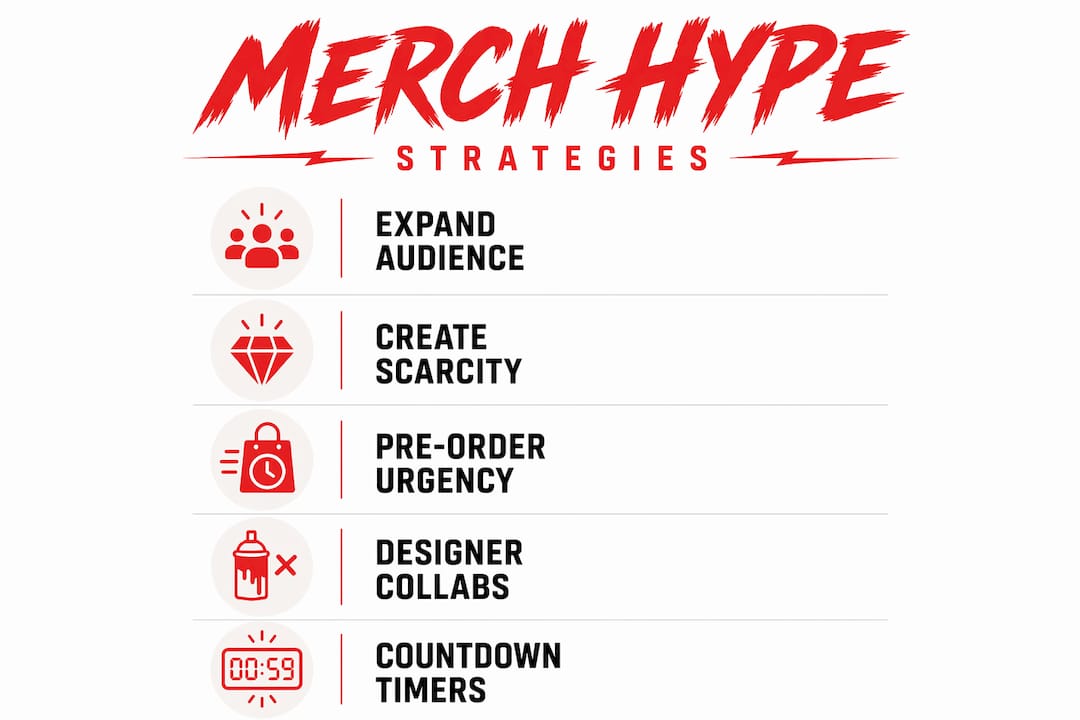
Pre-order windows serve a second purpose beyond urgency. They generate social proof before the product even exists. Fans who pre-order share their decision publicly, which signals to their networks that this item is worth having. That social signal recruits new buyers who would otherwise have ignored the release.
Designer collaborations add a layer of cultural capital that generic branded merchandise cannot replicate. Collaborations with buzzy designers and limited capsule runs elevate merch into fashion moments, amplifying hype well beyond typical collectibles. A24 has built an entire brand identity around this approach, treating each merch drop as a fashion event rather than a film tie-in.
The contrast between standard and crossover merchandise strategies is significant.
| Feature | Standard film merch | Crossover merch strategy |
|---|---|---|
| Availability | Ongoing, wide retail | Limited run, strict window |
| Design approach | Branded logo products | Designer collaborations, capsule drops |
| Audience target | Single fanbase | Multiple overlapping fanbases |
| Social function | Souvenir | Cultural identity signal |
| Hype mechanism | Film marketing | Scarcity plus community participation |
Pro Tip: Set a visible countdown on any pre-order page. Fans who can see the deadline ticking respond faster than those who read a date in text.
How does lifestyle integration increase crossover merch appeal?
Merchandise that fans use every day outlasts the theatrical run. A graphic tee worn to work, a mug used every morning, or a hoodie worn on weekends keeps the film present in daily life for years. 71% of top-performing films had leading merchandise products in practical categories: apparel at 43%, home items at 14%, and baby products at 14%. That data confirms fans prefer products they can actually use over items that sit on a shelf.

The “kidult” phenomenon drives much of this trend. Adult fans who grew up with certain franchises now have disposable income and a desire to express nostalgia through everyday objects. Crossover films tap directly into this by combining a childhood property with a current cultural moment. The result is a product that feels both nostalgic and current at the same time.
Toy merchandise still accounts for 29% of top products in some franchises, but practical items now hold higher overall market share. That shift reflects a maturing fan culture that wants immersion, not just display. The most successful crossover merch campaigns recognize this and lead with apparel, drinkware, and home goods rather than collectibles.
The practical categories that consistently lead crossover merch sales include:
- Apparel: T-shirts and hoodies that work as everyday clothing, not just fan costumes.
- Drinkware: Mugs and bottles used daily, keeping the film present in routine moments.
- Home goods: Prints, pillows, and décor that integrate fandom into living spaces.
- Baby and family items: Products that extend the fanbase to the next generation.
Pro Tip: Design merch around daily rituals. A mug used every morning creates more brand impressions per year than a poster that gets hung once. Check out minimalist film shirts that function as genuine wardrobe pieces, not just fan gear.
What role does fan participation play in amplifying merch hype?
Fan participation is not a bonus feature of crossover merch marketing. It is the core mechanism. High-quality user-generated content paired with algorithmic amplification turns attention peaks into purchase intent. When fans post unboxings, styling photos, or reaction videos, they create free advertising that reaches audiences the studio never targeted directly.
The attention economy framework explains why this works. Studios that treat consumer attention as the product itself shift from informative campaigns toward participatory, ambiguous, and performance-based fan experiences. Teaser leaks, fragment-based storytelling, and deliberately incomplete marketing materials invite fans to fill in the gaps. That speculation generates organic content at scale.
Allowing fans to speculate, participate, and engage with fragmented marketing campaigns creates organic hype and solidifies consumer buying intent far more effectively than direct advertising.
The Journal of Innovation and Development research on Marvel superhero merchandise confirms this pattern. UGC and participatory marketing directly boost merchandise sales by sustaining attention between announcement and release. The gap between announcement and availability is where hype either builds or collapses.
Campaigns that treat merch drops as participatory cultural events rather than simple product launches consistently outperform traditional retail approaches. The strategies that generate the strongest fan-driven amplification include:
- Teaser drops: Releasing partial product images to trigger speculation and sharing.
- Community challenges: Inviting fans to style, customize, or photograph products for social sharing.
- Fragment storytelling: Revealing product details across multiple platforms to reward engaged fans.
- Limited access previews: Giving fan communities early access before general release to create insider status.
Animated movie merch follows the same participation playbook, with community engagement driving sustained sales well past the theatrical window.
Key Takeaways
Crossover films generate merchandise hype by merging fanbases, creating scarcity through limited runs, and designing products that integrate into daily life rather than sitting on shelves.
| Point | Details |
|---|---|
| Audience expansion drives demand | Combining two fanbases creates a larger, more motivated buyer group than either franchise alone. |
| Scarcity converts interest to sales | Strict pre-order windows and limited runs force fast decisions and generate social proof. |
| Lifestyle products outperform collectibles | Apparel leads at 43% of top merch categories because fans use it daily, not just display it. |
| Fan participation amplifies reach | UGC and participatory campaigns extend hype organically beyond paid advertising. |
| Designer collaborations add cultural value | Capsule drops with recognized designers turn merch into fashion events with social cachet. |
Why crossover merch has become a cultural language of its own
I have watched the merch conversation shift dramatically over the past several years. What used to be a straightforward licensing exercise, slap a logo on a t-shirt and ship it, has become something far more interesting and far more demanding.
The fans I pay attention to are not buying crossover merchandise because they want a souvenir. They are buying it because it signals something about who they are and what communities they belong to. A limited-run tee from a crossover drop is not just clothing. It is proof of presence at a cultural moment. That is a fundamentally different transaction than buying a poster.
What strikes me most is how the hype cycle now requires active participation from the brand side. Studios and retailers that release merch passively, without pre-order windows, without community teases, without any scarcity signal, consistently underperform. The merch as cultural participation model is not optional anymore. It is the baseline expectation.
The challenge going forward is authenticity. Fans are sophisticated enough to recognize manufactured scarcity from genuine limited production. The crossover campaigns that will win in the next few years are the ones that build real community investment before the product even exists. That means treating the announcement as the first product, not the film itself.
— Nicholas
Mclarenteehub’s crossover-inspired merch for everyday fans
Mclarenteehub carries the kind of pop culture merchandise that actually fits into your daily routine rather than collecting dust.
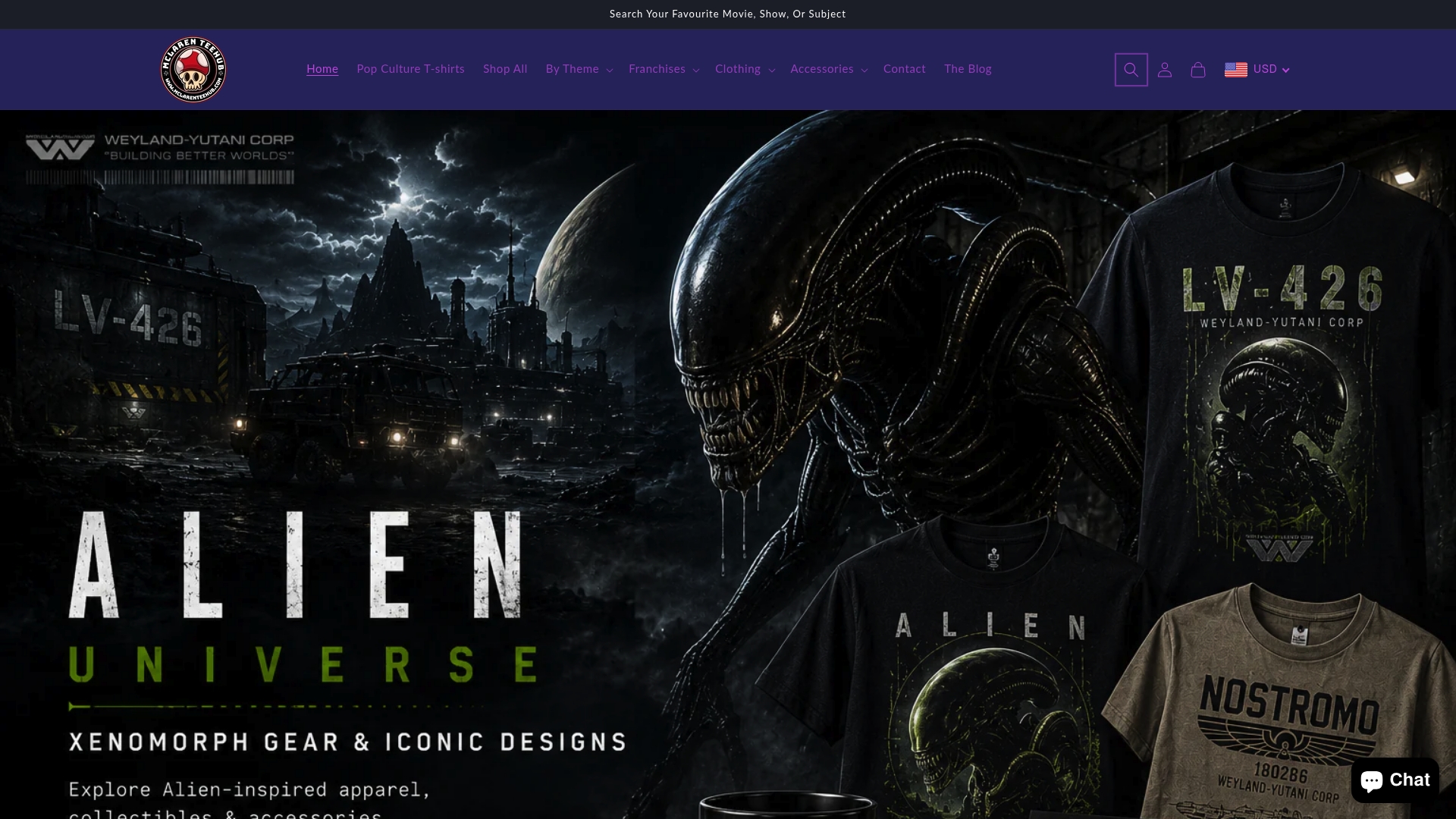
The Brainwashed Black Glossy Mug is a strong example of this approach: retro graphic design, daily utility, and the kind of visual identity that crossover fans recognize immediately. Mclarenteehub stocks graphic tees, hoodies, mugs, and gifts built around the same principle that drives the best crossover merch campaigns. Products should work as lifestyle pieces, not just fan signals. If you want merch that holds up beyond opening weekend, browse the full collection and find something worth wearing every day. For gift ideas that match this same pop culture energy, movie lover gifts from vetted pop culture retailers are worth exploring too.
FAQ
How do crossover films create merch hype?
Crossover films merge multiple fanbases into one buying audience at peak emotional investment, then use scarcity tactics like limited pre-order windows and designer collaborations to convert that excitement into fast merchandise sales.
What types of merchandise sell best for crossover films?
Apparel leads at 43% of top merchandise categories, followed by home items and baby products, because fans prefer products they use daily over pure collectibles.
Why does limited-run merch generate more hype than standard releases?
Strict availability windows create urgency and social proof. Fans who pre-order share their decision publicly, which recruits new buyers and signals cultural relevance to wider audiences.
How does fan-generated content affect crossover merch sales?
User-generated content paired with algorithmic amplification turns attention peaks into purchase intent, as confirmed by research on Marvel superhero merchandise campaigns in the attention economy.
What makes crossover merch different from standard film merchandise?
Crossover merch targets multiple overlapping fanbases simultaneously, uses designer collaborations for cultural capital, and functions as a social identity signal rather than a simple branded souvenir.