

Merch Sellers: Choose DTF or DTG by Fabric, 80% Rule
If softness on cotton is the priority, DTG wins. If you need bright color on dark or mixed fabrics, or you want transfers ready to press on demand, DTF is the better call. DTG (direct-to-garment) suits soft, photo-detail prints on 100% cotton; DTF (direct-to-film) suits batch production, dark garments, and fabric variety.
TL;DR:
- DTF offers superior versatility for different fabrics, including polyester and blends, with consistent bright color on dark and mixed garments.
- DTG provides a softer hand feel suitable for pure cotton, but requires pretreatment and daily maintenance to prevent issues like clogging.
- DTF’s batching capability allows printing and storing transfers for later pressing, making it ideal for unpredictable order schedules.
- Wash durability favors DTF on synthetic and mixed fabrics, while both methods can last over multiple washes if properly cured.
- The choice depends on your fabric focus: DTG is better for cotton-heavy, soft designs, while DTF suits wider fabric ranges and bulk production needs.
Table of Contents
- What Is DTG Printing and How Does It Work?
- What Is DTF Printing and How Does It Work?
- DTF vs DTG: A Side-by-Side Comparison
- How to Choose Between DTF and DTG: A Buying Checklist
- Production and Cost Considerations for Each Method
- How Long Do DTG and DTF Prints Actually Last?
- When Should You Use DTG vs DTF?
- Who’s Behind This Guide
- Get Your Design Printed the Right Way
- An Editorial Take on Merch-First Printing Decisions
- Sources
- FAQ
What Is DTG Printing and How Does It Work?
DTG printing works like an inkjet printer aimed at a T-shirt instead of paper. A specialized printer sprays water-based ink directly into the fabric fibers, which is why the print becomes part of the shirt rather than a layer sitting on top of it.
Dark garments need an extra step first. Because DTG ink is largely transparent, printers lay down a white ink underbase before the colors go on, and that underbase has to be even or the final print looks patchy. This pretreatment stage is finicky. Spray it too heavy and the shirt feels stiff or the fabric stains; spray it too light and the colors look dull once cured.
That fiber-soaking process is also why DTG prints feel softer to the touch than most other print methods. You run a finger over the design and mostly you feel the shirt, not the ink. That matters more than people expect for anyone building a retail line where a customer’s first physical impression of the product happens the moment they touch it in a photo review or unboxing video.
DTG has real constraints worth knowing before you commit to it:
- Garments print one at a time, so there’s no ganging multiple designs into one run
- Every dark-colored shirt needs pretreatment and a curing step before and after printing
- Printheads clog if they sit idle, which means regular maintenance cycles even on slow weeks
- Cotton is the sweet spot; performance blends and full polyester don’t take the ink the same way
What Is DTF Printing and How Does It Work?
DTF flips the DTG process around. Instead of printing on the garment, you print the design onto a roll of PET film, dust it with a hot melt adhesive powder while the ink is still wet, cure it, then heat-press the finished transfer onto whatever you’re decorating.
That order of operations changes everything downstream. Because the design never touches the garment during printing, there’s no pretreatment step and no white-ink balancing act. The film carries its own opaque backing, so color shows up bright on black hoodies the same way it does on a white tee. It also means the same transfer works across cotton, polyester, blends, and even nylon without changing your workflow.
The batching advantage is significant for anyone running a shop with unpredictable order timing. You can print and cure a stack of transfers on a slow Tuesday, then heat-press them onto shirts, hats, or tote bags whenever orders actually come in. Nothing about that transfer needs refrigeration or urgency.
Key mechanics to know:
- The film and adhesive powder sit on top of the fabric rather than soaking into it
- No pretreatment means faster prep, but curing the wet adhesive is a mandatory step you can’t skip
- Transfers can be printed in bulk, stored, and pressed later, which supports pop-up events and markets
- The adhesive layer trades some breathability and softness for that fabric flexibility
DTF vs DTG: A Side-by-Side Comparison
The two methods split cleanly along a few practical lines, and the fabric question usually settles the decision before cost even enters the conversation.
| Factor | DTG | DTF |
|---|---|---|
| Fabric compatibility | Best on 100% cotton | Works across cotton, poly, blends, nylon |
| Hand feel | Soft, soaks into fabric | Slight film layer, stiffer on large solids |
| Color on dark garments | Needs white underbase, can be tricky | Bright and consistent, film is opaque |
| Durability tendency | Can fade with heavy washing over time | More prone to cracking or peeling if under-cured |
| Production workflow | One garment at a time | Batchable; transfers can be pressed later |
| Cost drivers | Pretreatment, white ink, cleaning cycles | Film, powder, press time, curing equipment |
A few things stand out once you line these up side by side:
- Fabric range decides more outcomes than any other variable. DTG’s cotton requirement rules it out immediately for anyone selling poly blends, athletic wear, or hats.
- Durability failure modes are different, not just different in degree. DTG problems tend to show up as fading; DTF problems tend to show up as the transfer edge lifting or cracking.
- Batch flexibility only matters if your order volume is unpredictable. A shop with steady daily orders gets less benefit from DTF’s stockpile-and-press model than a seasonal or event-based seller does.
Wash-life estimates favor DTF on mixed fabrics. Reported comparisons put DTF transfers ahead of DTG in wash durability when curing and press temperatures are done correctly, particularly on synthetic and blended garments where DTG ink has less fiber to bind to in the first place.
How to Choose Between DTF and DTG: A Buying Checklist
Start with the fabric you print most, not the price sheet. If you’re pushing crew-neck cotton tees, DTG is the natural fit. If your catalog spans hoodies, hats, tote bags, and dark colorways, DTF’s flexibility saves you from running two separate production setups.
Work through these questions before you commit to either method:
- What fabric makes up 80% or more of your orders? Cotton points to DTG; anything mixed points to DTF.
- Do you need to hold pressed inventory or print on demand? DTF transfers can sit ready to press; DTG output can’t be banked the same way.
- What’s your per-print budget after consumables? Dark-garment DTG runs cost more once you factor in pretreatment fluid and white ink, while DTF’s film and powder costs stay steadier across colors.
- Can the supplier show you a wash test? Ask for a sample that’s been through 20 or more wash cycles, not a fresh-off-the-press photo.
- What curing temperature and dwell time does the shop actually run? Vague answers here predict cracking, peeling, or fading down the road.
Watch for a few red flags when vetting a print shop or deciding to bring equipment in house: no documented curing specs, no willingness to send a washed sample, and white ink that looks gray or chalky on a test print. Any one of those is a sign the process isn’t dialed in yet.
Pro Tip: Ask for a sample printed on the exact fabric blend you plan to sell, not a generic cotton test swatch. A shirt that looks perfect on 100% cotton can behave very differently on a 50/50 blend once you wash it.
If you’re building out a product line and want a sense of how print quality should look before you approve a run, this guide to judging print-on-demand quality walks through what to check first.
Production and Cost Considerations for Each Method
Equipment cost is where the two paths diverge most for a small operation. Entry-level DTF bundles commonly start in the low thousands, while production-grade DTG systems typically land in a higher price range once you add a proper curing unit.
Day-to-day operating costs tell a similar story:
- DTF setups need a heat press, a curing oven or dryer, and space to store film rolls and powder containers
- DTG systems need consistent printhead maintenance, since dried ink in the nozzles is a common failure point on machines that sit idle between jobs
- Dark-garment orders raise DTG’s per-print cost noticeably because of the pretreatment fluid and heavier white-ink use
- DTF workflows carry their own upkeep burden, including daily powder handling and periodic head cleaning to keep adhesive residue from building up
Floor space matters too. A DTF setup at production scale needs room for a shaker or oven dryer running continuously, which pushes power draw and ventilation planning higher than most home studios expect going in.
How Long Do DTG and DTF Prints Actually Last?
Wash life depends heavily on cure quality for both methods, but the failure patterns differ. DTG prints that were under-cured tend to fade or crack after repeated washes as the ink loosens from the fibers. DTF transfers that were pressed too hot, too cold, or too briefly tend to lift at the edges or crack across large solid areas first.
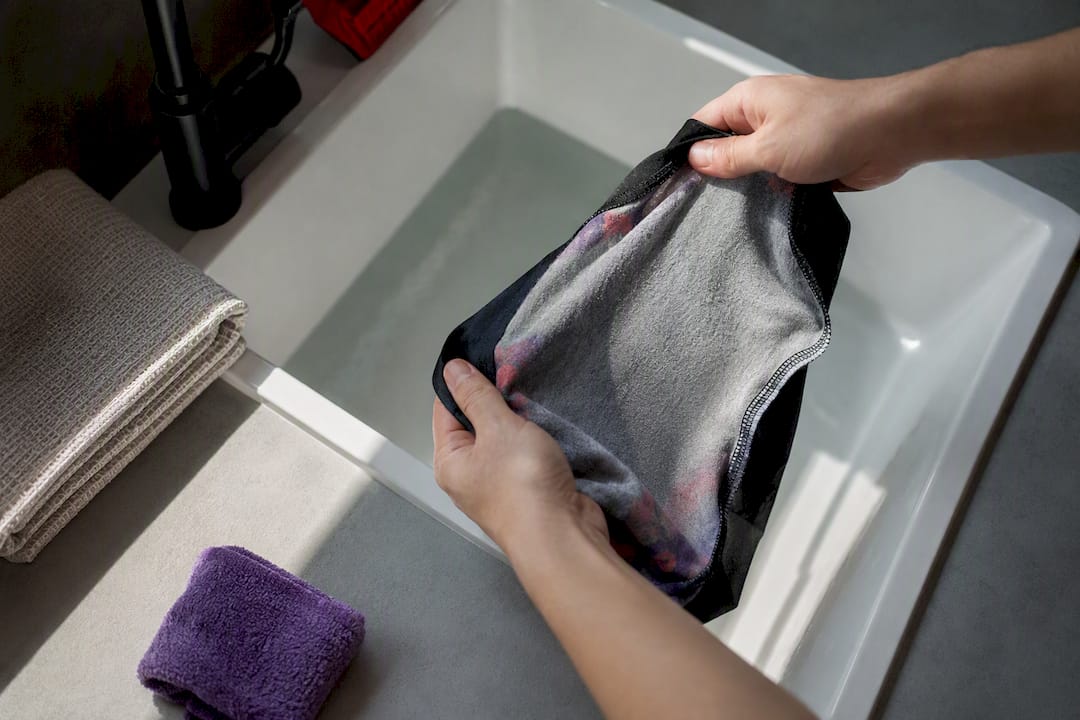
On fabrics that aren’t pure cotton, DTF transfers tend to outlast DTG prints in wash testing, largely because DTG has less fiber to bond with on synthetic blends.
Care habits extend either method’s life: wash garments inside out, use cold water, skip the dryer’s high-heat setting, and avoid ironing directly over a printed area.
When Should You Use DTG vs DTF?
Match the method to the actual product and order type in front of you, not to whichever machine you already own.
- DTG fits premium soft-cotton retail tees, photo-realistic art with lots of shading, and small orders where softness is the selling point
- DTF fits mixed-fabric orders, dark hoodies and hats, pop-up markets where transfers get pressed on site, and small crisp logos needing sharp registration
- Screen printing can beat both on very large runs of a single design, where per-unit cost drops fast at volume
- Sublimation works better than either when you’re printing all-over designs on polyester, since the ink becomes part of the fiber itself rather than sitting on the surface
If you’re deciding between garment types for a new design, this style guide to graphic tee cuts and fits is worth a look before you lock in a print method.
Who’s Behind This Guide
This guide comes from an online store built around pop culture apparel, from graphic tees to hoodies to mugs, produced through print-on-demand and shipped worldwide. Sourcing and quality-checking designs across fabric types day in and day out gives a shop like this a working sense of where DTG and DTF each hold up and where they don’t.
Nicholas covers merch production and print-on-demand topics for the site. For related reading, see the breakdown on tri-blend versus cotton fabric feel and the print-ready file size guide for designers prepping artwork for either method.
Get Your Design Printed the Right Way
Once you’ve settled the fabric question, the next step is putting a design on something you’ll actually wear or sell. Mclarenteehub’s Pop Culture T-shirts collection runs on prints built for durability and color, and the same design logic extends to the hoodies and sweatshirts line for anyone stocking heavier layers. If you’re expanding past apparel, the mugs, coffee cups, and water bottles line shows how print choices shift once the substrate isn’t fabric at all. For a look at how other shops merchandise printed tees, Joy&Paddling’s printed T-shirt collection is a useful outside reference point.
An Editorial Take on Merch-First Printing Decisions
Most guides to DTF vs DTG treat this like a technology debate, weighing ink chemistry and machine specs as if the reader is buying a printer. For the vast majority of small sellers and creators, it isn’t that at all. It’s a fabric and inventory question wearing a technical costume.
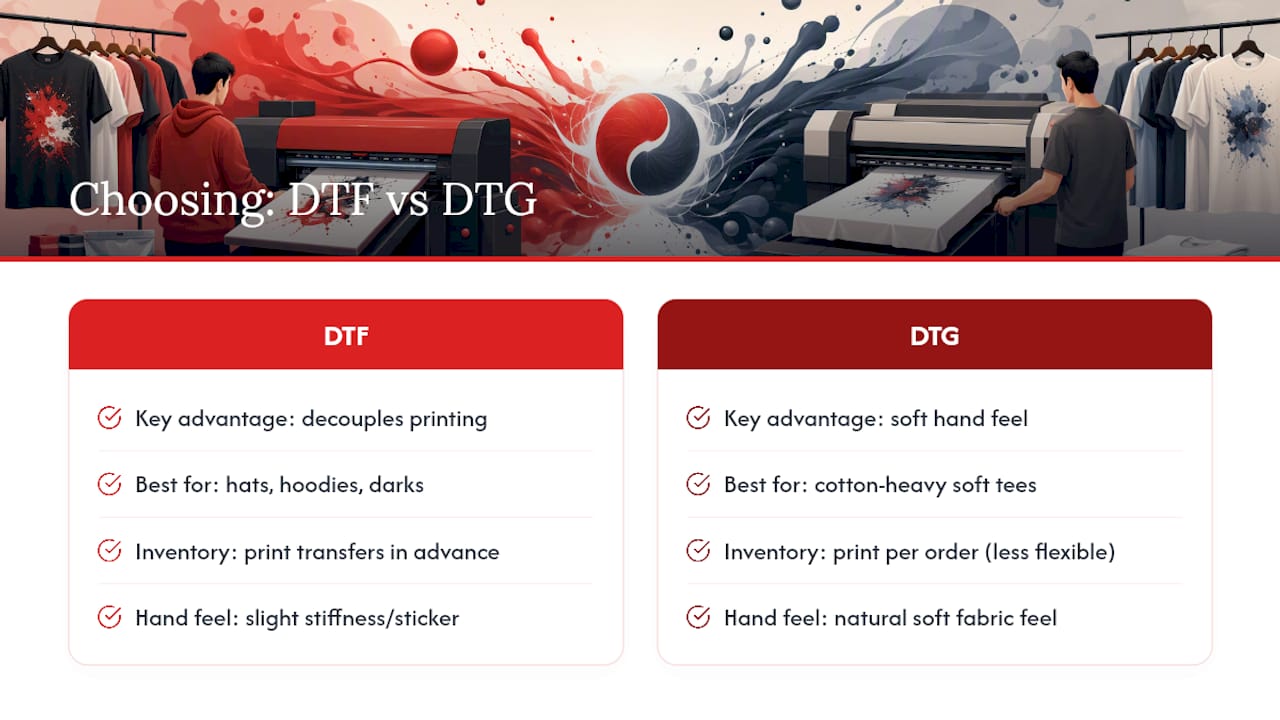
The overlooked point is that DTF’s real advantage isn’t color vibrancy, it’s the ability to decouple printing from selling. You can print a stack of transfers during a slow week and press them the moment an order lands or a market opens. That flexibility matters more to a part-time seller juggling a day job than any spec sheet comparison.
Where conventional advice falls short is treating hand feel as a minor detail. It isn’t. A customer who buys a soft cotton tee and gets something that feels like a sticker on their chest will leave a bad review even if the colors are perfect. If your catalog is cotton-heavy and softness is the pitch, DTG earns its higher per-unit hassle. If your catalog spans hats, hoodies, and dark colors, don’t fight DTF’s slight stiffness. Fight the fabric mismatch instead, because that’s the actual problem most sellers are solving for.
— Nicholas
Sources
FAQ
Which Is Better, DTG or DTF?
Neither wins outright. DTG is better for soft prints on 100% cotton, while DTF handles more fabric types and dark garments better, so the right answer depends on what you’re printing on.
Does DTF Last Longer Than DTG?
On mixed and synthetic fabrics, DTF often shows better wash durability than DTG in comparison testing. On pure cotton with proper curing, both methods can hold up well over dozens of washes.
Does DTF or DTG Feel Better on the Skin?
DTG feels softer because the ink soaks into the fabric fibers instead of sitting on top. DTF can feel slightly stiffer, especially on large solid-color designs, since the transfer forms a thin film over the garment.
What Are the Disadvantages of DTF Printing?
DTF requires curing equipment, adhesive powder handling, and daily maintenance to avoid buildup on the press and printer. It can also feel stiffer than DTG on big solid-color areas, and poor curing leads to cracking or peeling faster than a properly cured DTG print would fade.
Is DTF or DTG Cheaper for Small Orders?
Costs depend on garment color and fabric. Dark-garment DTG orders typically cost more due to pretreatment and white ink, while DTF’s film and powder costs stay more consistent regardless of color or fabric type.