

How Fandoms Influence Merchandise Trends in 2026
TL;DR:
- Fans now influence merchandise design, timing, and sales through active community participation and loyalty.
- Merchandise sales driven by fandom demand reached nearly $390 billion in 2025, showing rapid industry growth.
Fandoms are the single most powerful force shaping merchandise trends in the modern pop culture economy. Understanding how fandoms influence merchandise trends means recognizing that fans no longer just buy products. They drive what gets made, when it launches, and how it sells. Global licensed merchandise sales reached $389.8 billion in 2025, with the character and entertainment segment growing 8%. That number reflects a market shaped not by brands alone, but by the collective buying power and identity of organized fan communities worldwide.
How fandoms influence merchandise trends through repeat buying
Fandom consumption is defined by one behavior that traditional retail rarely achieves: repeat purchasing driven by loyalty rather than need. Fans buy the same character on a mug, a hoodie, and a wall print because each item reinforces their identity within a community. That pattern multiplies revenue in ways that one-time buyers never can.
The clearest modern example comes from K-pop. The K-pop industry pioneered a model where fan engagement drives sales through exclusive pre-release campaigns, limited physical albums, and fan-only merchandise drops. Retailers applying this model exceeded their sales targets by 333%. That is not a rounding error. It proves that fandom-based consumption, when executed correctly, outperforms conventional retail strategy by a wide margin.
This model has expanded well beyond music. Fashion and beauty brands now run exclusive drops timed to fan moments, from album releases to film premieres. Fans participate actively by sharing unboxings, posting reviews, and creating content that amplifies the original product launch. That content reproduction builds loyalty loops that keep fans returning across multiple purchase cycles.
Pro Tip: If you collect pop culture merchandise, follow the social accounts of your favorite franchises closely. Exclusive drops often sell out within hours and are announced with little advance notice.
The fandom impact on merchandise goes deeper than volume. Fans who feel included in a release treat the product as a cultural artifact, not a commodity. That emotional attachment reduces price sensitivity and increases the chance of repeat purchases across a product line.
What is the economic scale of fandom-driven merchandise globally?
The numbers behind fandom merchandising are large enough to attract central bank attention. Japan’s fan-merchandise economy, known as oshikatsu, is worth $25 billion and growing rapidly. The Bank of Japan has studied it as a significant driver of domestic consumer spending. That is a remarkable shift for what began as a niche hobby culture.
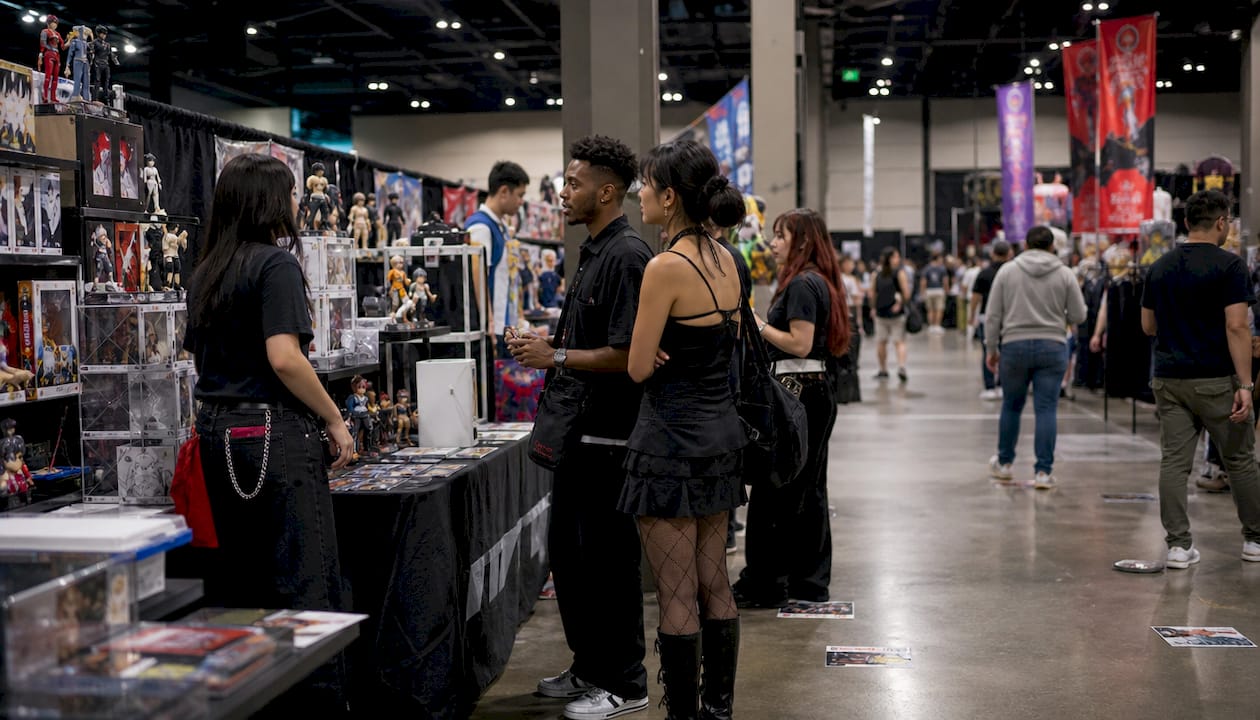
The 2026 Oshikatsu Expo drew more than 240 suppliers. That scale signals that fandom merchandise has moved from specialty shops to a full industrial supply chain. Manufacturers, logistics companies, and retailers now build entire business units around serving organized fan communities.
The rise of “kidult” collectors adds another layer to this economy. Adult collectors are the primary force driving licensed toy sales, and they influence product development directly through social media feedback and DIY customization. Licensees increasingly use fan communities to test demand before committing to mass production. Fans effectively reduce commercial risk for brands while shaping the final product.
Online retail accounts for 32% of licensed merchandise sales globally, with social commerce representing 16% of that total. Social commerce is the fastest-growing channel because it places merchandise directly inside the fan communities where demand originates. The product finds the fan, not the other way around.
| Market segment | Key figure | What it signals |
|---|---|---|
| Global licensed merchandise | $389.8B in 2025 | Fandom demand sustains a near-$400B market |
| Character/entertainment growth | 8% year-over-year | Fan categories outpace general retail |
| Japan oshikatsu economy | $25B | Fan spending is a national economic pillar |
| Online retail share | 32% of sales | Digital channels dominate fan purchasing |
| Social commerce share | 16% of online sales | Community platforms drive direct conversions |
How do product tiers align with fan buying intent?
Effective fandom merchandise catalogs are built around five distinct tiers, each matching a different fan intent. The five tiers are entry, identity, collector, seasonal, and personalized. Each tier serves a different psychological need and generates revenue in a different way.
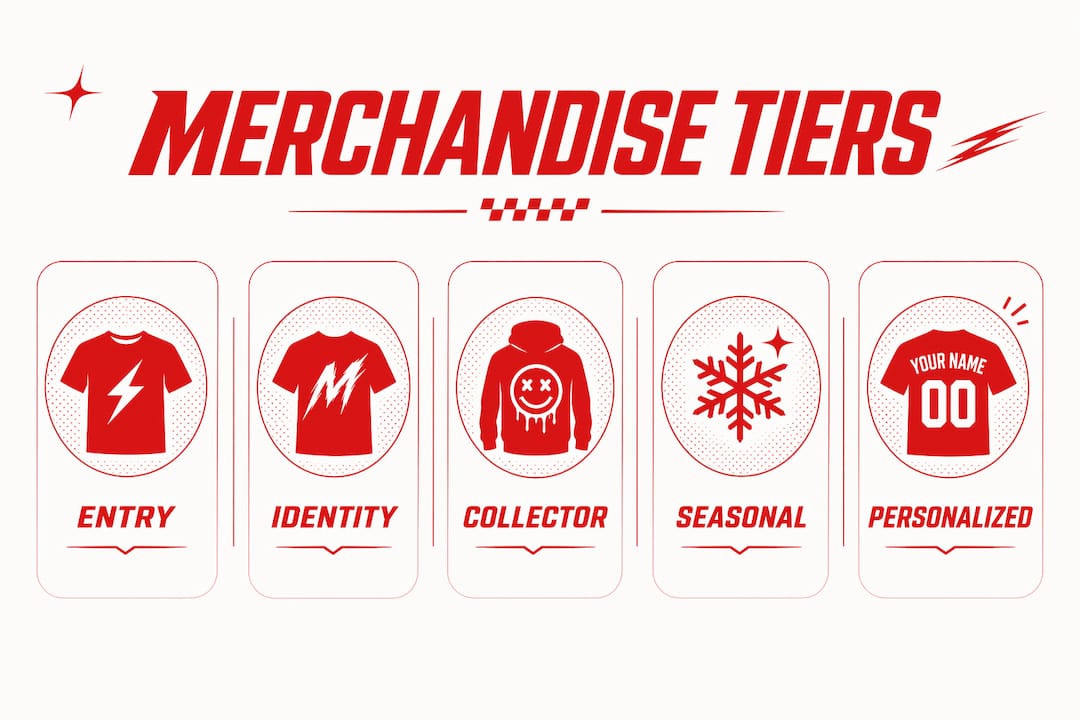
Entry-tier products, such as keychains and stickers, lower the barrier for new fans. They convert casual interest into the first purchase and introduce buyers to a brand’s product ecosystem. Identity-tier products, particularly apparel and graphic tees, are the highest-volume category because fans wear them publicly as community signals. A fan wearing a franchise shirt is both a customer and a walking advertisement.
Collector-tier items carry higher price points and lower production runs. Fans in this tier are motivated by scarcity and authenticity. Limited-edition figures, numbered prints, and signed items all fall here. Seasonal products tie releases to cultural moments, from film premieres to anniversary dates, creating urgency that drives concentrated sales spikes. Personalized products, such as custom name prints or made-to-order colorways, command the highest average order values and generate the fewest returns.
Pro Tip: Collectors should track franchise anniversary dates and film release calendars. Brands almost always time their highest-quality limited drops to these moments, and early buyers get the best selection.
Functional merchandise is gaining ground across all five tiers. Fans increasingly prefer everyday items with authentic connections to their favorite narratives, such as mugs, tote bags, and casual shirts, over purely decorative branded goods. A mug used every morning creates a daily emotional touchpoint that a shelf figurine cannot replicate. That functional closeness trend is reshaping what brands prioritize in their merchandise catalogs.
Timing releases around fan activity cycles matters as much as product design. A collector-tier drop released during a fandom’s peak cultural moment sells faster and generates more organic social sharing than the same product released in a quiet period. Brands that track fan calendars and community sentiment consistently outperform those that rely on traditional retail seasons.
How do cultural moments accelerate fandom merchandise demand?
Cultural moments now drive retail demand more reliably than seasonal cycles. A single TV scene, a viral sports moment, or a celebrity collaboration can trigger immediate purchasing behavior across an entire fan community. Retailers who cannot respond within days lose the sales window entirely.
The mechanism behind this is identity, not novelty. Fans buy merchandise tied to cultural moments because ownership signals participation in a shared experience. That is fundamentally different from buying a trending product because it is popular. Cultural commerce creates longer-lasting demand rooted in shared narrative, while microtrends fade within weeks.
Several patterns define how cultural moments shape fandom-driven merchandise demand:
- TV and film spikes: A single scene going viral can sell out related merchandise within 24 hours. Retailers with pre-positioned inventory capture the full demand curve.
- University and institutional collaborations: Licensed university merchandise tied to sports fandoms generates sustained demand across alumni communities, not just students.
- Anniversary and milestone events: Franchise anniversaries reliably trigger collector spending. Brands that plan limited releases around these dates build anticipation months in advance.
- Social media amplification: Fan-created content around a cultural moment extends the demand window beyond the initial spike, keeping products relevant for weeks.
Gen Z collectors, in particular, treat cultural relevance as a purchasing criterion. A product that connects to a moment they participated in online carries more value than a technically superior product with no cultural context. Retailers who understand this shift their planning from seasonal buying calendars to cultural event tracking.
The agility required here is significant. Brands that build cult fan loyalty through limited-run items and exclusivity generate organic social buzz that paid advertising cannot replicate. The treasure hunt strategy, where fans know a limited item exists but must act fast to secure it, creates urgency and community conversation simultaneously.
Participation-led brand partnerships take this further. When fans feel embedded in a cultural ecosystem rather than simply marketed to, their loyalty deepens beyond any single product. Belonging to the fandom becomes the product. The merchandise is just the physical proof of membership.
Key Takeaways
Fandom participation transforms merchandise from passive products into community-driven identity objects, making fan engagement the most reliable predictor of sustained merchandise sales.
| Point | Details |
|---|---|
| Fandoms drive repeat purchasing | Fans buy across multiple product categories, multiplying revenue beyond one-time buyers. |
| Cultural moments replace seasons | Retail demand now spikes around fan events, not traditional holiday or seasonal cycles. |
| Five product tiers match fan intent | Entry, identity, collector, seasonal, and personalized tiers each serve distinct fan needs. |
| Exclusivity builds deeper loyalty | Limited-run drops generate organic buzz and cult intensity that mass promotions cannot match. |
| Functional items create daily connection | Everyday products like mugs and tees outperform decorative goods in repeat engagement. |
Why the “slap-a-logo” era is over for fandom merchandise
The brands still printing a franchise logo on a generic white tee and calling it merchandise are losing ground fast. I have watched this shift accelerate over the past few years, and the evidence is consistent: fans can tell the difference between a product made for them and a product made to extract money from them.
What actually works now is matching the product to the fan’s intent at the exact moment they are most engaged. A collector in the middle of a franchise anniversary wants a numbered limited edition, not a mass-market hoodie. A new fan discovering a show for the first time wants an affordable entry point that lets them signal their interest without a major commitment. Getting that match wrong wastes both the fan’s attention and the brand’s inventory budget.
Social commerce has changed the stakes entirely. When a fan posts their purchase and it reaches thousands of community members, the product either reinforces the brand’s credibility or damages it. Cheap materials, generic designs, and lazy licensing deals get called out publicly and immediately. Brands that treat fan merchandise as an afterthought pay for it in reputation, not just sales.
The smartest approach I have seen is treating fans as co-creators rather than consumers. Boutique retailers who listen to fan input directly and adapt their product mix accordingly build the kind of loyalty that no advertising budget can buy. That is the model worth studying.
— Nicholas
Fandom-inspired merchandise worth collecting at Mclarenteehub
Pop culture collectors who want merchandise that actually reflects their fandoms, not just a logo on a blank product, will find Mclarenteehub worth exploring. The store carries graphic tees, mugs, hoodies, and gifts built around specific pop culture moments and characters.
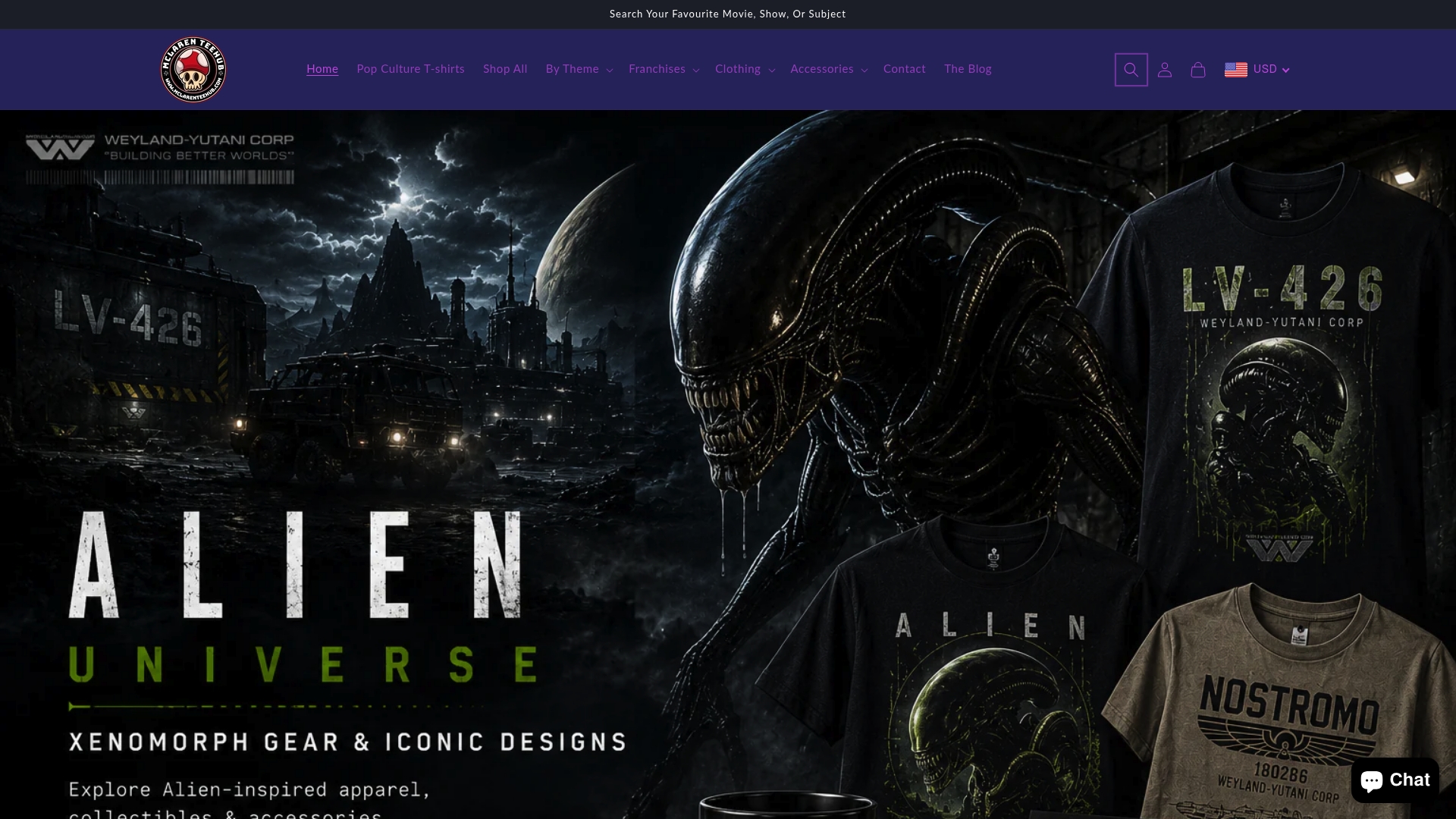
The Pulp Fiction-style graphic tee is a strong example of identity-tier merchandise done right. It references a specific cultural moment rather than a generic franchise logo. For collectors who prefer functional daily items, the Facehugger coffee mug delivers that everyday touchpoint with a design that signals genuine fandom knowledge. Mclarenteehub’s catalog spans entry-level gifts to collector-grade pieces, matching the full range of fan intent discussed throughout this article.
FAQ
How do fandoms influence merchandise trends?
Fandoms drive merchandise trends by creating repeat demand through community identity and active participation. Fan engagement, particularly around cultural moments and exclusive drops, consistently outperforms traditional retail demand signals.
What is fandom-driven merchandise?
Fandom-driven merchandise is any product designed and timed to match the purchasing intent of an organized fan community. It ranges from entry-level items like stickers to collector-grade limited editions tied to specific cultural moments.
Why do limited-edition drops sell so well in fan communities?
Limited-edition drops trigger urgency and community conversation simultaneously, a pattern known as the treasure hunt strategy. Fans who secure rare items gain social currency within their community, which motivates fast purchasing behavior.
What are the five product tiers in fandom merchandising?
The five tiers are entry, identity, collector, seasonal, and personalized. Each tier serves a distinct fan intent, from first-time buyers seeking affordable items to dedicated collectors pursuing scarce, high-value pieces.
How large is the global fandom merchandise market?
Global licensed merchandise sales reached $389.8 billion in 2025, with the character and entertainment segment growing 8% year-over-year. Japan’s oshikatsu fan economy alone accounts for $25 billion of that total.