

Skip the Five Figure Trap: Sublimation vs DTG for Small Shops
Sublimation wins for polyester, all-over designs, and hard goods like mugs; DTG wins for cotton tees, detailed artwork, and dark garments that need a white underbase. If your orders span both, direct-to-film (DTF) transfers often fill the gap since they skip pretreatment and stick to almost any fabric or color.
TL;DR:
- Sublimation is limited to polyester fabrics and cannot print on dark garments, requiring direct bonding of dye to fibers at high heat.
- DTG costs significantly more upfront, necessitating investments of $8,000 or more, but offers better compatibility with cotton and dark fabrics using white underbase.
- Batch size influences costs, as sublimation becomes more economical with volume, while DTG maintains consistent per-unit costs regardless of order size.
- Durability favors sublimation, since dye becomes part of the fabric, whereas DTG’s longevity depends on precise pretreatment and curing steps.
- For low-volume or one-off orders, outsourcing is often more practical than investing in expensive equipment or maintenance.
Table of Contents
- Sublimation vs. DTG at a Glance
- How Sublimation and DTG Actually Print
- Picking the Right Fabric for Each Method
- Which Print Lasts Longer and Feels Better
- What Sublimation and DTG Actually Cost to Run
- How to Choose Between Sublimation and DTG
- What Most Sellers Get Wrong About Print Method Selection
- Skip the Equipment and Get the Print Done Right
- Sources
- FAQ
Sublimation vs. DTG at a Glance
Fabric decides almost everything here. Sublimation dye only bonds to polyester, while DTG ink needs cotton fibers to grip properly. Everything else, cost, feel, durability, flows from that one fact.
| Factor | Sublimation | DTG |
|---|---|---|
| Best fabric | 100% polyester, poly-coated hard goods | Cotton, cotton-rich blends |
| Dark garment support | None (no white ink) | Yes, with white underbase |
| Print feel | Zero hand, dye is inside the fiber | Soft on cotton, varies with curing |
| Entry equipment cost | Roughly $400 to $800 for printer plus press | Commercial setups often run $8,000 to $15,000+ |
| Best use cases | Jerseys, all-over tees, mugs, signage | Custom cotton tees, photo-detail art, small runs |
A few things jump out once you see it laid side by side:
- Sublimation cannot print on dark fabric at all, since there’s no opaque white in the process, so any black or navy order rules it out immediately.
- DTG’s equipment gap is enormous compared to sublimation. A hobbyist can start sublimating for a few hundred dollars; a real DTG operation is a business decision, not a hobby purchase.
- Sublimation has no “hand,” meaning the design becomes part of the shirt. DTG always sits slightly on top of cotton fibers, even after good curing.
- On a per-unit basis, sublimation costs tend to drop as batch size grows, while DTG ink costs stay flat no matter how many shirts you run, cutting into margins on large orders.
Quick fact: entry-level sublimation hardware can cost under $1,000, while a production-grade DTG system typically starts in the five-figure range. That gap alone drives most small-shop decisions before fabric even enters the conversation.
How Sublimation and DTG Actually Print
These two methods aren’t variations on the same idea. They’re chemically different processes that happen to end up on the same T-shirt rack.
Sublimation starts with disperse dye printed onto special transfer paper. Under heat and pressure, roughly 400°F for around a minute, that dye converts from solid to gas without ever becoming liquid. The gas then penetrates polyester fibers or a polymer coating and re-solidifies once it cools, permanently locking the color into the material itself rather than sitting on top of it.
DTG works closer to how a desktop inkjet handles paper, just with water-based pigment ink and a fabric target. The printer lays pretreatment solution on the garment first, which helps ink bond to cotton fibers instead of soaking in unevenly. For dark shirts, the printer lays a white ink underbase before the color layer goes down, since pigment ink alone won’t show up on black cotton. A heat cure then sets the ink so it survives washing.
- Sublimation: disperse dye becomes gas, gas bonds into polyester fiber, no surface layer remains.
- DTG: pigment ink sits in and on cotton fiber, requires pretreat plus cure, needs a white base for dark colors.
That difference in chemistry is why you can’t just swap one process for the other. Sublimation ink on a cotton shirt has no polyester to bond with, so it washes out fast. DTG ink on 100% polyester tends to crack or peel because the fiber doesn’t absorb pigment the way it absorbs pretreatment on cotton.
Picking the Right Fabric for Each Method
Fabric compatibility is the single biggest factor separating sublimation vs DTG printing, and it’s the first question worth answering before touching any equipment or vendor.
Sublimation works reliably on:
- 100% polyester fabric
- High-poly blends, generally 65% polyester or higher
- Polymer-coated hard goods: mugs, phone cases, aluminum panels, some ceramic tile
DTG works reliably on:
- 100% cotton
- Cotton-rich blends, often tested case by case above certain poly ratios
- Some poly blends, but only after test prints confirm ink adhesion
Blend percentage matters more than most sellers realize. Push sublimation onto a 50/50 cotton-poly blend and the image looks faded and grainy, because only half the fibers can actually accept the dye. The same logic works in reverse: DTG ink on high-poly fabric tends to sit loosely on the surface and crack under stress since cotton fibers aren’t there to hold it. If you’re unsure which side of that line your fabric falls on, our cotton vs. tri-blend comparison breaks down blend behavior in more depth.
When an order mixes dark colors with cotton or blended fabric, DTF transfers often solve the problem neither sublimation nor DTG can handle alone, since the film transfer sits on top of virtually any fabric or color without pretreatment.
Which Print Lasts Longer and Feels Better
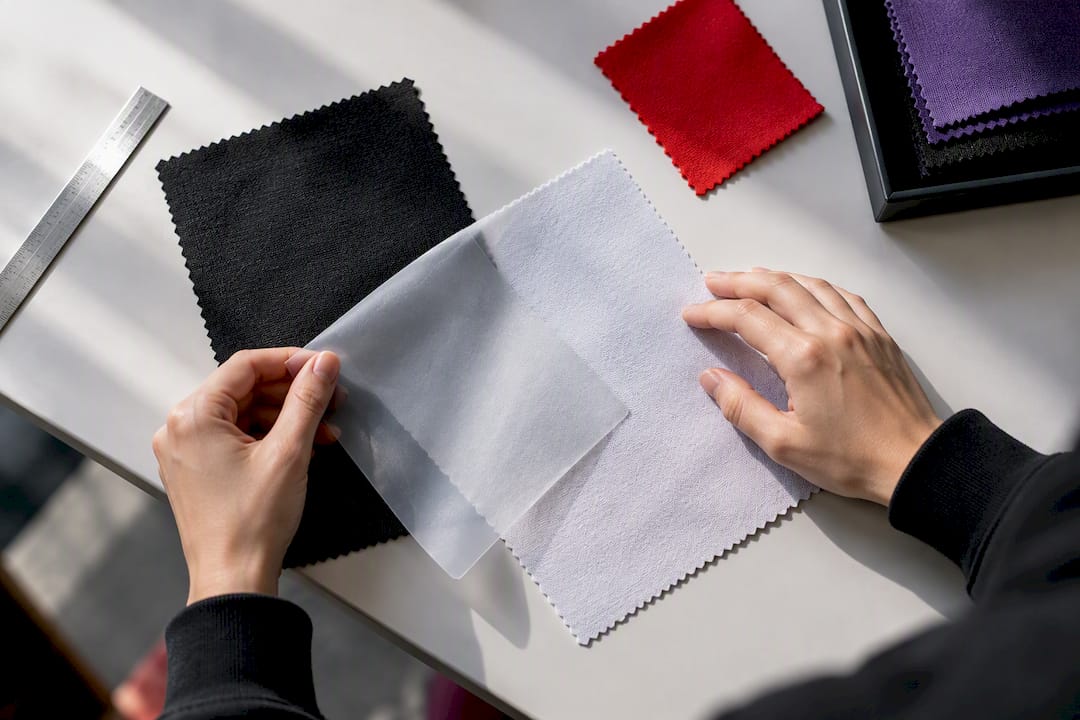
Durability comes down to where the color actually lives. Sublimation dye becomes part of the polyester fiber itself, so there’s nothing sitting on the surface to crack, peel, or flake off after repeated washing. That’s why sublimated prints tend to outlast DTG prints in heavy-rotation gear like team jerseys or gym wear that gets washed weekly.
DTG tells a more conditional story. Print feel on cotton is genuinely soft right after production, softer than most people expect from a printed shirt. But DTG durability depends heavily on process discipline: pretreatment applied evenly, curing temperature held long enough, and ink cured all the way through rather than just on the surface. Skip a step and you get cracking or fading within a dozen washes, even on quality cotton.
- Sublimation: dye-locked, resists cracking, minimal fading, zero surface texture.
- DTG: soft hand, but wash life depends on pretreat and cure quality.
- Test both with 10 to 20 wash cycles before committing to a supplier or a garment line, checking for color migration onto other fabrics in the same load.
- Check our cotton vs. polyester longevity breakdown if you want harder numbers on wash-cycle survival by fabric type.
Pro Tip: Run a color-migration test by washing a printed sample next to a plain white shirt. If the white picks up any tint, your curing temperature or dwell time is off, not the ink itself.
What Sublimation and DTG Actually Cost to Run
Money splits into two buckets: what you pay upfront and what you pay per shirt. Sublimation wins the first fight badly. A basic sublimation printer and heat press can run $400 to $800, putting it within reach of a side hustle. A commercial DTG system, by contrast, commonly starts at $8,000 to $15,000 once you add a pretreatment machine and curing oven, with production lines running well past that.
Per-print costs flip the script somewhat. Sublimation ink and transfer paper get cheaper per unit as batch size grows, since you’re pressing multiple transfers in sequence. DTG ink costs stay roughly flat no matter the run size, and white ink for dark shirts adds extra expense every single print.
- Sublimation: batch-friendly, cheaper at volume, ink doesn’t clog easily during idle periods.
- DTG: consistent per-unit cost, but white ink pigments settle and clog nozzles if the printer sits unused for days.
- Sublimation workflow: print transfer, press one or more garments, repeat, well suited to batch production.
- DTG workflow: print directly onto one garment at a time, cure, repeat, better suited to true one-off orders.
Quick fact: shops with irregular order volume often lean sublimation specifically because disperse dye inks tolerate idle printer time far better than DTG’s pigment-heavy white ink, which needs regular flushing to avoid waste.
How to Choose Between Sublimation and DTG
Run through this checklist before you buy equipment or commit to a print run:
- Fabric first. Confirm poly content versus cotton content. This alone eliminates one option most of the time.
- Order volume. Batch-friendly sublimation favors bigger, repeatable runs; DTG handles true one-at-a-time custom orders better.
- Placement. All-over or edge-to-edge designs point toward sublimation; chest-only detailed graphics work fine with either.
- Color base. Dark garments rule out sublimation outright and push you toward DTG with a white underbase, or DTF.
- Feel. If a soft, no-texture hand matters to the buyer, sublimation on polyester or well-cured DTG on cotton both deliver, but sublimation has a slight edge since it’s inside the fabric.
- Budget. A few hundred dollars gets you into sublimation; a real DTG setup is a five-figure business investment.
Three quick scenarios: a one-off custom cotton birthday shirt calls for DTG. A batch of all-over polyester athletic jerseys calls for sublimation. A mixed order with dark hoodies and light cotton tees together often calls for DTF, since it skips pretreatment and adapts to whatever fabric shows up.
Pro Tip: If you’re printing fewer than a few dozen units a month, outsourcing almost always beats buying equipment. The math on maintenance, ink waste, and idle-time clogging rarely favors low-volume in-house production.
What Most Sellers Get Wrong About Print Method Selection
The biggest mistake I see isn’t picking sublimation or DTG badly, it’s picking a fabric first and then forcing whichever method happens to be on hand to work with it. Choose the garment and its fiber content before touching equipment, not after. That single ordering of decisions avoids most quality complaints POD sellers deal with.
The second mistake is treating pretreatment and curing as optional steps you can rush. DTG punishes shortcuts here more than sublimation ever does, since a slightly undercured print looks fine on day one and fails by wash five. Before committing to any supplier or process, review a print-on-demand quality checklist and get your print files sized and bled correctly before it ever reaches a press.
— Nicholas
Skip the Equipment and Get the Print Done Right
Running your own sublimation press or DTG line means buying hardware, testing wash cycles, and troubleshooting clogged nozzles on a Tuesday morning. You can get designs on pop culture apparel and hard goods matched to the right printing method for that fabric, ensuring print quality without needing to own any equipment.
That matters most for anyone who wants one great shirt or mug without researching pretreatment temperatures first. If you’re picturing an all-over polyester design, browse the t-shirt collection for pieces built around exactly that kind of print. Want something for the coffee drinker in your life instead? The mug and drinkware line covers the hard-goods side of sublimation without you ever touching a heat press. Pick a design, place the order, and let the printing decisions happen on our end.
Sources
FAQ
Can a DTF Printer Do Sublimation?
No. DTF printers use pigment ink and adhesive powder on film, a completely different chemistry from sublimation’s disperse dye gas transfer. You’d need separate equipment for each method.
Is DTF or Sublimation Better for T-Shirts?
It depends on the fabric and color. Sublimation wins for light-colored polyester shirts, while DTF handles dark garments and cotton that sublimation simply can’t print on.
Which One Is Better, DTF or DTG?
DTG gives a softer feel on cotton since the ink absorbs into the fiber, while DTF sits as a transfer layer on almost any fabric without pretreatment. DTG usually wins for premium cotton tees; DTF wins for speed and fabric flexibility.
Which Is Cheaper, DTF or Sublimation?
Sublimation equipment costs less upfront, often $400 to $800 for a starter setup, but it only works on polyester. DTF costs more per transfer but covers more fabric types, so “cheaper” depends on what you’re actually printing.
Do I Need to Buy Equipment to Get Sublimation or DTG Prints?
No. Buying your own printer and press only makes sense at real volume, and testing wash durability and curing settings takes time most small sellers don’t have. Mclarenteehub’s apparel and hard-goods collections let you order finished, printed products without touching either process yourself.