

Why Fan Apparel Is Easier Than Cosplay for Fans
TL;DR:
- Fan apparel allows fans to express their fandom through everyday clothing and accessories without requiring character accuracy. It is more practical and affordable than cosplay, fitting into daily life and social settings easily. Wearing fan apparel consistently signals fandom identity and builds community, making it a sustainable way to participate in fan culture.
Fan apparel is defined as everyday clothing and accessories that express fandom identity without requiring character-accurate replication. That distinction is exactly why fan apparel easier than cosplay is the right framing for most pop culture fans. Fan apparel relies on existing wardrobe pieces, costs far less, and fits any social setting from the office to a convention floor. Cosplay demands screen-accurate precision, technical skills, and significant time investment. For fans who want to show their love for a franchise every day, fan apparel is the clear starting point.
Why fan apparel is easier than cosplay to wear daily
Fan apparel wins on accessibility because it requires no specialized skills and works with clothing you already own. A graphic tee, a hoodie, or a pin badge slots into your regular rotation without any preparation. Cosplay, by contrast, demands that you build or source a complete look before you can wear it anywhere.
The practical advantages of simpler fan clothing break down into four clear areas:
- Cost. A quality graphic tee or hoodie costs a fraction of a full cosplay build. Cosplay materials, wigs, props, and commissions can run into hundreds of dollars per character.
- Comfort. Fan apparel uses everyday fabrics and fit designed for all-day wear. Cosplay often involves foam armor, corsets, or layered synthetic materials that restrict movement and trap heat.
- Time. Putting on a fandom shirt takes seconds. Assembling a cosplay, including makeup, wig styling, and costume checks, can take hours.
- Flexibility. Fan apparel allows creative interpretation without strict accuracy. You can mix a franchise tee with jeans, layer a fandom hoodie over a dress, or wear a subtle enamel pin to a work meeting.
Pro Tip: Start with one versatile piece, like a minimalist graphic tee, and build your fandom wardrobe around it. One well-chosen shirt works for conventions, casual outings, and everyday wear without any extra effort.
The advantages of fan apparel compound over time. Because the pieces integrate into your existing wardrobe, you actually wear them. Cosplay pieces, by contrast, often sit in storage between events because they serve only one purpose.
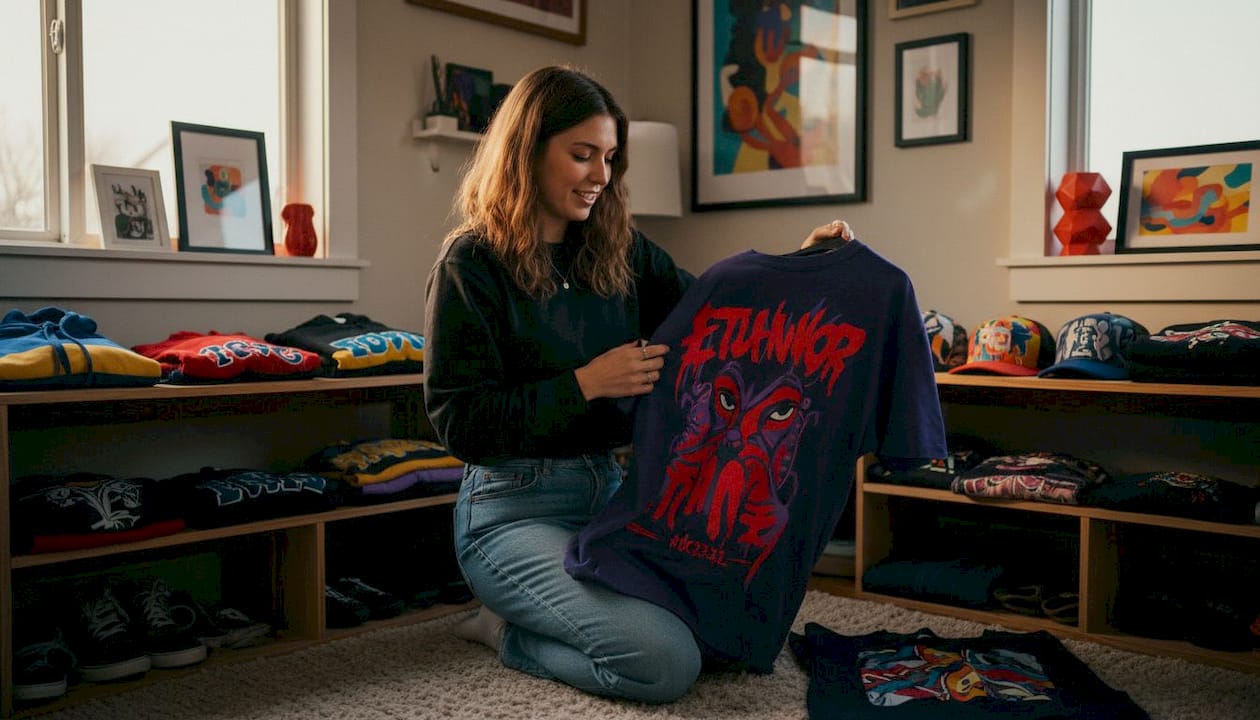
How does fan apparel work as a social signal?
Fan apparel functions as a continuous social signal, while cosplay is event-specific. Fandom fashion trends now include minimalist pins, hoodies, and accessories that fans wear every day, not just at conventions. That daily visibility is what makes fan apparel a more powerful identity tool for most fans.
“Fan merchandise serves as social capital, facilitating belonging and signaling within fandom communities continuously rather than episodically.” The implication is direct: a fandom hoodie worn to a coffee shop does more community-building work over a year than a cosplay worn twice at conventions.
The social advantages of casual fan wear show up in several concrete ways:
- A subtle franchise pin on a work bag signals fandom to fellow fans without alienating colleagues who are not in the community.
- A minimalist film shirt sparks conversations in settings where a full cosplay would be inappropriate.
- Fandom accessories like mugs, beanies, and tote bags extend identity expression into professional and domestic spaces.
Fans treat these purchases as identity investments, not impulse buys. The psychology behind fan merchandise is that wearing your fandom signals group membership and reinforces personal identity simultaneously. Cosplay achieves the same effect at events, but fan apparel achieves it every single day.
The shift toward “fandom fashion” reflects fans’ desire for subtle identity symbols that fit diverse social contexts beyond conventions. That shift is not a retreat from fandom. It is fandom maturing into something sustainable.
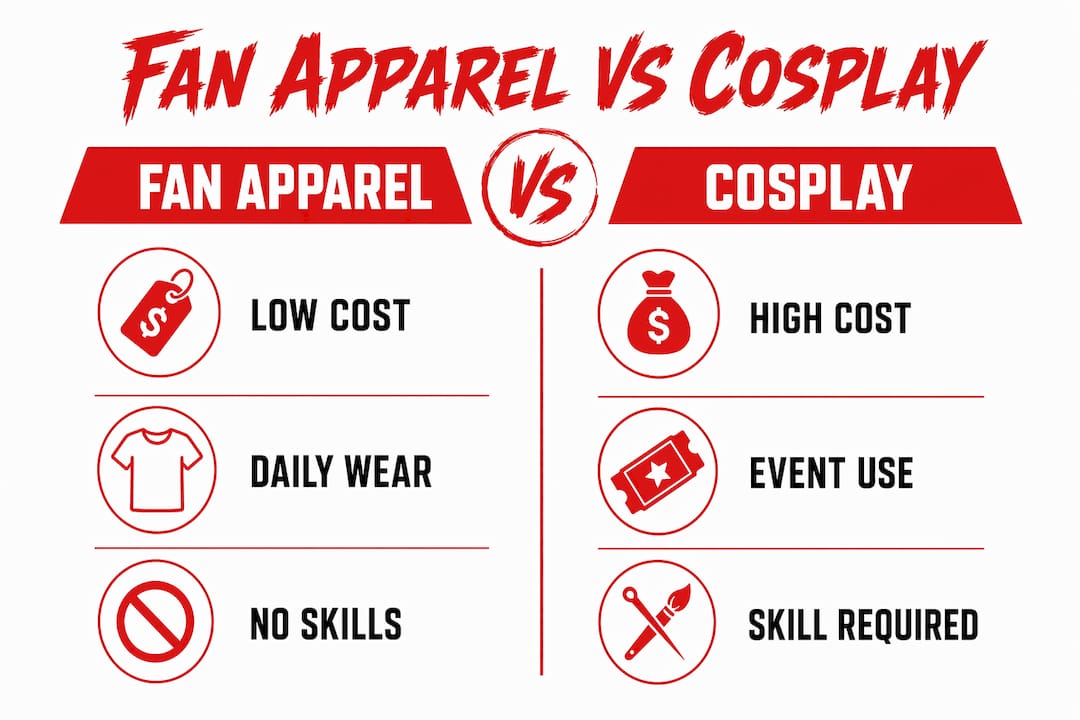
What challenges make cosplay more complex than fan apparel?
Cosplay is defined by screen-accurate character replication, and that standard creates real barriers. The complexity of cosplay includes technical skills, financial investment, and performance pressure that fan apparel simply does not require.
Here are the core cosplay challenges in order of difficulty:
- Technical skill requirements. Most screen-accurate cosplays require sewing, pattern drafting, foam fabrication, or prop construction. These are craft skills that take months or years to develop. A beginner cannot replicate a detailed armor set from a popular franchise without significant practice.
- Material costs. Fabric, foam, thermoplastics, wigs, and finishing materials add up fast. A mid-level cosplay for a recognizable character can cost $200–$500 or more, depending on complexity.
- Time investment. Building a cosplay from scratch takes dozens of hours. Even purchasing a pre-made cosplay requires fitting, alterations, and accessory sourcing.
- Maintenance and storage. Cosplay pieces are fragile. Foam cracks, fabric tears, and wigs tangle. Storing a full cosplay safely requires dedicated space and careful handling.
- Performance pressure. At conventions, cosplayers face authenticity expectations from other fans and photographers. That pressure does not exist when you wear a fandom tee to a movie screening.
Pro Tip: If you want to try cosplay, start with a character whose design is simple and uses everyday clothing as a base. Pair that with fan apparel pieces you already own to reduce cost and build confidence before committing to a full build.
The cosplay learning curve is real, and it deters many fans who would otherwise love to participate in fandom expression. Fan apparel removes every one of these barriers.
How can fans start with fan apparel before trying cosplay?
Fan apparel is the natural entry point for any fan exploring fandom expression. Graphic tees, hoodies, and subtle accessories are the most accessible starting points because they require zero preparation and fit into existing outfits immediately.
Practical strategies for building a fandom wardrobe from scratch:
- Pick one franchise and start with a single graphic tee. Wear it regularly to test how it fits your style before buying more.
- Add a hoodie or crewneck for layering options. A fandom hoodie works in more settings than a bold graphic tee alone.
- Use accessories to add depth. Enamel pins, beanies, and mugs extend your fandom expression without adding bulk to your wardrobe.
- Explore fandom shirt types to find the style that matches your personality, from bold character prints to minimalist logo designs.
- Check style guides for tips on styling graphic tees with different outfits to maximize versatility.
The table below shows how fan apparel and cosplay compare as starting points for fandom expression:
| Factor | Fan apparel | Cosplay |
|---|---|---|
| Starting cost | Low (one tee or hoodie) | High (materials, wig, props) |
| Skills needed | None | Sewing, fabrication, styling |
| Time to wear | Minutes | Hours to days |
| Wearability | Every day | Events only |
| Creative freedom | High (mix and match freely) | Low (accuracy required) |
Quality fan apparel design balances silhouette, fabric performance, and decoration technique to earn a place in regular wardrobe rotation. That balance is what separates a fan piece you wear weekly from a costume that sits in a box. When you find pieces built with that standard, building a fandom wardrobe becomes straightforward and genuinely enjoyable.
The pop culture style guide for 2026 offers over 50 shirt ideas organized by franchise and style, which makes it easy to find a starting point that matches your taste without guessing.
Key Takeaways
Fan apparel is easier than cosplay because it removes every barrier between a fan and daily fandom expression, from cost and skill to comfort and social flexibility.
| Point | Details |
|---|---|
| No skills required | Fan apparel needs zero sewing, fabrication, or styling knowledge to wear. |
| Daily wearability | Graphic tees and hoodies integrate into existing outfits for everyday use. |
| Lower cost | Fan apparel costs a fraction of a full cosplay build with no materials budget. |
| Continuous identity signal | Fan apparel expresses fandom every day, not just at conventions or events. |
| Creative freedom | Fans mix colors, silhouettes, and styles freely without accuracy constraints. |
Why I think fan apparel is the future of fandom expression
The conversation around fan apparel vs cosplay often frames them as competing hobbies. I disagree. They serve different needs, and fan apparel serves the larger audience.
Cosplay is an art form. The skill, dedication, and creativity that serious cosplayers bring to their craft deserve genuine respect. But cosplay has always been a niche within a niche, accessible to fans with specific skills, budgets, and time. Fan apparel is what the rest of fandom actually wears, and it does the same cultural work at a fraction of the cost.
What strikes me most is how fan apparel has matured. The shift toward minimalist fandom fashion, subtle logo tees, and quality hoodies reflects fans who want to carry their identity with them everywhere, not just at events. That is not a lesser form of fandom. It is a more integrated one.
The fans I find most interesting are the ones who wear a well-chosen franchise tee to a job interview, or who have a fandom mug on their desk at work. They are not hiding their interests. They are wearing them in a way that fits their whole life. Fan apparel makes that possible in a way cosplay never will.
— Nicholas
Fan apparel from Mclarenteehub: easy fandom, every day
Mclarenteehub carries pop culture apparel built for fans who want to wear their fandom without the complexity of cosplay.
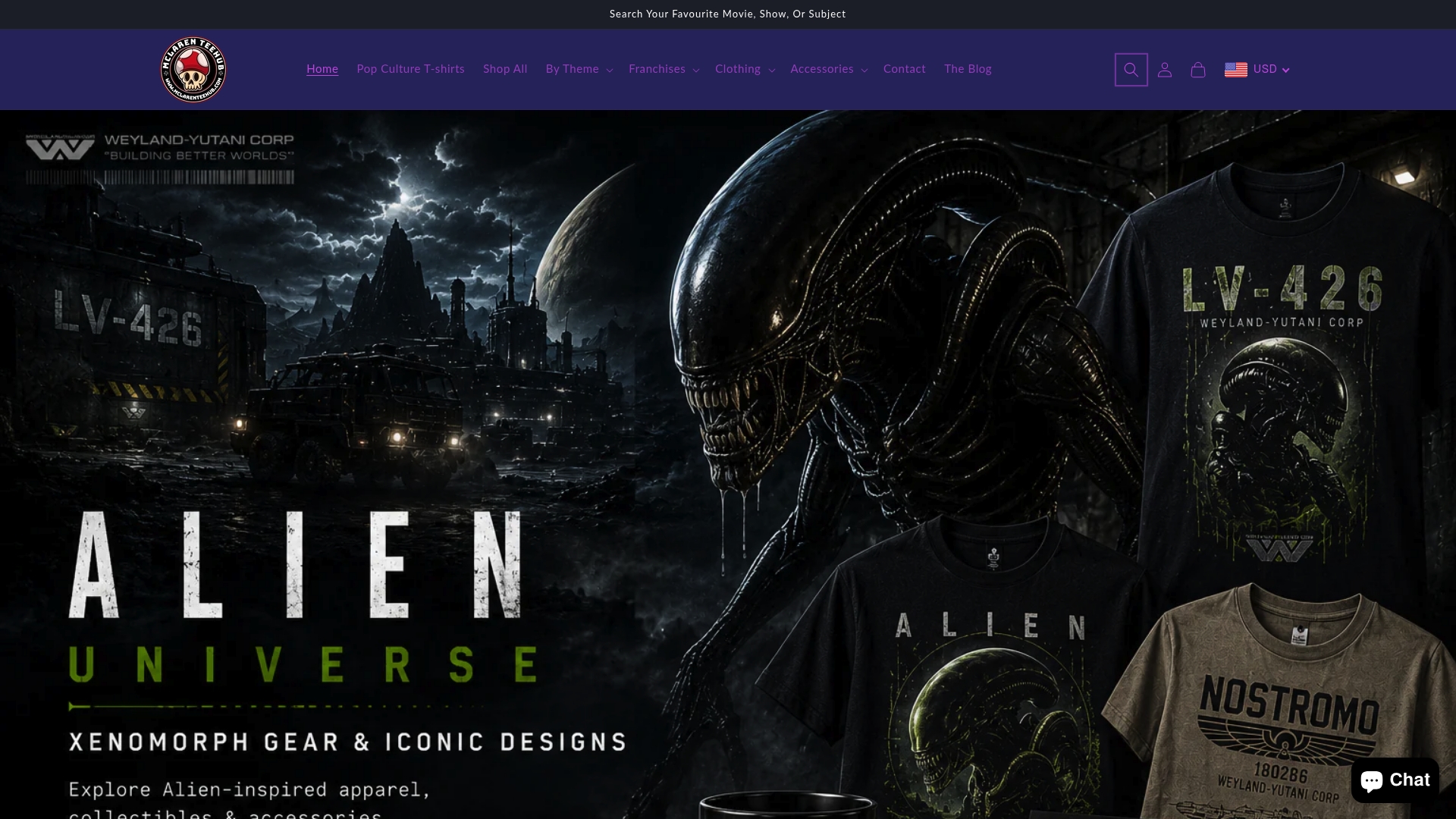
The Pulp Fiction style tee is a strong example of fan apparel done right: bold enough to signal your fandom clearly, comfortable enough to wear anywhere. Mclarenteehub also stocks mugs, hoodies, beanies, and gifts across dozens of franchises, so you can build a fandom wardrobe that works for your actual life. Every piece is designed for regular wear, not storage. Browse the full collection at Mclarenteehub and find the pieces that fit your style from day one.
FAQ
What is the main difference between fan apparel and cosplay?
Fan apparel uses everyday clothing to express fandom identity, while cosplay requires screen-accurate character replication with specialized materials and skills. Fan apparel integrates into daily wear; cosplay is built for specific events.
Is fan apparel cheaper than cosplay?
Fan apparel costs significantly less than cosplay. A quality graphic tee or hoodie requires no materials budget, while a mid-level cosplay build can cost $200–$500 or more in materials alone.
Can fan apparel replace cosplay at conventions?
Fan apparel works at conventions and is widely accepted as a form of fandom expression. It does not replace cosplay as an art form, but it is a practical and respected alternative for fans who prefer comfort over character accuracy.
What are the best fan apparel items for beginners?
Graphic tees, hoodies, and enamel pins are the most accessible starting points. These pieces require no preparation, fit existing outfits, and signal fandom identity clearly in any setting.
Does wearing fan apparel count as participating in fandom culture?
Fan apparel is a recognized form of fandom participation. Fan merchandise functions as social capital that signals community belonging continuously, making it a valid and meaningful way to engage with fandom culture every day.