

Why Iconic Characters Drive Merchandise Sales and Loyalty
TL;DR:
- Iconic characters motivate merchandise sales through genuine emotional connections and cultural recognition.
- Practical, everyday products like apparel and home goods outperform collectibles by fostering regular use.
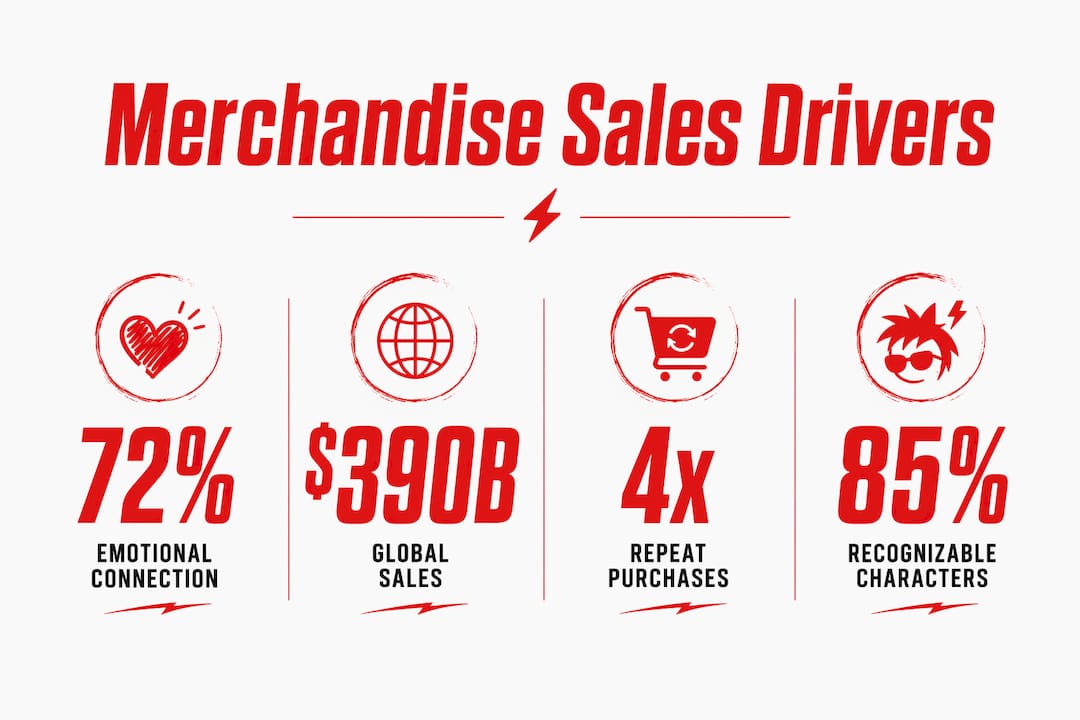
Iconic characters drive merchandise sales because they do something no ad campaign can replicate: they make people feel something real. Disney’s Stitch achieved a significant milestone in consumer product sales in fiscal 2025, not because of a clever marketing push, but because millions of people genuinely love the character. That emotional pull is the engine behind character branding and merchandise, and it explains why the best-selling items are rarely limited-edition collectibles. They are t-shirts, mugs, and hoodies people reach for every single day.
The core mechanics are straightforward:
- Recognition creates instant trust and lowers the barrier to purchase.
- Emotional attachment converts casual fans into repeat buyers.
- Cultural relevance keeps characters commercially viable across decades.
- Lifestyle integration moves merchandise from shelf display to daily use.
Why character recognition drives merchandise appeal
Recognition is the first domino. When a consumer spots a familiar character on a product, the brain skips the evaluation stage and moves straight to desire. Characters function as associative assets, connecting buyers to new products through instant familiarity, which is why a brand-new Stitch-themed water bottle sells on sight while an unknown character’s version sits on the shelf.
Disney’s consumer products chief describes characters as “vibrant, tangible expressions” that keep brands culturally relevant year-round. That language is deliberate. The goal is not a single sales spike at a film release. It is continuous presence across retail, apparel, home goods, and experiences so the character never fully leaves a consumer’s line of sight.
Balancing availability with exclusivity matters here. Flood every discount bin with the same character and the magic fades. Disney manages this through tiered programs: mass-market apparel for casual fans, limited collaborations with fashion and beauty brands for collectors, and park experiences that money alone cannot replicate.
Pro Tip: When a character appears across multiple product categories simultaneously, from bedding to beauty, that cross-category saturation is a deliberate strategy to normalize the character in everyday life, not an accident of licensing.
How emotional connection and nostalgia fuel demand
Nostalgia is not just a warm feeling. It is a purchasing trigger. Characters like Stitch resonate because they are authentically flawed, and that imperfection is exactly what fans connect with. Disney’s chief brand officer Asad Ayaz put it plainly: “He is flawed in ways we all recognize: sometimes being a little naughty, but always trying his best.”
That authenticity converts passive viewers into active buyers. Fans who grew up with Stitch in 2002 are now introducing him to their own kids, creating a multi-generational fanbase that sustains merchandise demand long after a film’s theatrical run ends. The 2025 live-action remake turbocharged that cycle, but the emotional foundation was already two decades deep.
Consumers also buy merchandise to express who they are. A Stitch hoodie is not just apparel. It signals something about the wearer’s values, their sense of humor, their attachment to a story about belonging. That identity function is why emotional drivers consistently outperform visual appeal alone in merchandise purchasing decisions.
Economic impact and shifting consumer merchandise trends
The licensed merchandise industry reached $389.8 billion globally in 2026, with the character and entertainment segment growing 8% to reach $161.8 billion in retail sales. Those numbers reflect a market that has absorbed economic uncertainty without contracting, largely because character-driven products have shifted toward everyday utility.
Ecommerce expert Marty Bauer of Omnisend frames it directly: “In tighter economic conditions, consumers naturally gravitate toward items that deliver ongoing value. Products like drinkware, bedding, and everyday apparel perform better because they can be used repeatedly.” His analysis of blockbuster film merchandise found that the majority of top-selling products fall into everyday use categories like apparel, baby items, and home goods.
Stitch’s $4 billion fiscal 2025 performance is the clearest case study for this shift. The sales surge was not driven by limited-edition figures. It came from consistent, practical merchandise tied to a theatrical release, a streaming presence, and year-round retail programs. Fans were buying products they would actually use, not just display.
How brands sustain character-driven merchandise success
The brands that win long-term treat character merchandise as a program, not a campaign. Disney’s approach, as described by its consumer products leadership, separates theatrical spikes from evergreen demand. Film releases create attention peaks. Evergreen programs, anniversaries, and unexpected collaborations fill the gaps between those peaks.
Key tactics that sustain merchandise success over time:
- Theatrical timing: Product launches aligned with film releases capture peak consumer attention and purchase intent.
- Evergreen programs: Year-round retail presence through seasonal moments, anniversaries, and retailer-specific drops keeps characters visible between releases.
- Cross-category expansion: Moving characters into beauty, fashion, home goods, and fitness reaches fans who would never buy a toy but will buy a Bath & Body Works collaboration.
- Tiered fan targeting: Hardcore collectors get limited runs and premium items. Casual fans get accessible apparel and everyday products. Both segments are served without cannibalizing each other.
- Storytelling continuity: Short-form content, social media, and park experiences extend the narrative between major releases, keeping emotional engagement alive.
What Mclarenteehub sees in pop culture merchandise trends
From where Mclarenteehub sits, the shift in pop culture merchandise is unmistakable. Fans are not shopping for shelf pieces. They want the character on something they wear to work, drink their coffee from, or pull on during a weekend. T-shirts, mugs, and hoodies are the categories that move because they carry the emotional weight of fandom into daily life without requiring a display case.
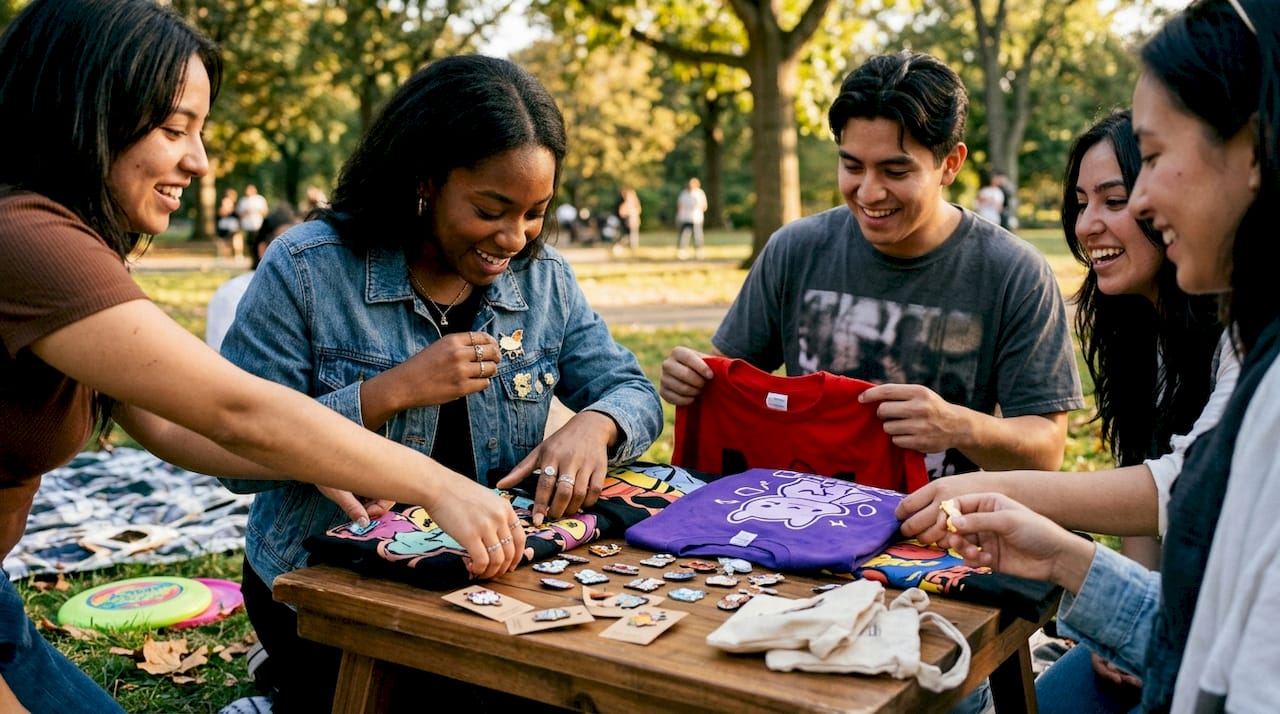
The merchandise that resonates most deeply is the kind which tells a story at a glance. A graphic tee referencing a specific scene, a mug with a line of dialogue that only fans recognize, a hoodie in the exact color palette of a beloved film. These products reward the people who get the reference and signal membership in a community to everyone else.
Fandom culture has also pushed authenticity to the front. Fans can spot generic licensing from a mile away, and they reject it. The products that sell are the ones that feel like they were made by someone who actually loves the source material, not just someone who acquired the rights.
The psychology behind why fans buy character merchandise
The gap between loving a character and buying merchandise is bridged by one thing: the sense that owning the product brings you closer to the character. Psychologically, this is a form of parasocial bonding. Fans develop genuine emotional relationships with fictional characters, and merchandise becomes a physical extension of that relationship.
Characters that tap into stress, identity, and belonging sell merchandise at a different level than characters who are simply entertaining. The Chiikawa phenomenon in Japan illustrates this precisely. The characters’ struggles with unreasonable situations and everyday exhaustion resonate with working adults who see their own lives reflected back at them. Buying the merchandise is not a rational decision. It is an emotional one, often described by fans as a reward for getting through a hard day.
This psychology explains why functional merchandise outperforms pure collectibles in sustained sales. A mug used every morning is a daily reminder of the emotional connection. A figurine on a shelf is not.
Case studies: character merchandise campaigns that worked
Stitch, 2025. The live-action remake of Lilo & Stitch generated significant theatrical revenue and greatly boosted consumer product sales for the fiscal year. The campaign worked because it layered theatrical release, Disney+ streaming, park experiences, and a consistent retail presence into a single flywheel. No single touchpoint drove the number. The system did.
Marvel’s attention economy. Research examining Avengers: Endgame and Spider-Man: No Way Home found that attention peaks from trailers and online discussions, amplified by user-generated content, directly correlated with merchandise sales spikes across toys, apparel, and games. The mechanism is clear: social media buzz is not just awareness. It is a purchase trigger.
Sanrio’s character ecosystem. Hello Kitty’s success across 65 years is built on visual appeal and cultural adaptability, not narrative content. Sanrio’s characters have appeared in collections from Puma, H&M, Zara, and Lush, and a dedicated café in Melbourne generated strong consumer engagement by turning character licensing into a physical experience. The global licensed entertainment market was valued in the hundreds of billions of dollars in 2024, with projections showing notable growth by 2031.
Key Takeaways
Iconic characters drive merchandise because emotional connection, cultural recognition, and daily utility work together to turn fans into consistent buyers.
| Point | Details |
|---|---|
| Emotional connection drives purchases | Nostalgia and identity affirmation consistently outperform visual appeal as purchase motivators. |
| Fiscal 2025 Stitch benchmark | Stitch merchandise surpassed $4 billion in sales in fiscal 2025, driven by theatrical release, streaming, and year-round retail programs. |
| Practical products lead the market | 71% of top-selling film merchandise falls into everyday categories like apparel and home goods, not collectibles. |
| Character/entertainment segment growth | The global character segment reached $161.8 billion in retail sales, growing 8% in 2026. |
| Mclarenteehub’s approach | Mclarenteehub channels this insight into graphic tees, mugs, and hoodies built for fans who want fandom in their daily lives. |
Character merch that actually belongs in your everyday life
The research is clear: the merchandise people keep buying is the kind they actually use. Mclarenteehub is built around exactly that idea. Every product in the store is designed for fans who want their pop culture obsessions on something they reach for every day, not something they dust off once a year.
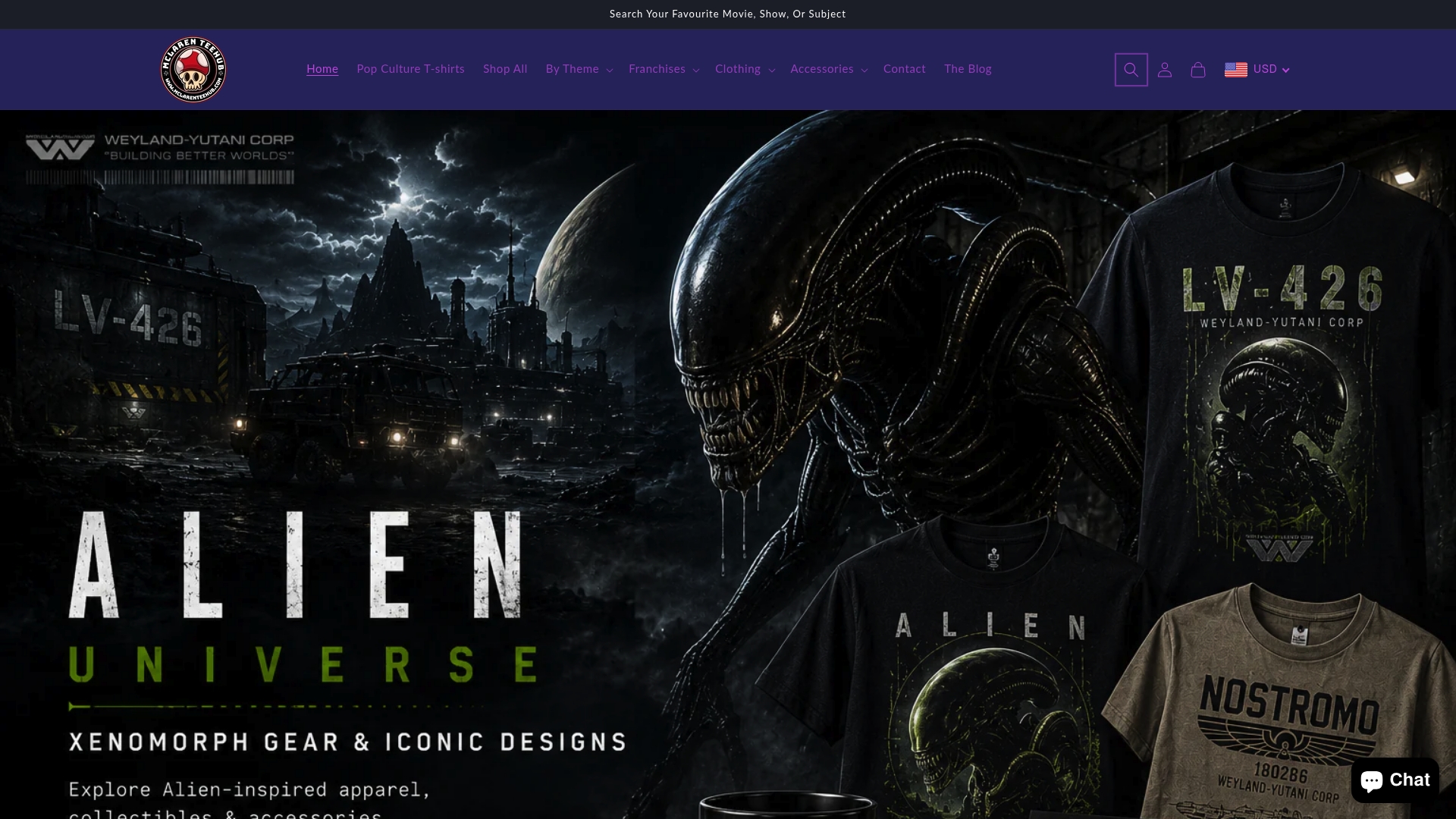
From graphic tees that reward the people who get the reference to movie-themed mugs that make a morning coffee feel like a scene from a favorite film, Mclarenteehub stocks the kind of character merchandise that earns its place in a real wardrobe and a real kitchen. Bold design, authentic fandom, and products that hold up to daily use. Browse the full collection at Mclarenteehub and find the piece that fits your obsession.