

Nostalgia Merchandise: A Retail and Fashion Guide
TL;DR:
- Nostalgia merchandise evokes positive memories of the past, building emotional loyalty among consumers. It relies on authentic cultural references, licensing, and storytelling to differentiate from retro-inspired design. Its current popularity is driven by rapid cultural cycles, especially among Gen Z, who remix past aesthetics for personal expression.
Nostalgia merchandise is any product deliberately designed to trigger positive emotional memories of the past, using familiar cultural symbols, licensed characters, or period-specific aesthetics to create a purchase driven by feeling rather than function. Brands and retailers use it to build emotional loyalty and drive spending that pure novelty rarely achieves. Quick examples of what this looks like in practice:
- Reissued My Little Pony and Care Bears toys and collectibles
- Band T-shirts featuring vintage tour graphics or faded logo treatments
- Y2K-era silhouettes: low-rise jeans, butterfly clips, platform sandals
- Retro-styled home appliances in pastel or chrome finishes
- Licensed throwback packaging on food and beverage products
Table of Contents
- What actually counts as nostalgia merchandise?
- Why nostalgia motivates purchases
- Concrete examples across every major category
- How retailers and fashion brands can use nostalgia merchandise effectively
- Common mistakes that make nostalgia merchandise fall flat
- How different generations experience nostalgia merchandise
- Merchandising templates from Mclarenteehub
- Key Takeaways
- Why nostalgia merchandise matters more than most retailers admit
- Mclarenteehub’s nostalgia-inspired collection
- Useful sources
What actually counts as nostalgia merchandise?
Nostalgia merchandise refers to products, clothing, and collectibles designed to elicit positive memories of the past, using familiar cultural symbols or aesthetics to build an emotional connection with consumers. That definition has a boundary worth understanding: not every item with a vintage look qualifies.
The distinction comes down to three things: intent, provenance, and storytelling. A retro-inspired product borrows the visual language of a past era without claiming any specific cultural origin. Nostalgia merchandise, by contrast, is anchored to a real cultural touchstone — a specific property, era, or shared memory — and it signals that connection through licensing, reissue language, or explicit brand heritage.
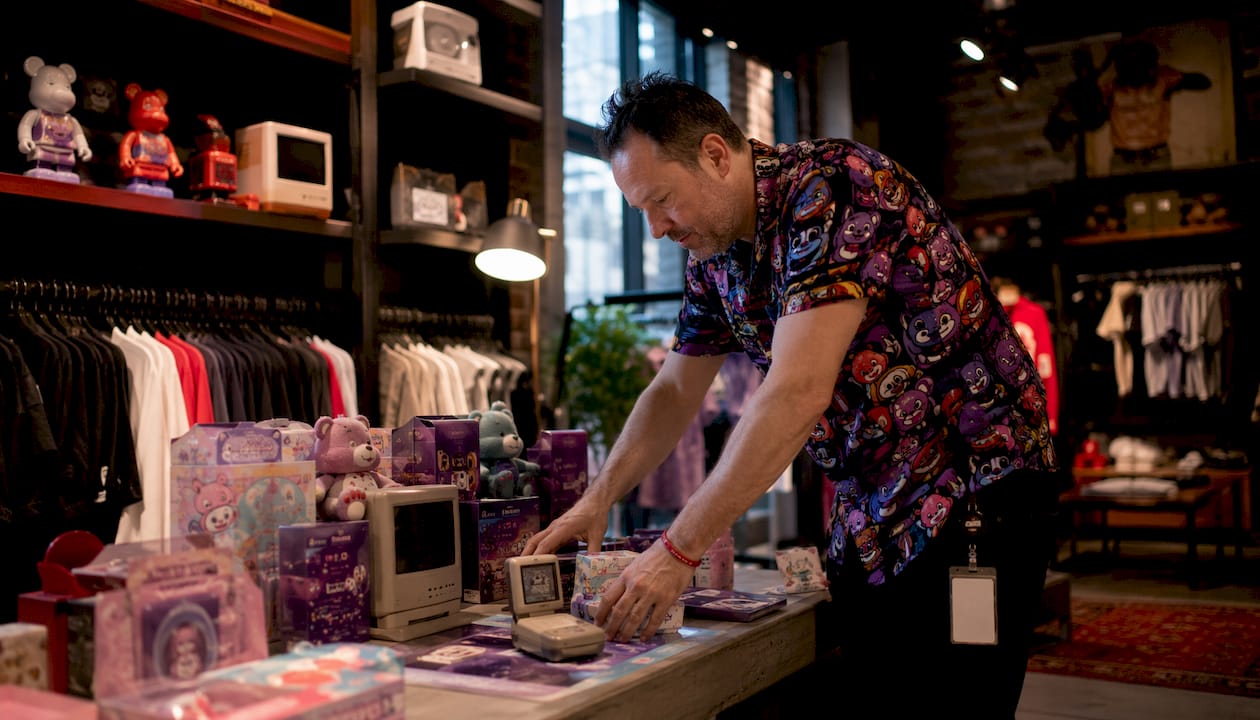
My Little Pony reissues and Care Bears reissues are nostalgia merchandise because they carry the original IP, the original characters, and the original emotional weight of a specific childhood era. A pastel-colored plush toy with no cultural anchor is retro-inspired design. Band T-shirts with original tour dates and artwork are nostalgia merchandise; a generic “vintage rock” tee with no real band is retro style. Y2K-era fashion sits in an interesting middle ground: silhouettes like baggy cargo pants and butterfly-print tops are retro-inspired when produced generically, but become nostalgia merchandise when tied to a specific brand revival or licensed property from that period.
The scope is wide. Nostalgia merchandise spans apparel, collectibles, home goods, packaging, and even experiential retail. What holds it together is the deliberate evocation of a shared past.
Why nostalgia motivates purchases
Nostalgia triggers three things simultaneously: comfort, identity reinforcement, and social bonding. When a product connects to a memory, it feels safe in a way new products cannot replicate. Consumers are more likely to spend on brands that successfully evoke nostalgic feelings, because the emotional ROI feels immediate.
Scholarly research tracing nostalgia from a medical concept to a mainstream consumer emotion shows it influences preference and consumption behavior across categories, triggered not just by imagery but by scent, packaging, and in-store experiences. A whiff of a specific candy, the weight of a particular toy’s packaging, the font on a vintage logo — all of these activate the same emotional circuitry.
Industry analysts have long referenced a 20–30-year nostalgia cycle: the idea that consumers revisit cultural touchstones from roughly two to three decades prior. The 1990s revival of 1960s aesthetics, the 2000s obsession with 1970s style, the current wave of 1990s and early 2000s references — all follow that rhythm. What’s different now is speed.
Pro Tip: When building a nostalgia campaign, lead with a specific cultural touchstone your audience actually lived through — a real character, a real era, a real product. Generic “retro vibes” without a specific anchor read as costume, not memory.
Concrete examples across every major category
Nostalgia consumption appears across product categories, from technology revivals like the Nokia 3310 relaunch and renewed interest in vinyl records to fashion silhouettes pulled directly from early-2000s lookbooks. Social platforms make past aesthetics instantly discoverable and remixable, which accelerates the cycle considerably.
| Category | Why it evokes nostalgia | Retail signal |
|---|---|---|
| Reissued toys (My Little Pony, Care Bears) | Original IP, characters from a specific childhood era | Licensed reissue, original packaging cues |
| Band and vintage-style T-shirts | Tour dates, original artwork, artist association | Official licensing or vintage-wash treatment |
| Y2K apparel silhouettes | Baggy jeans, platform sandals, football jerseys | Era-specific cut, period branding |
| Retro-styled home appliances | Rounded forms, chrome, pastel color palettes | Retro-brand naming, period-design language |
| Licensed re-releases and media tie-ins | Direct IP connection to a film, show, or brand | Official licensing mark, limited-run numbering |
A few specifics worth noting:
- Reissued toys and collectibles often carry original packaging or deliberately aged print treatments to signal authenticity.
- Band tees are the most counterfeited category in nostalgia merchandise; official licensing marks and artist-estate approval matter here.
- Y2K apparel is currently the fastest-moving category in fashion retail, driven by Gen Z’s appetite for early-2000s aesthetics. Brands reviving specific silhouettes like baggy jeans and football jerseys are seeing strong sell-through.
- Retro home appliances — think rounded microwaves in cherry red or mint green — sell on design nostalgia rather than IP licensing.
- Seasonal timing matters: nostalgia-driven reissues and retro packaging tend to perform best around holidays, when emotional resonance is already elevated.
How retailers and fashion brands can use nostalgia merchandise effectively
The single most important move is audience-first research. Before selecting an era or aesthetic, confirm that your core customer actually lived through it or has a documented cultural connection to it. Guessing wrong is expensive.
A practical sequence for retailers:
- Identify your audience’s nostalgia window. Survey customers, review social engagement data, and check which eras drive the most organic conversation in your community.
- Select two or three specific cultural touchstones from that window — a character, a silhouette, a brand — rather than a vague decade.
- Decide on product type. Apparel (especially vintage-style tees) carry the lowest barrier to entry; licensed collectibles require IP agreements.
- Choose edition size deliberately. Limited drops create urgency and signal authenticity. Open-ended runs dilute both.
- Build the story into the packaging and product description. Reference the original era, the cultural moment, the reason this item matters — not just the aesthetic.
- Time releases seasonally. Holiday windows and cultural anniversaries amplify nostalgia’s emotional pull.
- Promote through the right channels. TikTok and Instagram Reels for Gen Z; Facebook groups and email for Millennials and Gen X.
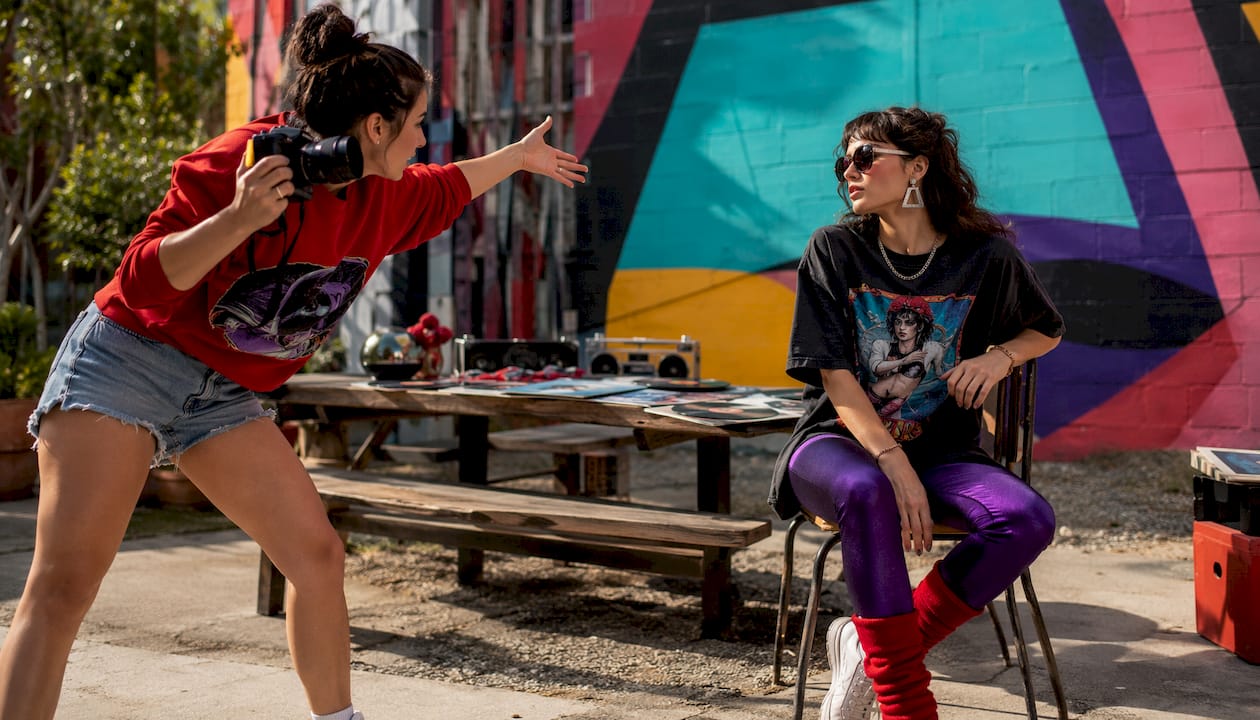
For online merchandising, photography style matters as much as the product itself. Shoot retro items on period-appropriate props, use warm or faded color grading, and pair them with cross-sell items from the same era. A band tee pairs naturally with a retro-style mug; a Y2K jacket pairs with platform sneakers.
Pro Tip: Netflix turned its iconic red envelope into a limited-edition sleeping bag. That’s the template: take a legacy asset your audience already has feelings about and give it a physical form. The product is secondary to the memory it carries.
Common mistakes that make nostalgia merchandise fall flat
Shallow nostalgia backfires fast. Consumers who lived through an era are sensitive to pastiche — they can tell when a brand is borrowing the aesthetic without understanding the culture. That cynicism spreads quickly on social media.
The most common mistakes:
- Pastiche without story. Slapping a retro font on a product with no cultural connection is costume, not nostalgia.
- Mismatching product and audience. A 1980s aesthetic marketed to Gen Z without any remix or reinterpretation reads as a history lesson, not a cultural moment.
- Assuming licensing is optional. Using a character, logo, or artwork without proper IP clearance creates legal exposure and damages brand credibility when it surfaces.
- Over-relying on the trend. Nostalgia merchandise works as part of a product mix, not as an entire identity. Brands that pivot entirely to retro can alienate customers who came for something current.
Authenticity checklist for retailers:
- Does this touchstone genuinely connect to your brand’s history or your customer’s lived experience?
- Is the quality of materials consistent with the emotional premium the product commands?
- Have you cleared IP rights, or is this an inspired design with no licensed claim?
- Does your storytelling explain why this item matters, not just what era it references?
- Have you tested the concept with a small community before a full run?
Pro Tip: Community validation before a full launch is the single best risk-reduction tool in nostalgia merchandising. A small pre-order or a social poll costs almost nothing and tells you whether the emotional connection is real or assumed.
How different generations experience nostalgia merchandise
Generational nostalgia windows are distinct, and merchandising that ignores the difference tends to miss both audiences it was trying to reach.
- Gen X (born roughly 1965–1980) gravitates toward 1970s and 1980s touchstones: original Star Wars merchandise, early video game aesthetics, classic rock band tees. They respond to quality and authenticity signals over hype.
- Millennials (born roughly 1981–1996) are in the sweet spot of the traditional 20–30-year cycle right now. 1990s and early 2000s properties — Tamagotchis, early Pixar, Y2K fashion — land with this group as genuine memory, not irony.
- Gen Z (born roughly 1997–2012) engages with nostalgia differently. The “nowstalgia” trend shortens the traditional cycle: Gen Z is reviving early-2000s aesthetics they barely lived through, often remixing them with current references rather than replicating them. Social sharing and remix culture mean younger audiences adopt past aesthetics playfully, creating new meanings rather than simply replicating the original.
For retail, this means product sizing and storytelling angle differ by cohort. Gen X wants provenance and quality. Millennials want the specific memory, faithfully rendered. Gen Z wants the aesthetic as raw material for their own expression. Fandom dynamics amplify all three, but especially Gen Z’s remix behavior.
Merchandising templates from Mclarenteehub
Mclarenteehub’s experience with pop-culture apparel and gifts points to three product description templates that consistently perform across nostalgia categories:
- Reissue template: “The [product name] is back — same [original design element], same [era-specific detail], officially licensed and limited to [X] units. If you had one in [decade], you know exactly why this matters.”
- Retro-inspired template: “Designed in the spirit of [era], the [product name] pulls [specific aesthetic element] from [decade] and builds it for today. No license, no reissue — just the feeling, done right.”
- Licensed throwback template: “Officially licensed [character/brand], rendered in [specific treatment]. This is the [product type] for people who grew up with [property] and want something that respects the original.”
Merchandising checklist:
- Place nostalgia items at eye level or in dedicated “throwback” zones, not mixed into general stock
- Use storytelling tags that reference the original era and cultural context
- Number limited runs visibly on packaging (“No. 47 of 200”)
- Cross-sell within the same era: a retro tee next to a retro mug, a licensed toy next to its era’s apparel
Pro Tip: Iconic characters drive merchandise loyalty in ways generic designs cannot. If you can anchor a product to a specific character or property, do it — the emotional specificity is what converts browsers into buyers.
Key Takeaways
Nostalgia merchandise sells because it converts a shared emotional memory into a physical object, and that transaction carries a premium that purely functional products rarely command.
| Point | Details |
|---|---|
| Core definition | Nostalgia merchandise uses licensed IP, cultural touchstones, or period aesthetics to trigger emotional memory, not just visual style. |
| Why it works | Consumers spend more when nostalgia is authentically evoked; the effect spans scent, packaging, and in-store experience, not just imagery. |
| Fastest-moving category | Y2K and early-2000s apparel is currently the highest-velocity nostalgia segment, driven by Gen Z’s nowstalgia behavior. |
| Top merchandising move | Build storytelling into packaging and product descriptions; reference the specific era and cultural moment, not just the look. |
| Mclarenteehub | Offers retro graphic tees, mugs, and pop-culture gifts that apply these nostalgia principles across licensed and retro-inspired categories. |
Why nostalgia merchandise matters more than most retailers admit
The conventional retail wisdom treats nostalgia merchandise as a trend play: ride the wave, move on. That framing misses what actually makes it work. The brands that get lasting results from nostalgia are the ones that treat it as a relationship tool, not a revenue tactic. When a customer buys a Care Bears reissue or a band tee from a tour they attended, they are not buying a product. They are buying proof that their memory is real and shared. That is a fundamentally different transaction, and it demands a different kind of care.
What most retailers underestimate is the cynicism risk. Consumers who lived through an era are the most discerning audience you will ever face. They know when the font is wrong, when the colorway is off, when the licensing is missing. Getting it right builds loyalty that outlasts any single product cycle. Getting it wrong, publicly, on social media, is a reputational problem that takes years to undo.
The other thing worth saying plainly: Gen Z’s relationship with nostalgia is not the same as Millennials’. Gen Z did not live through Y2K — they are remixing it. That distinction matters for how you merchandise, how you photograph, and how you write product copy. A Millennial wants fidelity. A Gen Z customer wants permission to make it their own.
Mclarenteehub’s nostalgia-inspired collection
If the categories above sound like exactly what you’ve been looking for, Mclarenteehub stocks a curated range of pop-culture tees, retro graphic mugs, hoodies, and gifts built around the same principles this article covers: specific cultural touchstones, quality materials, and designs that feel like a memory rather than a costume.
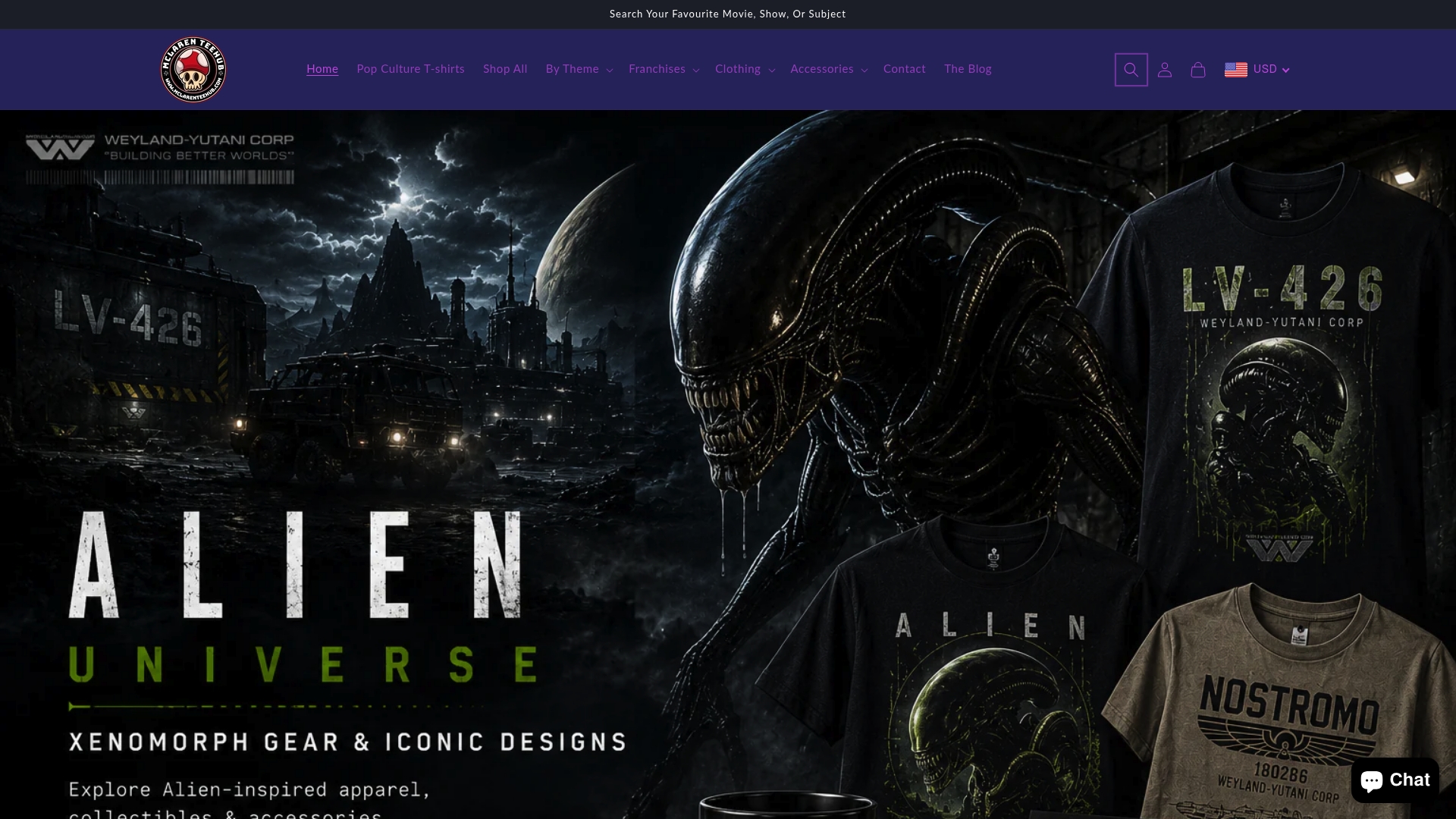
The Brainwashed retro graphic mug is a good example of what that looks like in practice: bold, era-specific graphic treatment on a black gloss finish, designed for people who want their everyday objects to carry some personality. Browse the full store at mclarenteehub.com to see the current nostalgia-inspired range, including vintage-style apparel and limited pop-culture gifts.
Useful sources
- TechTarget: Nostalgia marketing explained — core definition of nostalgia merchandise and consumer spending behavior.
- BBC Worklife: Nowstalgia — explains the 20–30-year nostalgia cycle, Gen Z’s nowstalgia behavior, and seasonal timing tactics.
- Forbes: The Power and Perils of Nostalgia Marketing — commercial case studies (Motorola Razr revival, brand authenticity warnings) and pitfalls.
- Carleton University: What Was Old Is New Again — academic review of nostalgia as a buying motive, including multisensory triggers.
- Wikipedia: Nostalgia consumption — cross-category overview including technology revivals and social media’s role in accelerating nostalgia cycles.
Recommended
- Why Iconic Characters Drive Merchandise Sales and Loyalty – McLaren Tee Hub
- What Is Pop Culture Merchandise? A Collector’s Guide – McLaren Tee Hub
- The Ultimate 90s Cartoons Guide: Reliving the Golden Age of Animation – McLaren Tee Hub
- Retro Movie Apparel: The High-Octane Buying Guide for 2026 – McLaren Tee Hub